How to Become a Medical Assistant
How to Become a Medical Assistant
Becoming a medical assistant is an appealing career choice for many individuals interested in the healthcare field. A medical assistant plays a crucial role in various healthcare settings, including hospitals, clinics, and private practices. This position serves as a bridge between patients and healthcare providers, ensuring that the administrative and clinical operations run smoothly. The importance of medical assistants cannot be overstated, as they help to improve patient care and enhance the efficiency of medical practices.
The role of a medical assistant can vary significantly depending on the specific healthcare environment. In some cases, they may perform clinical duties such as taking vital signs, assisting with examinations, and administering medications. In other situations, they may focus on administrative tasks, including managing patient records, scheduling appointments, and handling billing.
Regardless of the specific duties, medical assistants are essential in maintaining a high standard of patient care and operational efficiency within healthcare facilities.
Skills and qualities that are vital for the role
Communication skills are paramount, as medical assistants interact with patients, families, and healthcare professionals daily. They must be able to convey information clearly and compassionately, ensuring that patients understand their care and treatment plans. Additionally, strong interpersonal skills help build rapport with patients, which can enhance their overall experience in a healthcare setting.
Attention to detail is another critical skill for medical assistants. The role often involves managing sensitive patient information, ensuring accurate documentation, and adhering to strict protocols. For instance, when preparing medications or entering patient data into electronic health records, a medical assistant must be meticulous to avoid errors that could impact patient safety.
Technical proficiency is also important, as medical assistants may need to operate medical equipment and use various software.
Finally, empathy and a strong sense of patient care are essential qualities, allowing medical assistants to support patients emotionally and physically during their healthcare journey.
Educational pathways
The educational pathways to becoming a medical assistant can vary, but a high — diploma or equivalent is typically the minimum requirement. Many aspiring medical assistants choose to pursue post-secondary education through vocational or community, where they can receive formal training in medical assisting. These often cover essential topics, including anatomy, medical terminology, and patient care techniques, providing students with the foundational knowledge necessary for the role.
Certification options are also available and can enhance a candidate’s job prospects. Many employers prefer or require certification from recognized organizations, which demonstrates a level of professional competence. Additionally, continuing education opportunities allow medical assistants to stay current with industry changes and advancements. Pursuing further training or specialization can lead to greater career opportunities and increased earning potential in the long term.
Gaining experience in the healthcare field
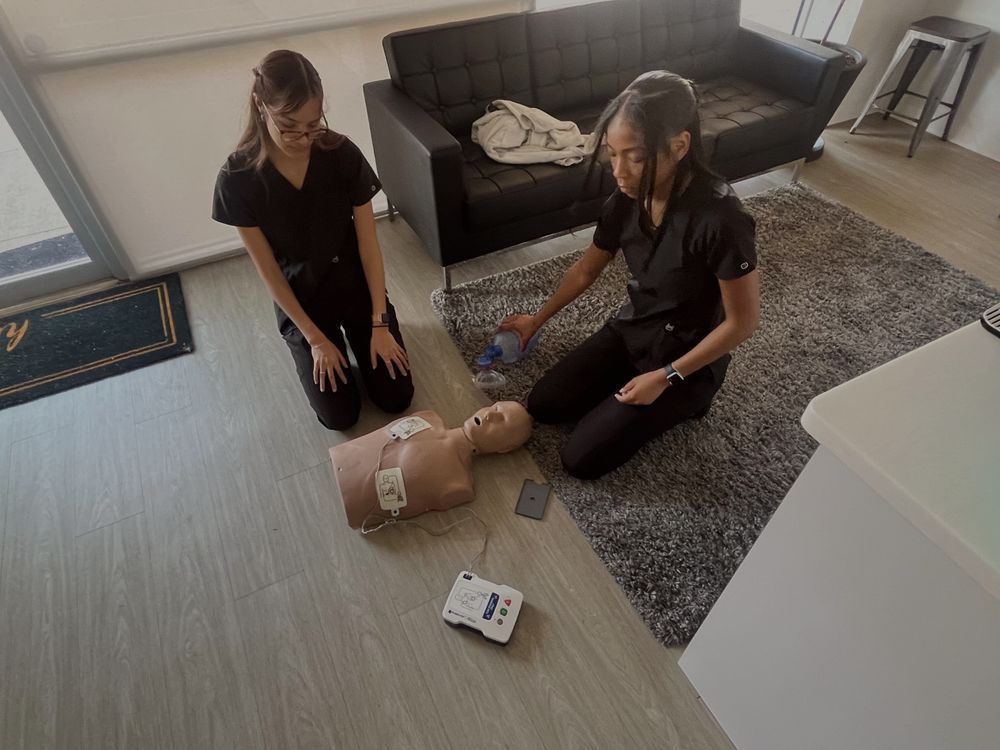
This is a crucial step in becoming a medical assistant. Internships and externships provide valuable hands-on training, allowing individuals to apply their classroom knowledge in real-world settings.
These experiences not only enhance practical skills but also offer insights into the daily responsibilities of a medical assistant. Furthermore, many incorporate internship opportunities as part of their curriculum, ensuring that students are adequately prepared for the workforce.
Volunteering in healthcare settings can also be beneficial for those aspiring to become medical assistants. Volunteering allows individuals to gain exposure to the healthcare environment, develop essential skills, and build a network of professional contacts. Networking within healthcare can open doors for job opportunities and mentorship, providing further guidance and support in one’s career journey.
Engaging with professionals in the field can also lead to insights about the various paths available within medical assisting, allowing individuals to make informed decisions about their future.
Job responsibilities
The job responsibilities of a medical assistant can be broadly categorized into administrative tasks, clinical duties, and patient interaction. Administrative tasks often involve managing patient records, scheduling appointments, and processing insurance claims. Medical assistants must be organized and efficient, as these tasks are critical for the smooth operation of a medical facility. For example, accurately scheduling patient appointments ensures that healthcare providers can see patients promptly, thereby improving overall patient satisfaction.
Clinical duties may include taking vital signs, preparing patients for examinations, and assisting physicians during procedures. Medical assistants are often the first point of contact for patients, making it essential for them to provide a welcoming and supportive environment. Patient interaction and support are vital components of the role, as medical assistants often address patient concerns and provide education about procedures and treatments. Building strong relationships with patients can significantly impact their experience and overall satisfaction with the care they receive.
Career outlook
The career outlook for medical assistants is promising, with job growth projections indicating a strong demand for qualified professionals in the coming years. According to industry reports, the employment of medical assistants is expected to grow significantly, driven by an aging population and the increasing demand for healthcare services. This trend suggests that individuals seeking a career as a medical assistant can expect a variety of job opportunities across different healthcare settings.
Medical assistants can find work in diverse environments, including hospitals, outpatient care centers, and private practices. Each setting may offer unique experiences and responsibilities, allowing professionals to tailor their careers based on their interests. Furthermore, there are potential avenues for career advancement within the field. Medical assistants may choose to specialize in areas such as pediatrics or geriatrics or pursue further education to become office managers or healthcare administrators. These options provide a pathway for professional growth and development.
Frequently Asked Questions
Q: What skills are important for a medical assistant? A: Communication, attention to detail, and technical proficiency are essential.
Q: What are the typical duties of a medical assistant? A: Duties can include administrative tasks, clinical duties, and patient interaction.
Q: Is certification necessary to work as a medical assistant? A: While not always required, certification can enhance job prospects and credibility.
Q: What is the job outlook for medical assistants? A: The job outlook is positive, with projected growth in the field.
You're only a few months from the medical assistant career you deserve.