How to Become an Ophthalmic Medical Assistant_ Job Duties & Pay

How to Become an Ophthalmic Medical Assistant: Job Duties & Pay
Choosing a healthcare career doesn’t always require years of medical school or expensive degrees. In fact, some of the most specialized and impactful roles in medicine can be reached in under a year—including becoming an ophthalmic medical assistant. These are the professionals who work closely with ophthalmologists, support patient care, conduct eye-related diagnostic tests, and help people maintain or restore their vision. If you enjoy hands-on clinical work, want a meaningful patient-facing role, and find eye health fascinating, this career might be a perfect fit.
Ophthalmic medical assisting is growing quickly as the population ages and eye care needs increase. With expanded access to eye health services and greater demand for vision screenings, medical testing, and outpatient eye procedures, trained professionals who can support ophthalmologists are more essential than ever. Below, you’ll learn what ophthalmic medical assistants do, how to become one, which skills matter most, and what you can expect in terms of salary and career growth.
What Does an Ophthalmic Medical Assistant Do?
What Does an Ophthalmic Medical Assistant Do? Ophthalmic medical assistants work directly with eye doctors (ophthalmologists) to provide clinical support, assist during exams, and perform specialized testing. While their work shares similarities with general medical assistants, ophthalmic assistants receive additional training in eye anatomy, vision testing, and ophthalmologic procedures.
Here are some of the most common job responsibilities.
Prepare Patients for Exams
The very first step in an eye appointment is usually handled by the ophthalmic medical assistant. They help patients feel comfortable, gather health information, and prepare them for the doctor’s exam.
This often involves:
Reviewing patient medical histories
Asking about vision changes or symptoms
Documenting medications and allergies
Recording preliminary vital signs
Explaining what to expect during the exam
Because many patients experience anxiety when it comes to vision problems, strong communication and empathy are crucial in this part of the job.
Conduct Vision and Eye Function Tests
Ophthalmic medical assistants are trained to perform specialized tests to help the ophthalmologist diagnose and treat eye conditions. These tests provide key information before the doctor even begins the exam.
Common tasks include:
Common tasks include:
Visual acuity tests (reading eye charts)
Color vision screening
Depth perception assessments
Eye pressure measurement (tonometry)
Refraction tests
Pupil dilation under physician direction
These tests must be completed accurately, as they play an essential role in diagnosing issues like glaucoma, cataracts, or retinal problems.
Assist Ophthalmologists During Procedures
Many ophthalmologists perform in-office procedures, and ophthalmic medical assistants often provide support throughout the process.
Responsibilities may include:
Setting up instruments
Positioning patients
Handing tools to the physician
Maintaining a sterile environment
Documenting procedure details
If you enjoy fast-paced, hands-on healthcare environments, this part of the job can be especially rewarding.
Educate Patients on Eye Care and Medications
After exams or procedures, ophthalmic medical assistants help explain follow-up care instructions. They may teach patients:
How to use prescription eye drops
How to use prescription eye drops
Post-procedure care steps
How to manage chronic conditions like glaucoma
How to manage chronic conditions like glaucoma
Proper cleaning habits for contact lenses
Clear patient education is essential because proper eye care has a direct impact on vision health and recovery.
Handle Administrative and Clinical Tasks
Like general medical assistants, ophthalmic medical assistants support the efficiency of the clinic through administrative work.
Some routine responsibilities include:
Scheduling appointments
Maintaining patient records
Coding and billing support
Preparing exam rooms
Preparing exam rooms Managing sterile supplies and equipment
Because ophthalmology offices often see high patient volumes, strong organizational skills are important.
How to Become an Ophthalmic Medical Assistant
How to Become an Ophthalmic Medical Assistant There are a few different paths into this career, but most aspiring ophthalmic medical assistants start with general medical assistant training. From there, you can build additional ophthalmology-specific skills through on-the-job experience or certification.
Here’s a step-by-step overview of how to enter the field.
Step 1: Complete a Medical Assistant Training Program
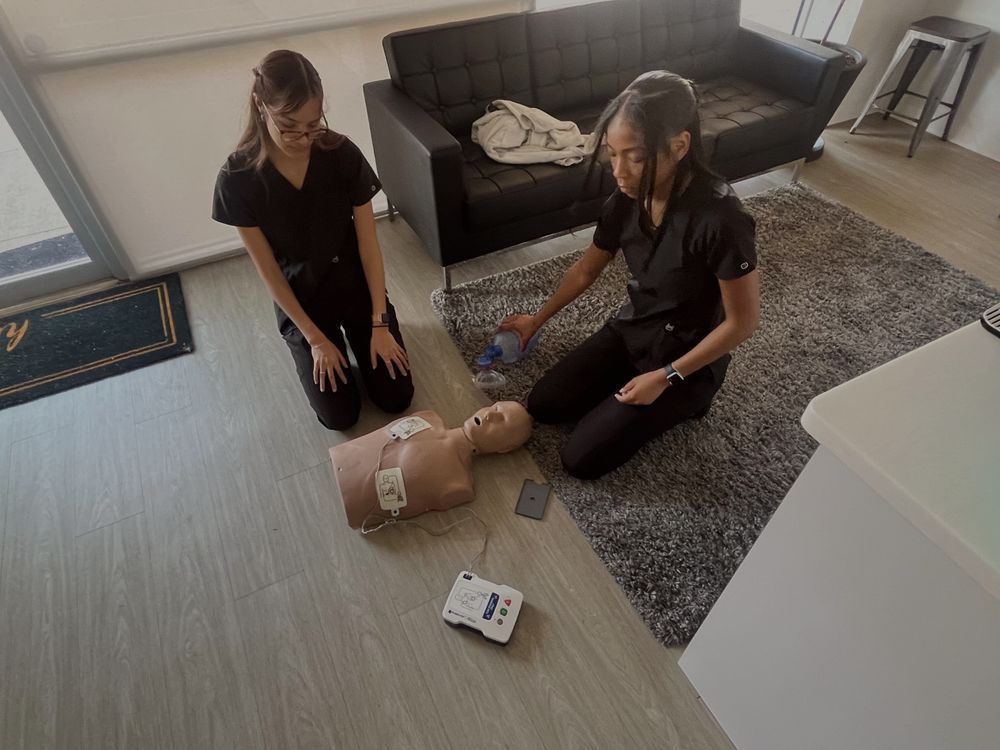
While some clinics train ophthalmic assistants on the job, most employers prefer candidates who have already completed a formal medical assistant program. This training gives you a strong foundation in patient care, clinical procedures, anatomy, pharmacology, and medical terminology.
A good program will include:
Online coursework for flexibility
In-person hands-on labs
Real-world clinical training
Preparation for certification
Medical assistant programs can typically be completed in under a year, with some accelerated tracks as short as 16 weeks.
Step 2: Gain Clinical Experience
Once you have medical assistant training, the next step is gaining experience in a healthcare setting. Many students complete externships during their program, which helps them:
Build confidence
Practice clinical skills
Learn patient communication
Understand workflow in real clinics
Some medical assistants begin their careers in general practice or urgent care clinics, then transition into ophthalmology later. Others begin in eye care clinics from day one.
Step 3: Train in Ophthalmic Procedures On the Job
Many ophthalmology practices offer on-the-job training for new hires. During this training, you’ll learn:
How to operate specialized ophthalmic equipment
How to operate specialized ophthalmic equipment
Office-specific procedures for patient testing
How to support the ophthalmologist during exams
How to support the ophthalmologist during exams
Proper documentation for eye care visits
Because eye care is a highly specialized field, hands-on training is essential.
Step 4: Consider Certification
While certification is not always required, becoming a Certified Ophthalmic Assistant (COA) can help you stand out to employers and increase earning potential. Certifications are offered by organizations such as the Joint Commission on Allied Health Personnel in Ophthalmology (JCAHPO).
Certification may require:
Proof of medical training
A passing exam score
Clinical experience
Many employers encourage or reimburse certification to help their assistants grow professionally.
Step 5: Continue Growing Your Skills
After gaining experience, some ophthalmic medical assistants advance to higher-level roles such as:
Certified Ophthalmic Technician (COT)
Certified Ophthalmic Medical Technologist (COMT)
Ophthalmic scribe
Office manager or clinic coordinator
These roles may involve more complex patient testing, assisting in surgery, or supervising clinical staff.
Skills Needed to Succeed as an Ophthalmic Medical Assistant
Skills Needed to Succeed as an Ophthalmic Medical Assistant While many skills are learned through training and experience, some qualities make a strong ophthalmic medical assistant right from the start.
Attention to Detail
Vision tests must be performed with precision, and even minor errors can affect diagnosis.
Comfort With Technology
Much of the job involves operating diagnostic equipment and electronic health records.
Much of the job involves operating diagnostic equipment and electronic health records. Communication Skills
You’ll explain procedures, guide patients through tests, and provide education.
Compassion and Patience
Some patients have anxiety about eye care or difficulty performing tests due to age or medical conditions.
Teamwork
Ophthalmic assistants work closely with ophthalmologists, optometrists, technicians, and administrative staff.
Manual Dexterity
Handling delicate instruments and assisting during procedures requires steady hands.
Handling delicate instruments and assisting during procedures requires steady hands. Where Ophthalmic Medical Assistants Work
Ophthalmic medical assistants work in a variety of settings, including:
Ophthalmology clinics
Outpatient surgery centers
Eye specialty hospitals
Vision care departments within large health systems
Refractive surgery centers (LASIK, cataract services)
Research facilities focused on eye diseases
These settings typically keep regular business hours, making this career appealing to those who want predictable schedules rather than overnight shifts.
These settings typically keep regular business hours, making this career appealing to those who want predictable schedules rather than overnight shifts.
How Much Do Ophthalmic Medical Assistants Make?
How Much Do Ophthalmic Medical Assistants Make? Pay varies depending on location, experience, certifications, and employer type, but ophthalmic medical assistants generally earn more than general medical assistants due to their specialized skills.
Average Salary Range
Most ophthalmic medical assistants earn between $38,000 and $52,000 per year.
Entry-Level Pay
New graduates and those without certification typically start around $34,000–$38,000.
Experienced Pay
With several years of experience or certification, salaries can increase to $50,000–$60,000+.
Top-Paying Factors
You may earn more if you:
Work in a surgical center
Assist with high-volume patient testing
Hold a COA, COT, or COMT certification
Take on training, scribing, or supervisory duties
Eye care is a field with strong long-term growth, so salaries continue trending upward as demand increases.
Job Outlook and Career Growth
Job Outlook and Career Growth
The demand for ophthalmic medical assistants is rising quickly. Several factors contribute to this growth:
The demand for ophthalmic medical assistants is rising quickly. Several factors contribute to this growth:
Aging population experiencing more vision issues
Advances in eye care technology requiring trained clinical support
Higher demand for outpatient procedures, such as cataract surgery
More patients needing regular vision screenings
This means excellent job stability, faster hiring timelines, and opportunities to grow into advanced roles.
Is Ophthalmic Medical Assisting Right for You?
This career might be a great fit if you:
This career might be a great fit if you:
Enjoy working directly with patients
Like hands-on diagnostic testing
Want a healthcare job without long-term schooling
Prefer a specialized clinical field
Are interested in eye anatomy and vision care
It’s a rewarding role that blends clinical skill, patient interaction, and real impact. For many people, it also serves as a stepping-stone into other eye care careers, such as ophthalmic technician, medical technologist, scribe, or even optometry.
Start Your Path With Pulse Medical Assistant School
Start Your Path With Pulse Medical Assistant School Becoming an ophthalmic medical assistant is an excellent way to start a healthcare career in a growing, specialized, and meaningful field. With the right training, hands-on experience, and commitment to learning, you can build a stable career helping patients protect one of their most important senses—their vision.
If you’re excited by the idea of joining a specialty that blends patient care with advanced clinical skills, ophthalmic medical assisting offers a clear path forward.
If you’re ready to begin a healthcare career that can lead to ophthalmic medical assisting and other high-growth specialties, Pulse Medical Assistant School can help you take the first step. Pulse is an online-first, 16-week medical assistant program that includes intensive, in-person labs so students gain the hands-on experience and confidence needed to help real patients receive real care. It’s the ideal foundation for anyone who wants to enter the field quickly while still gaining strong clinical skills.
You're only a few months from the medical assistant career you deserve.