How to Build a Medical Assistant Portfolio or Achievement Tracker
How to Build a Medical Assistant Portfolio or Achievement Tracker
Building a successful career as a medical assistant goes beyond completing training and landing a first job. As the healthcare field becomes more competitive and performance-driven, employers increasingly value candidates who can clearly demonstrate their skills, accomplishments, and professional growth. A medical assistant portfolio or achievement tracker gives you a tangible way to showcase what you bring to a clinical setting—well beyond what a resume alone can capture.
Whether you’re a student, a recent graduate, or an experienced medical assistant looking to advance, a portfolio helps you document progress, highlight competencies, and reflect on real-world experiences. It also serves as a confidence-building tool, allowing you to see how far you’ve come and where you want to grow next. Below are five practical ways to build a medical assistant portfolio or achievement tracker that supports long-term career success.
Document Clinical Skills and Hands-On Competencies
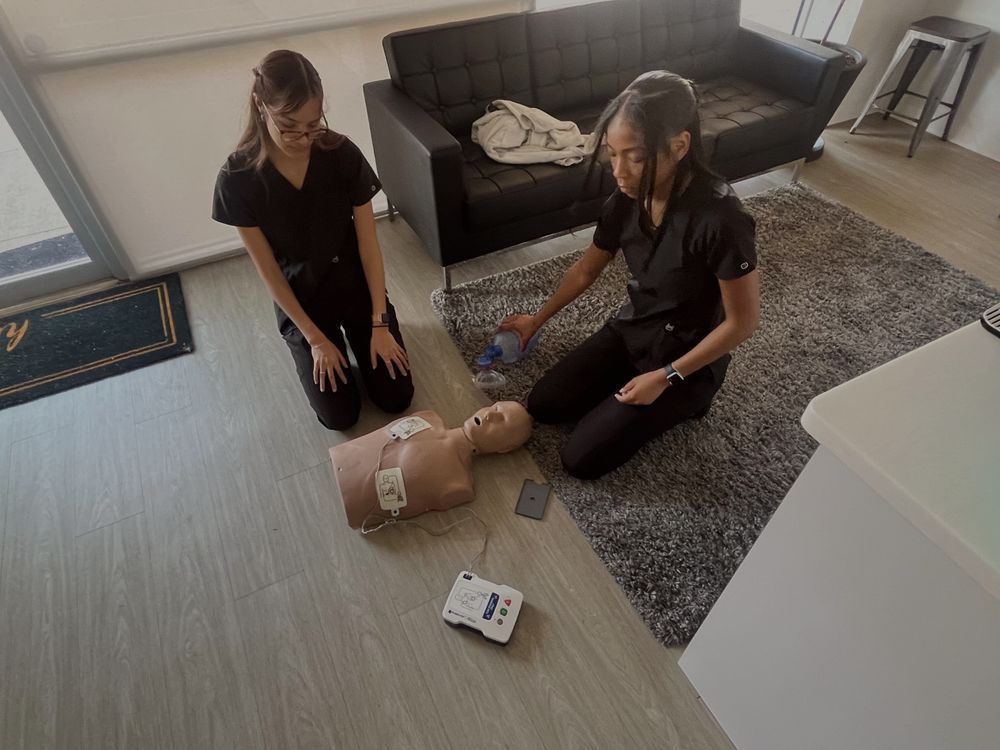
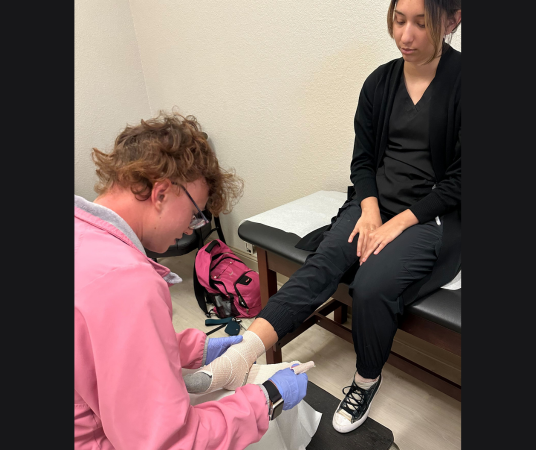
One of the most important components of a medical assistant portfolio is a clear record of your clinical skills. Employers want to know not just what you’ve learned, but what you can actually do in a patient care environment. Your portfolio should include a detailed list of hands-on competencies you’ve practiced and mastered during training, labs, externships, or on-the-job experience.
Start by organizing your skills into categories such as patient care, clinical procedures, administrative tasks, and technology. Examples might include taking vital signs, performing EKGs, administering injections, preparing exam rooms, managing electronic health records, or assisting with minor procedures. For each skill, note where you learned it, how often you’ve practiced it, and whether you performed it independently or under supervision.
If possible, include verification or sign-offs from instructors, preceptors, or supervisors. This adds credibility and shows that your skills have been observed and evaluated in real settings. Over time, updating this section helps you track growth and ensures you’re prepared to discuss your capabilities confidently during interviews or performance reviews.
Track Certifications, Training, and Continuing Education
A strong medical assistant portfolio clearly reflects your commitment to professional development. Healthcare is constantly evolving, and employers value medical assistants who stay current through ongoing training and certification. Your achievement tracker should include a dedicated section for credentials and educational milestones.
Document your medical assistant training program, including completion dates, relevant coursework, and any honors or distinctions. List certifications such as CPR/BLS, clinical certifications, or specialty training you’ve completed. If you participate in workshops, online modules, or employer-sponsored training, include those as well—even if they’re short-term or optional.
For each item, note what skills or knowledge you gained and how it applies to patient care or clinic operations. This transforms a simple list of credentials into a narrative of professional growth. Over time, this record becomes especially useful when applying for new roles, requesting expanded responsibilities, or preparing for leadership opportunities within a healthcare setting.
Record Measurable Achievements and Workplace Contributions
Beyond skills and certifications, employers want to see how you’ve made a difference in the workplace. An achievement tracker allows you to document specific contributions that show initiative, reliability, and impact. These measurable accomplishments help set you apart from other candidates who may have similar training.
Examples of achievements might include improving patient flow, reducing wait times, assisting with quality improvement initiatives, supporting successful audits, or receiving positive patient feedback. You might also include recognition from supervisors, teamwork awards, or praise for professionalism and communication.
When documenting achievements, focus on outcomes. Instead of simply noting tasks you completed, describe what improved because of your efforts. This could include smoother clinic operations, better patient experiences, or increased efficiency. Keeping track of these details in real time ensures you don’t forget key accomplishments when updating your resume or preparing for evaluations.
Include Reflections and Professional Growth Notes
A medical assistant portfolio isn’t just a collection of credentials—it’s also a space for reflection. Including brief professional reflections shows self-awareness, critical thinking, and a commitment to continuous improvement. These qualities are highly valued in patient-centered healthcare environments.
You might reflect on challenging patient interactions, ethical considerations, teamwork experiences, or moments where you learned something new about yourself as a healthcare professional. Keep these reflections concise and focused on growth rather than emotion. What did you learn? How did it change your approach to patient care or communication?
Over time, these notes help you identify strengths, areas for improvement, and career interests. They also provide talking points for interviews, mentorship conversations, and leadership development discussions. Reflection demonstrates maturity and a proactive mindset—traits that employers often associate with high-performing medical assistants.
Organize Your Portfolio in a Professional, Accessible Format
Once you’ve gathered your content, organization becomes key. A well-structured portfolio or achievement tracker should be easy to update, review, and share when needed. Whether digital or physical, clarity and professionalism matter.
Many medical assistants choose a digital format using documents, folders, or online tools that allow easy editing and organization. Use clear headings, consistent formatting, and simple language. Keep sensitive patient information out of your portfolio to maintain confidentiality and professionalism.
Your portfolio should evolve with you. Set a routine—such as monthly or quarterly updates—to add new skills, achievements, or reflections. Treat it as a living document rather than a one-time project. This habit not only keeps your records current but also reinforces a mindset of ongoing growth and accountability in your career.
Take the Next Step Toward a Confident Medical Assisting Career
Take the Next Step Toward a Confident Medical Assisting Career Building a medical assistant portfolio or achievement tracker empowers you to take ownership of your professional journey. It helps you recognize your progress, communicate your value, and prepare for new opportunities with confidence. Whether you’re entering the field or advancing within it, documenting your skills and accomplishments is a powerful career strategy.
If you’re ready to begin your medical assisting journey with hands-on preparation and real-world confidence, Pulse Medical Assistant School offers an online-first, 16-week medical assistant program designed to fit modern learners. With intensive, in-person labs that focus on practical skills and patient care, Pulse Medical Assistant School equips aspiring medical assistants to help real patients receive real care—while building the foundation for a strong, professional portfolio from day one.
You're only a few months from the medical assistant career you deserve.