How to Build Strong Patient Relationships as an MA
How to Build Strong Patient Relationships as a Medical Assistant
Building strong patient relationships is one of the most important—and most rewarding—parts of being a medical assistant. While clinical skills and technical knowledge are essential, patients often remember how a medical assistant made them feel just as much as the care they received. As a medical assistant, you are frequently the first and last point of contact in a healthcare setting, which places you in a powerful position to shape the patient experience.
Strong patient relationships improve trust, communication, and overall satisfaction, while also contributing to better health outcomes. Patients who feel respected and understood are more likely to follow care instructions, return for follow-up visits, and speak positively about their healthcare providers. By developing intentional relationship-building skills, medical assistants can make a meaningful difference in patients’ lives while strengthening their own professional confidence and career prospects.
Practice Active Listening with Every Patient
One of the most effective ways to build strong patient relationships is by practicing active listening. Patients often arrive at appointments feeling anxious, rushed, or unsure about how to explain their symptoms. When a medical assistant listens attentively—without interrupting or making assumptions—it sends a clear message that the patient’s concerns matter.
Active listening goes beyond simply hearing words. It involves maintaining eye contact, acknowledging what the patient says, and asking thoughtful follow-up questions when clarification is needed. Simple phrases like “I understand,” or “Let me make sure I have that right,” help patients feel heard and validated. These small interactions can significantly reduce stress and build trust.
Over time, consistent active listening helps patients feel comfortable sharing accurate and complete information, which supports better clinical decision-making. For medical assistants, this skill also strengthens communication with providers, reduces misunderstandings, and creates a more respectful healthcare environment for everyone involved.
Communicate Clearly and Compassionately
Clear and compassionate communication is essential for building trust with patients from diverse backgrounds and varying levels of health literacy. Medical assistants frequently explain procedures, collect medical histories, and relay instructions from providers. When this information is communicated clearly and with empathy, patients feel more confident and empowered.
Avoiding medical jargon and using simple, straightforward language can help patients better understand their care. It’s also important to check for understanding by asking patients to repeat instructions or confirm next steps. This approach ensures clarity while reinforcing that the medical assistant is invested in the patient’s well-being.
Compassionate communication also includes tone of voice, body language, and patience. A calm demeanor, respectful phrasing, and willingness to answer questions can transform an intimidating medical visit into a supportive experience. When patients feel comfortable asking questions, they are more likely to engage actively in their care.
Show Respect for Patient Privacy and Dignity
Respecting patient privacy and dignity is a foundational responsibility of medical assistants and a key component of strong patient relationships. Patients trust healthcare professionals with deeply personal information, and protecting that trust is essential.
This begins with strict adherence to HIPAA guidelines and confidentiality protocols. Conversations about medical conditions should always occur in appropriate settings, and patient information should only be shared with authorized individuals. Demonstrating professionalism in these moments reassures patients that their privacy is taken seriously.
Beyond legal requirements, respect also involves treating patients with dignity during examinations, procedures, and conversations. Offering clear explanations before taking vitals, providing privacy during gowning, and being mindful of cultural or personal preferences all contribute to a respectful patient experience. These actions reinforce trust and show patients that they are valued as individuals, not just cases.
Demonstrate Empathy and Emotional Awareness
Empathy is one of the most powerful tools a medical assistant can use to build strong patient relationships. Many patients are dealing with pain, fear, or uncertainty, and acknowledging these emotions can make a significant difference in how they perceive their care.
Demonstrating empathy doesn’t require solving every problem—it simply means recognizing and validating how a patient feels. Statements like “I can see this is stressful for you,” or “You’re not alone in feeling this way,” can provide comfort and reassurance during difficult moments.
Emotional awareness also helps medical assistants adapt their approach to different patients. Some individuals may want reassurance and conversation, while others prefer efficiency and minimal interaction. Being attentive to emotional cues allows medical assistants to meet patients where they are, creating a more personalized and supportive care experience.
Maintain Professionalism and Consistency
Professionalism and consistency play a crucial role in building lasting patient relationships. Patients feel more comfortable when they know what to expect and can rely on the medical assistant to provide dependable, respectful care at every visit.
Professionalism includes punctuality, organization, proper attire, and respectful interactions with both patients and colleagues. Even on busy days, maintaining composure and courtesy helps patients feel secure and respected. Consistent professionalism reinforces trust and enhances the overall reputation of the healthcare practice.
Consistency also extends to follow-through. Remembering patient preferences, accurately documenting information, and ensuring tasks are completed as promised demonstrate reliability. Over time, these habits help patients feel confident in the care team and foster long-term relationships built on trust and respect.
Preparing for a Patient-Centered Career
Preparing for a Patient-Centered Career Strong patient relationships are at the heart of effective healthcare, and medical assistants play a vital role in creating positive patient experiences. By practicing active listening, communicating with clarity and compassion, respecting privacy, demonstrating empathy, and maintaining professionalism, medical assistants can build meaningful connections that benefit both patients and providers.
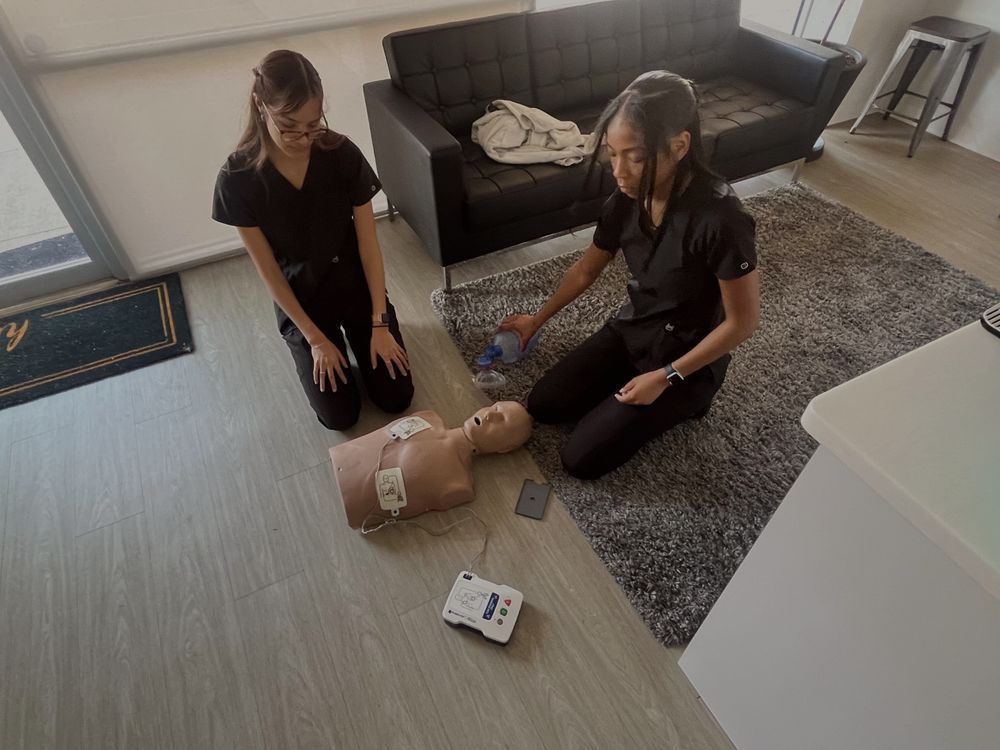
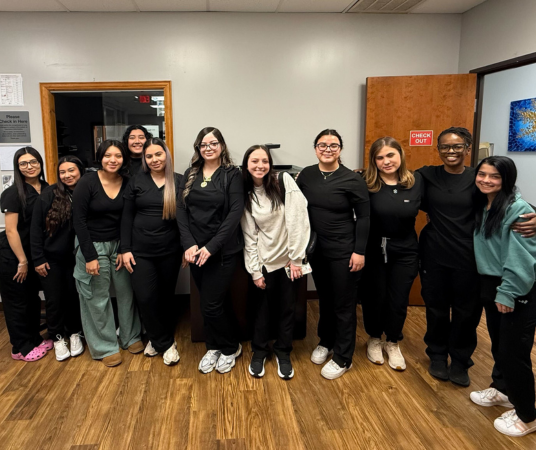
Developing these skills requires the right training, hands-on practice, and supportive education. Pulse Medical Assistant School prepares aspiring medical assistants through an online-first, 16-week medical assistant program that combines flexible learning with intensive, in-person labs. This hands-on approach ensures students graduate with the confidence, clinical skills, and interpersonal abilities needed to help real patients receive real care.
For those ready to begin a rewarding, patient-centered career in healthcare, Pulse Medical Assistant School offers the education and support needed to succeed in today’s medical environments.
You're only a few months from the medical assistant career you deserve.