How to Find a Mentor During Medical Assistant Training

How to Find a Mentor During Medical Assistant Training
Starting your medical assistant (MA) training is an exciting step toward a meaningful, fast-growing career in healthcare. But even with structured coursework, hands-on skills practice, and clear certification goals, many students find themselves wondering how to get personalized support as they grow. That’s where mentorship comes in. Having a mentor—someone who has already walked the path you’re on—can accelerate your confidence, help you build professional habits early, and give you the insider knowledge you won’t always find in a textbook.
Mentorship is especially valuable in medical assisting because the role blends both clinical and administrative responsibilities in a fast-paced environment. A mentor can help you understand everything from how to improve your phlebotomy technique to why communication matters so much at the front desk. Whether you’re attending an online-first program or training in person, you don’t have to wait until you get your first job to find a mentor. With the right strategies, you can build meaningful connections during training that support you long after graduation.
Connect With Your Instructors and Lab Coaches
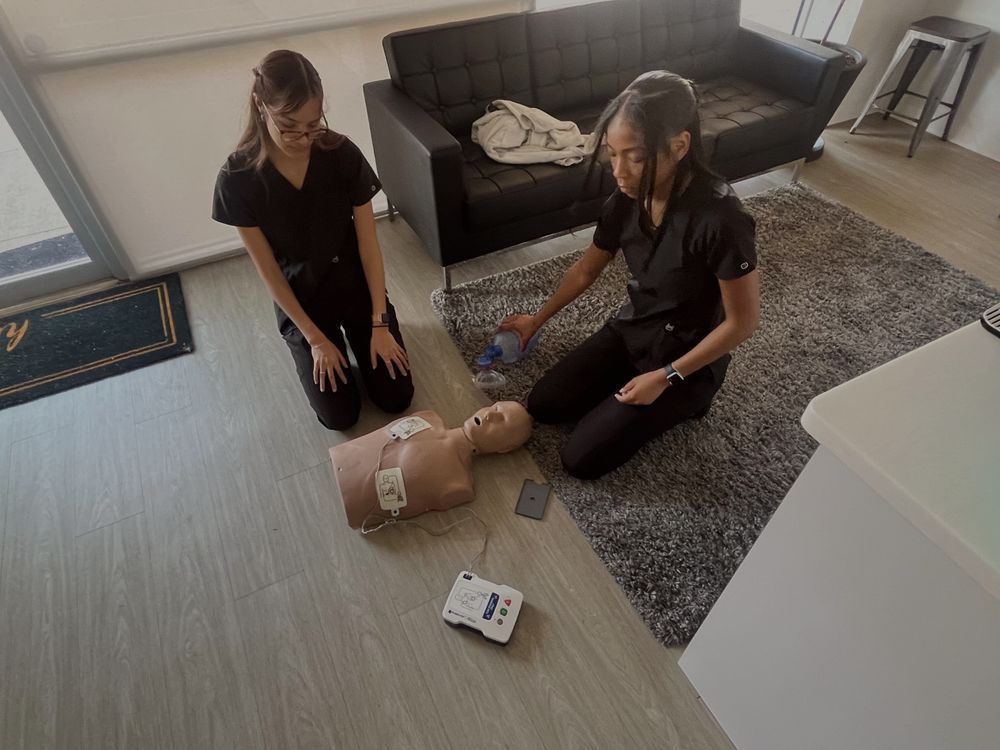
One of the easiest and most effective places to find a mentor is right in your classroom or skills lab. Instructors and lab coaches are more than educators—they’re experienced healthcare professionals who have worked directly with patients, managed busy clinical workflows, and navigated the demands of the medical field. Because they already understand your strengths, learning style, and growth areas, they are well-positioned to guide you personally.
To cultivate mentorship with an instructor, start by communicating consistently. Ask questions that show you’re engaged, request feedback when needed, and demonstrate that you’re committed to improving. Most instructors are excited to support students who show initiative and curiosity. Over time, these interactions naturally develop into mentorship, giving you someone you can rely on for advice, encouragement, and career guidance as you advance through your program.
Build Relationships During Your Externship
Your externship is one of the most valuable opportunities to connect with potential mentors. During this phase of your training, you’ll work alongside medical assistants, nurses, and physicians who can offer real-world insights into the day-to-day expectations of clinical practice. Because externships are immersive, you get a chance to observe how skilled professionals think, communicate, problem-solve, and multitask in ways that only come with experience.
To find a mentor during your externship, start by showing enthusiasm and a willingness to learn. Arrive early, ask thoughtful questions, and demonstrate that you’re taking your training seriously. If you show respect for the team’s time and consistently put in the effort, you’ll naturally stand out as someone worth investing in. After you’ve established rapport with someone, it’s perfectly appropriate to say, “I really admire your approach to patient care—would you be open to advising me as I grow in my career?” Most professionals are honored by the request and happy to support new MAs entering the field.
Network With Classmates, Alumni, and Program Communities
Mentorship doesn’t always have to come from someone older or more experienced—sometimes the best mentors are peers who understand exactly what you’re going through. Your classmates can be a powerful source of support because they’re training for the same career and can offer helpful perspectives, study strategies, and encouragement. Students often form informal peer mentorships without even realizing it.
Beyond your immediate class, many training programs have alumni networks or online communities where current students and graduates interact. Alumni can be particularly valuable mentors because they’ve recently completed the same curriculum, passed certification exams, and navigated the job search process. They can tell you which study resources helped them the most, what to expect during interviews, and how to transition confidently into your first MA role. Joining group chats, discussion boards, and social channels connected to your program can help you build relationships with people who want to see you succeed.
Get Involved in Professional MA Organizations
Joining a professional organization early in your training is one of the most powerful ways to connect with mentors beyond your immediate academic circle. Groups such as the American Association of Medical Assistants (AAMA) or the National Healthcareer Association (NHA) offer networking events, member forums, mentorship programs, webinars, conferences, and career development opportunities. Even as a student member, you can access resources that help you expand your professional network.
These organizations often attract seasoned medical assistants, educators, and healthcare leaders who enjoy mentoring newcomers in the field. Attending local meetings or virtual gatherings provides opportunities to connect with professionals who can offer guidance on certification, specialization, job placement, and career advancement. When someone stands out as knowledgeable and approachable, reach out with a professional message—introduce yourself, express what you admire about their work, and ask whether they’d be open to sharing advice. Many leaders in these organizations are passionate about supporting the next generation of MAs.
Use LinkedIn and Online Networking to Expand Your Mentorship Circle
Digital networking is now a powerful tool for students in every healthcare field, including medical assisting. LinkedIn gives you access to thousands of medical assistants, practice managers, educators, and healthcare professionals who share advice, post job opportunities, and participate in industry discussions. Creating a polished LinkedIn profile early in your training helps establish your digital presence and shows future mentors that you’re serious about your career growth.
To find a mentor online, start by connecting with classmates, instructors, alumni, and professionals at your externship site. Engage with posts, share your own learning experiences, and participate in discussions about topics like patient care, clinical skills, or emerging trends in medical assisting. When you find someone whose career path inspires you, send a personalized connection request. A simple message like, “I’m currently in MA training and admire the work you do in primary care—would you be open to sharing advice or mentorship?” can open doors you didn’t expect. The key is to be genuine, respectful, and willing to learn.
Why Mentorship Matters So Much in MA Training
Why Mentorship Matters So Much in MA Training Mentorship accelerates your learning in ways that coursework alone cannot. A knowledgeable mentor can help you refine clinical skills, build confidence in patient interactions, and understand what hiring managers are really looking for. They can also help you navigate challenges such as time management, exam preparation, and balancing administrative and clinical responsibilities.
Even better, mentorship often evolves into long-term professional relationships. Many medical assistants stay connected with their mentors throughout their careers, seeking advice when they consider promotions, certifications, or job changes. Building these relationships early helps you develop roots in the healthcare community—and that support can shape your entire career.
Start Your Training With Support Built In
Start Your Training With Support Built In Finding a mentor during medical assistant training doesn’t have to be complicated. Whether through instructors, externship supervisors, peers, professional organizations, or online networking, there are countless opportunities to build meaningful, career-shaping relationships. The key is to be proactive, open to feedback, and genuinely invested in your growth. With the right mentor by your side, you’ll enter the workforce more confident, prepared, and connected than ever.
If you’re ready to begin your medical assistant career with a program designed for real-world success, Pulse Medical Assistant School offers the perfect foundation. As an online-first, 16-week medical assistant program with intensive, in-person labs, Pulse gives aspiring medical assistants the hands-on practice and personalized support they need to feel confident working with real patients. From industry-experienced instructors to a training model built around mentorship and skills mastery, Pulse prepares you not just for certification—but for a meaningful, lasting career in healthcare.
Let Pulse Medical Assistant School help you build the skills, confidence, and connections to thrive as a medical assistant.
You're only a few months from the medical assistant career you deserve.