How to Launch a Medical Assistant Career With a Disability_ Tools & Support
How to Launch a Medical Assistant Career With a Disability: Tools & Support
Entering the medical field is a powerful way to make a difference in the lives of patients and families, and medical assisting is one of the most accessible paths for people of all abilities. Many individuals with disabilities pursue medical assisting because the role offers diverse responsibilities, meaningful patient interactions, and flexible work environments that can be adapted to a wide range of physical, sensory, or cognitive needs. With the right preparation and support, becoming a medical assistant is not just possible—it’s achievable, sustainable, and rewarding.
Today’s healthcare employers are increasingly committed to inclusion, ensuring that team members with disabilities have the resources, accommodations, and technologies they need to succeed. From adaptive equipment to supportive supervisors, the industry is steadily creating clearer pathways for people with disabilities to enter clinical and administrative care roles. If you’re considering a medical assistant career and want to understand how to begin your journey, there are proven steps that make the path more attainable.
Below are six recommendations to help launch your medical assistant career with a disability—each designed to empower you, reduce barriers, and increase your confidence as you enter the field.
Start With Accessible, Accelerated Medical Assistant Training
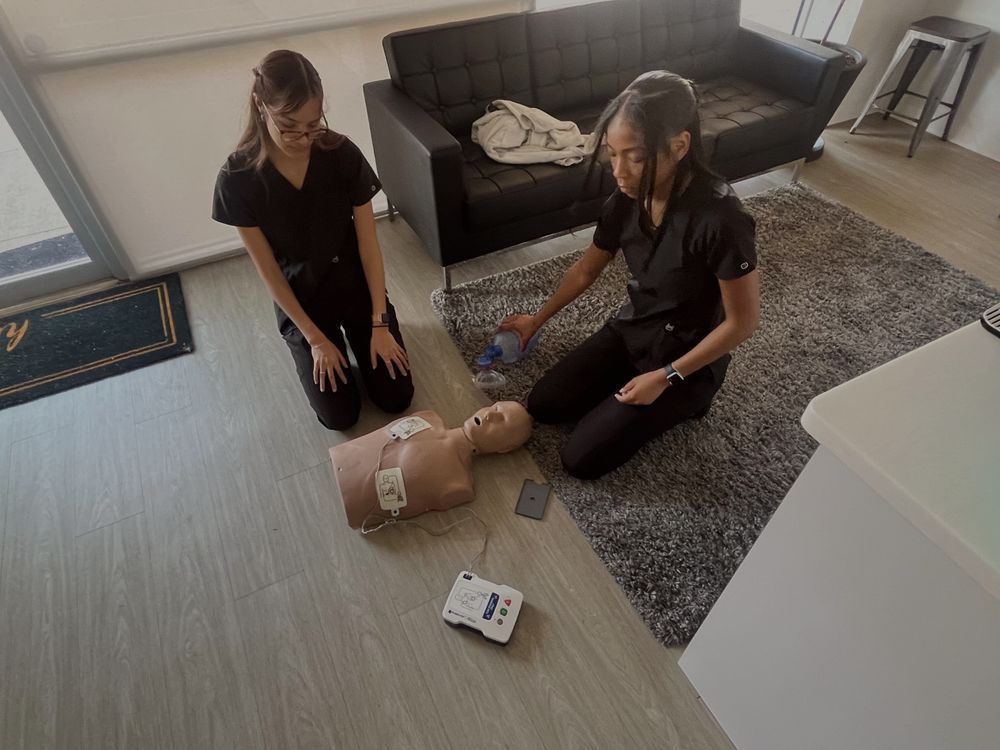
If you want to launch your career quickly and build real confidence around patient care, starting with an accelerated medical assistant training program is one of the most effective steps. Programs like Pulse Medical Assistant School are designed to be accessible and offer online-first learning paired with in-person labs for essential hands-on practice.
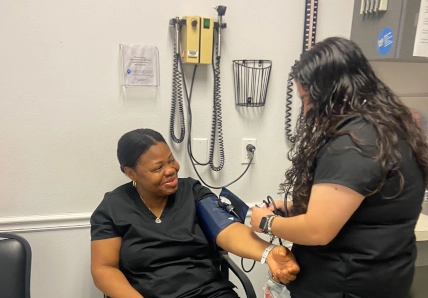
This structure benefits students with disabilities because it reduces physical travel demands, makes it easier to learn at your own pace, and provides a clear path to gaining clinical experience in controlled, supportive environments. You get the foundational knowledge you need—such as anatomy, phlebotomy basics, medical terminology, and clinical procedures—before stepping into lab sessions where instructors help you practice skills safely and comfortably.
Accelerated programs also help minimize educational barriers. Instead of spending years in college, students can complete their training in months, making the transition to the workforce faster and more accessible. These programs often have small class sizes and instructors who understand how to help students with different abilities succeed.
Understand Your Rights Under the ADA and How Accommodations Work
The Americans with Disabilities Act (ADA) protects your right to access educational programs and employment opportunities without discrimination. Understanding how these protections work can empower you to request the accommodations you need—without hesitation or fear.
In school, accommodations might include extended testing time, assistive technologies, seating adjustments, interpreters, or alternative lab formats depending on your disability. Medical assisting programs that prioritize accessibility will have a disability services team or dedicated staff who help you coordinate these supports.
In the workplace, accommodations may vary based on your role. If you’re entering a clinical environment, employers may adjust workflow, provide adaptive equipment, or reassign certain physical tasks that conflict with your limitations. Administrative and clinical hybrid roles also allow employers to tailor responsibilities in a way that maintains efficiency and patient safety.
Understanding your rights means you can confidently advocate for yourself in training and throughout your career. Your disability does not disqualify you from being a strong, effective medical assistant—it simply may shape the accommodations that allow you to thrive.
Explore the Wide Range of Medical Assistant Job Settings
One of the most empowering features of a medical assistant career is the wide variety of work environments you can pursue. This flexibility allows individuals with disabilities to choose settings that match their strengths, preferences, and accessibility needs.
Medical assistants are needed in hospitals, private physician practices, community clinics, outpatient centers, specialty offices, insurance companies, rehabilitation centers, and even telehealth organizations. Depending on your physical or sensory needs, certain environments may be a more natural fit. For example, someone who uses mobility aids may prefer a clinic where tasks involve predictable schedules and minimal emergency movement. Meanwhile, someone who thrives in a fast-paced setting may enjoy the energy of an urgent care center.
There are also administrative-focused roles where charting, scheduling, billing, and patient communication take priority. These roles may be ideal if your disability makes certain clinical tasks less accessible. The key is to understand that the medical assistant profession includes many paths—none less valuable than another—and there is room for every kind of talent.
Use Assistive Technology to Enhance Comfort and Confidence
Today’s assistive technologies make it easier than ever to launch a successful career with a disability. Whether you need communication tools, ergonomic support, cognitive aids, or mobility adaptations, there are tools designed to reduce strain and help you perform at a high level.
Adaptive technologies can include:
Speech-to-text and text-to-speech devices for charting and documentation
Ergonomic equipment such as adjustable seating, anti-fatigue mats, or supportive braces
Screen-reading software for administrative work
Amplified stethoscopes for those who are hard of hearing
Specialized grips or tools for individuals with limited dexterity
Mobile apps that assist with memorization, scheduling, or communication
Many workplaces will supply these tools as part of your accommodation plan. If you’re unsure what you might need, your training program or occupational therapist can recommend individualized solutions. Learning to work with assistive technology early in your training can also prepare you for clinical tasks and streamline your workflow once you enter the field.
Build a Support Network of Educators, Mentors, and Career Coaches
Your support network is one of your greatest strengths when launching a medical assistant career with a disability. A strong network includes instructors, disability services professionals, mentors, peers, and career counselors who understand your goals and can help you navigate challenges.
During medical assistant training, form relationships with instructors who can give you guidance, help you adjust learning strategies, and ensure accommodations are being met. Career coaches can help you identify employers that have strong inclusive hiring practices, while mentors already working in the field can offer realistic advice based on their own experiences.
As you move into the workforce, having supportive colleagues and supervisors makes a major difference. Many healthcare teams value inclusive collaboration and will work with you to create a supportive and adaptable workflow. These relationships help build confidence, reduce anxiety, and reinforce that you are not alone on this journey.
Identify Employers With Strong Accessibility and Inclusion Values
Not every workplace approaches accessibility the same way, which makes it important to research employers before accepting a job. Look for organizations that clearly outline disability-inclusive policies, provide adaptive tools, offer flexible scheduling when appropriate, and demonstrate a commitment to creating equitable opportunities for all employees.
During interviews, you might ask questions like:
“How does your team support employees who have disabilities?”
“What accommodations are available in clinical and administrative roles?”
“How does leadership promote accessibility in daily operations?”
Inclusive employers understand that people with disabilities bring strength, resilience, and unique perspectives to patient care. They recognize the importance of creating an environment where every member of the care team can perform their best work. Finding the right employer ensures a long, satisfying career where you feel valued and supported—not limited.
Build Your Career With Accessible, Accelerated Training
Build Your Career With Accessible, Accelerated Training Launching a medical assistant career with a disability is absolutely possible with the right preparation, training, tools, and support system. The healthcare industry increasingly prioritizes inclusion, and medical assistants play a vital role in ensuring patients receive compassionate, high-quality care. Whether your disability affects mobility, hearing, vision, learning, or daily stamina, there is space for your talents in this field.
Start by choosing a flexible, supportive training program. Learn your rights, explore different healthcare environments, use assistive technologies, and partner with educators and employers who believe in equitable access. These steps will help you create a rewarding and sustainable medical assistant career where your abilities—not your limitations—define your success.
If you’re ready to take the first step, Pulse Medical Assistant School can help you launch a career with confidence. Pulse is an online-first, 16-week medical assistant program that includes intensive, in-person labs where students practice hands-on skills in a supportive, instructor-led environment. It’s designed to help aspiring medical assistants of all abilities gain the training, clinical experience, and self-assurance needed to care for real patients and enter the workforce prepared.
You're only a few months from the medical assistant career you deserve.