How to Network as a Medical Assistant and Find New Opportunities
How to Network as a Medical Assistant and Find New Opportunities
Networking isn’t just for executives or long-tenured healthcare professionals—it’s one of the most valuable career-building tools any medical assistant (MA) can use. In a fast-growing field where employers are always seeking reliable, well-trained professionals, the connections you build today can open doors to new roles, better pay, and long-term career advancement. Whether you want to move into a specialized department, take on more responsibilities, or simply grow in confidence, actively building relationships within the healthcare community is essential.
What makes networking especially powerful for medical assistants is that the role is naturally people-centered. Every day, you interact with nurses, physicians, technicians, office managers, billing specialists, and even professionals from outside your immediate department. Each of these interactions is an opportunity to build rapport, expand your professional circle, and learn what other roles might be a great fit for your future. The more you engage, the more visible you become—and the more likely you are to hear about opportunities before they’re widely posted.
Below are five effective ways to network as a medical assistant and discover new opportunities in the healthcare field.
Build Strong Professional Relationships at Work
The simplest and most effective place to start networking is right where you already are—your current workplace. Because medical assistants collaborate with so many departments, every shift provides opportunities to build credibility and form meaningful professional relationships.
Start by being reliable and consistent. When coworkers see that you communicate well, keep organized records, stay calm under pressure, and support the team, they naturally begin to trust you. This trust often leads to referrals for new positions, invitations to join special projects, or chances to cross-train in other specialties. You can also take initiative by introducing yourself to professionals you don’t regularly interact with—lab techs, radiology staff, front-office supervisors, or new physicians. A simple “If you ever need support with workflow, I’m happy to help” can leave a strong impression.
You can also deepen relationships by asking colleagues about their path in healthcare. Nurses, office managers, and even surgeons often enjoy sharing their experiences and career journeys. These conversations not only strengthen your network but also give you valuable insight into potential career avenues. When people know your goals and see your dedication, they’re more likely to advocate for your advancement.
Join Professional Associations and Attend Healthcare Events
Professional associations are one of the most powerful networking tools for any MA who wants to grow in their career. Organizations like the American Association of Medical Assistants (AAMA) or the National Healthcareer Association (NHA) offer conferences, workshops, and member forums where you can interact with healthcare professionals nationwide. These events expose you to new medical technologies, best practices, and industry trends—while introducing you to mentors, employers, and fellow medical assistants with similar goals.
Attending local healthcare workshops, blood-drive events, health fairs, or hospital training sessions is another effective way to expand your network. These gatherings often include medical directors, HR representatives, and senior clinicians. Simply showing up already makes you more visible than MA peers who never take advantage of these opportunities. When speaking with people at events, ask thoughtful questions and talk about your professional goals. Just a few minutes of conversation can turn into a lasting connection or a future job lead.
Membership in professional organizations also comes with digital benefits. Many groups host online forums, job boards, and webinars where you can continue building your network even if you can’t travel. Staying active in these online communities keeps your name circulating and helps you stay informed about open positions or new certifications that could enhance your skills.
Use Social Media and Online Platforms to Connect with Other Healthcare Professionals
Networking today isn’t limited to in-person interactions—online networking has become just as valuable, especially in the healthcare sector. Platforms like LinkedIn give you a professional space to showcase your background, certifications, and career goals. By posting about your experience, commenting on healthcare topics, or sharing articles on patient care or clinical trends, you build visibility and credibility with peers, recruiters, and healthcare organizations.
Another way to network online is by joining MA-specific LinkedIn groups, Facebook communities, or healthcare forums. These digital spaces allow medical assistants from across the country to exchange advice, share job openings, discuss exams, and offer career support. Engaging in these groups helps you stay connected with industry trends and gives you quick access to opportunities that may not be posted publicly.
You can also use online networking to follow clinics, hospitals, and healthcare companies you’re interested in working for. Many organizations post hiring announcements, training opportunities, or updates about structural changes that might signal upcoming job openings. By engaging with these posts, you remain top-of-mind for recruiters and hiring managers who monitor their online audience.
Seek Out Mentors and Build Supportive Career Partnerships
Mentorship is one of the most powerful yet underused networking strategies for medical assistants. A mentor—whether a senior MA, a nurse, a physician, or an office manager—can offer guidance, introduce you to key decision-makers, and help you set achievable professional goals. Building a mentorship relationship usually begins with expressing your interest in learning. For example, you might ask a senior coworker, “I really admire how you handle patient communication. Would you mind if I asked for your guidance as I work on improving those skills?”
Mentors also provide insight into career paths you may not have considered. They can help you understand the skills needed to move into leadership roles, specialized clinical settings, or even administrative positions. Their experience can help you avoid common missteps and focus your time and energy where it will matter most.
In addition to mentors, career partnerships—mutually supportive relationships between peers—can significantly expand your network. Having a colleague you check in with regularly can keep you accountable and informed about opportunities in their department or outside organizations. By sharing resources, attending conferences together, or studying for certifications as a team, you create a support system that strengthens both of your career paths.
Volunteer, Cross-Train, and Take On New Responsibilities to Expand Your Network Naturally
Some of the best networking happens organically when you put yourself in new professional environments. Volunteering is a great example—whether it’s at community health events, vaccination clinics, or nonprofit organizations. Volunteering exposes you to new healthcare professionals while demonstrating your commitment to patient care and continuous learning. Many employers view volunteer experience as a sign of initiative and leadership.
Cross-training within your workplace is another way to widen your professional circle. Ask your supervisor if you can learn skills from other departments—such as phlebotomy support, administrative tasks, specialty-clinic workflows, or EKG procedures. When you participate in cross-functional training, you meet additional staff, collaborate on new tasks, and show your willingness to help the team. These interactions build your reputation and lead to internal referrals when new positions open.
Finally, taking on new responsibilities—such as helping onboard new MAs, supporting quality-improvement projects, or contributing to patient-experience initiatives—demonstrates that you’re invested in growth. These roles often require working closely with department managers, nurses, and physicians, all of whom can become valuable advocates for your future advancement. Many medical assistants find their next job simply because a supervisor or clinician they worked with recommends them to another department or healthcare facility.
Find a Future in Healthcare
Networking as a medical assistant doesn’t require a huge social circle or years of experience—it simply requires showing up, engaging with others, and staying curious about the healthcare world around you. Every interaction, from daily work conversations to online discussions, can strengthen your professional presence and open doors to new opportunities. The more intentional you are about building relationships, the more confidently you can pursue better roles, higher pay, and long-term career growth.
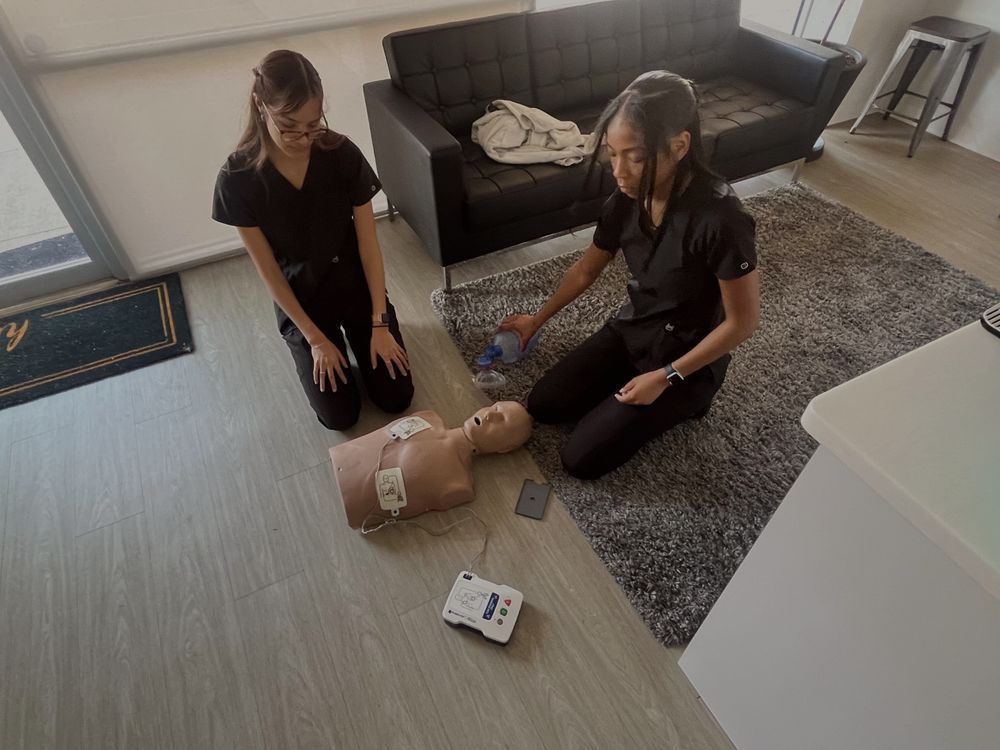
If you’re just beginning your journey as a medical assistant or want to build a stronger foundation before you start networking, training matters. Pulse Medical Assistant School offers an online-first, 16-week medical assistant program with intensive, in-person labs that give aspiring medical assistants the confidence to help real patients receive real care. It’s the perfect place to start your healthcare career with the skills, knowledge, and support you need to succeed—and network your way into new opportunities.
You're only a few months from the medical assistant career you deserve.