How to Stay Calm in a Fast-Paced Clinical Environment
How to Stay Calm in a Fast-Paced Clinical Environment
Working in a clinical environment means operating in a setting where every moment counts. Medical assistants balance administrative duties, direct patient care, communication with providers, and constant shifts in priorities. With phones ringing, patients waiting, and providers relying on fast, accurate support, the pressure can build quickly. Staying calm isn’t just a personal benefit—it’s key to ensuring patient safety, professional performance, and overall well-being.
For medical assistants, learning how to remain calm and composed in a fast-paced environment is a skill that develops over time. It requires a combination of self-awareness, stress-management strategies, smart planning, and strong communication. The good news? Calm can be trained. By practicing specific habits and techniques, medical assistants can navigate even the busiest days without feeling overwhelmed. Below are six highly effective ways to stay centered and confident in a high-pressure clinical setting.
Prioritize Tasks with a Clear System
One of the biggest sources of stress in a busy clinic is not knowing what to tackle first. When everything feels urgent, it’s easy to panic. That’s why having a reliable task-prioritization system can dramatically reduce overwhelm. Whether it’s using digital tools, a color-coded checklist, or a quick mental ranking, medical assistants should always know which tasks must be completed immediately, which can wait, and which can be delegated.
Start by recognizing the difference between urgent and important tasks. For example, rooming the next patient before the provider falls behind is urgent. Restocking syringes might be important, but it’s not time-sensitive. By separating tasks into categories, medical assistants can make informed decisions in the moment. Prioritization becomes even easier with practice. Over time, you’ll instinctively know which activities should take top priority based on workflow patterns, provider preferences, and patient volume.
Additionally, preparing for the day ahead—even with a two-minute review of the schedule—can help prevent stressful surprises. Knowing which patients need labs, which providers are double-booked, or which procedures require extra prep gives medical assistants more control over their workflow. Calm often comes from clarity, and clarity comes from having a system.
Practice Mindful Breathing During Transitions
Fast-paced doesn’t mean frantic. One of the simplest and most powerful tools for staying calm is mindful breathing. Clinical environments rarely offer long breaks, but they do offer dozens of micro-moments—walking between rooms, washing hands, waiting for a provider’s instructions. These transitions are ideal opportunities to reset your nervous system.
Mindful breathing helps reduce tension, lower heart rate, and clear mental “noise” before stepping into the next task. A common technique is box breathing: inhale for four seconds, hold for four, exhale for four, hold for four. Even doing this once or twice can create a noticeable sense of calm. Another option is a slow exhale technique, where you breathe in normally and then exhale longer than you inhale. This signals the body to relax and regain focus.
Over time, these brief breathing practices can significantly reduce cumulative stress. The more consistently you use them, the more your body learns to stay regulated, even on unusually busy days. A calm mind supports clear communication, accurate documentation, and patient-centered care—making mindful breathing not just a personal tool, but a professional advantage.
Strengthen Communication Skills to Reduce Uncertainty
Stress often comes from uncertainty—especially when instructions are unclear or expectations change quickly. Strong communication is one of the best ways medical assistants can stay calm and prevent confusion. Asking clarifying questions, confirming details, and communicating proactively can dramatically reduce unnecessary stress in a fast-paced environment.
For example, when receiving instructions from a provider, repeat key points back to them. This not only prevents misunderstandings but also reinforces confidence in your ability to handle tasks correctly. If you anticipate a bottleneck—such as several patients arriving at once or a delay in room turnover—communicating early helps the entire team prepare rather than react.
Communication also reduces emotional stress. When everyone shares the same information, the work feels more manageable. Medical assistants should feel comfortable expressing concerns, asking for help, or notifying teammates when they are juggling competing priorities. Calmness isn’t about handling everything alone—it’s about managing responsibilities effectively with the support of a unified team.
Practicing active listening can also ease stress. By focusing fully on what a patient or provider is saying, you reduce the cognitive load of multitasking and avoid missteps that create more pressure later. Good communication turns a chaotic environment into a coordinated one, which naturally leads to calmer workflows.
Stay Organized to Prevent Scrambling During Busy Moments
In a clinical setting, organization is more than a good habit—it’s essential. Disorganization leads to delays, repeated tasks, miscommunication, and increased stress for both staff and patients. When everything has a place and workflows are predictable, medical assistants can move quickly without feeling rushed.
Start by keeping commonly used supplies stocked and easy to reach. If you know where everything is, you won’t waste time searching for blood pressure cuffs, wipes, or syringes when a provider needs them immediately. Develop routines for room turnover, chart preparation, phone messages, and follow-up tasks. These routines create a sense of control even when patient volume spikes unexpectedly.
Digital organization is just as important. Keeping charts accurate, updating notes promptly, and maintaining clean documentation helps avoid bottlenecks later in the day when things get even busier. A clutter-free workstation—physical or digital—also supports a calmer state of mind. Studies show that orderly environments reduce cognitive overload, making it easier to stay focused and composed during stressful situations.
Organization also improves efficiency, which directly reduces stress. When you save time by being organized, you create small pockets of breathing room—moments that can be used to reset, hydrate, or mentally regroup. In a fast-paced clinic, these small moments matter.
Build Confidence Through Consistent Skill Practice
Confidence is one of the strongest buffers against stress. Medical assistants who feel comfortable with their skills—whether drawing blood, taking vitals, preparing patients, or navigating electronic health records—naturally remain calmer under pressure. Confidence comes from experience, but it also comes from intentional practice.
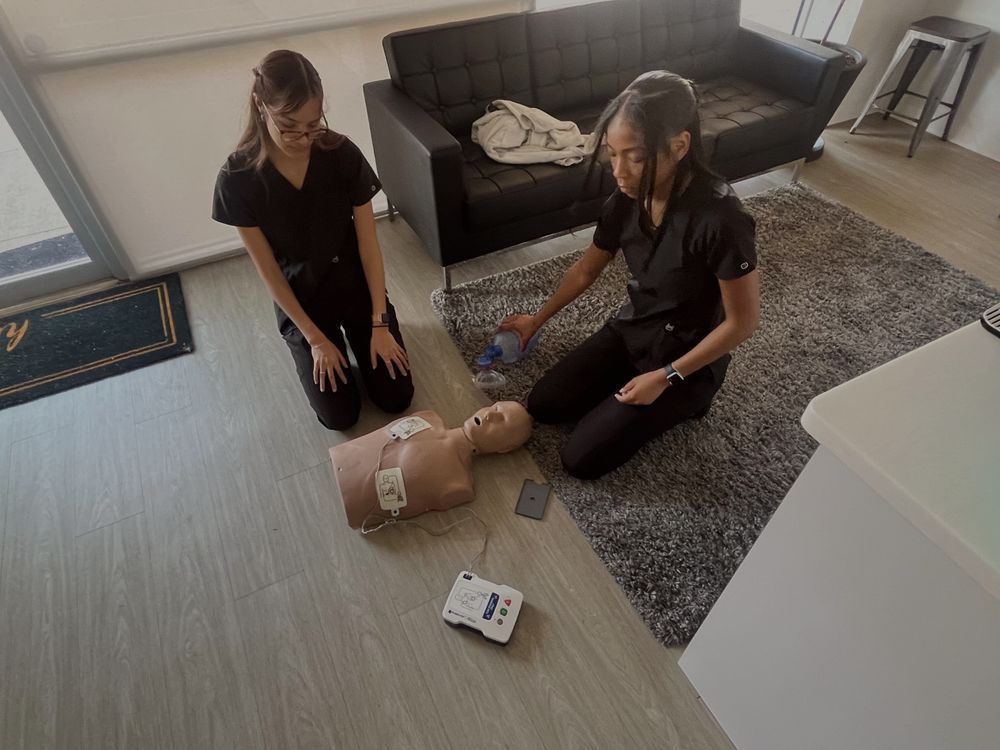
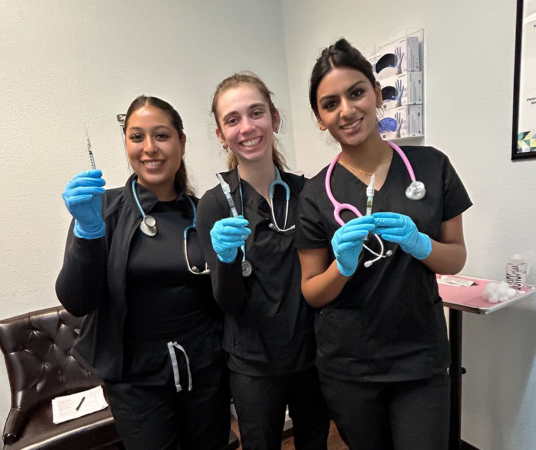
If there are tasks that routinely make you feel anxious, focus on improving those skills during slower periods. Practicing venipuncture techniques, reviewing anatomy, or shadowing a more experienced MA can make you more prepared and less stressed when the clinic gets busy. The more automatic your fundamental skills become, the more mental energy you’ll have available for unexpected challenges.
Ask for feedback from providers or supervisors, not as criticism but as a tool for building mastery. Feedback helps identify gaps and reinforces strengths. When you know what you’re doing well, it’s easier to stay calm in chaotic environments. And when you understand what needs improvement, you can make targeted progress that boosts confidence over time.
Skill mastery also helps medical assistants respond to emergencies or sudden schedule changes with greater steadiness. A fast-paced environment becomes less intimidating when you trust your training and abilities. Calmness, in this case, is a direct result of competence.
Maintain Personal Well-Being to Support Emotional Resilience
No strategy will work if your body and mind are running on empty. Self-care is often overlooked in healthcare settings, but it’s absolutely necessary for staying calm under pressure. Medical assistants who prioritize rest, hydration, nutrition, and emotional wellness are more resilient during busy shifts.
Small actions throughout the day can make a big difference. Drinking water during short transitions, eating balanced meals before long shifts, and taking a moment to stretch between tasks help regulate both physical and mental energy. Outside of work, sleep is one of the most powerful tools for preventing burnout. A well-rested mind is less reactive, more focused, and better equipped to handle stress.
Emotional well-being matters too. Practices such as journaling, talking with supportive friends or mentors, spending time outdoors, and engaging in hobbies create balance outside of a high-pressure job. Medical assistants should also learn the signs of burnout—irritability, exhaustion, decreased motivation—and address them early.
Clinics function best when staff members take care of themselves as well as their patients. When you invest in your own well-being, you build the emotional resilience necessary to stay calm during the most demanding moments.
Begin Your Medical Assistant Career with Confidence
Begin Your Medical Assistant Career with Confidence Staying calm in a fast-paced clinical environment doesn’t mean staying emotionless—it means staying centered, focused, and ready to deliver high-quality care even under pressure. By prioritizing tasks effectively, practicing mindful breathing, communicating clearly, staying organized, strengthening skills, and supporting personal well-being, medical assistants can thrive in environments that challenge their resilience. Calm isn’t something you either have or don’t have—it’s something you build through consistent habits that support confidence and clarity.
If you’re preparing for a medical assistant career and want the skills to stay calm and competent in fast-paced clinical environments, Pulse Medical Assistant School can help you succeed. Pulse is an online-first, 16-week medical assistant program featuring intensive, in-person labs that help aspiring medical assistants build hands-on experience and the confidence to help real patients receive real care. It’s the perfect place to start a fulfilling and impactful healthcare career.
You're only a few months from the medical assistant career you deserve.