How to Stay Current on New Technology in the MA Field
How to Stay Current on New Technology in the MA Field
Modern healthcare runs on technology—and medical assistants (MAs) are right in the middle of it. From electronic health records to diagnostic tools to practice-management software, new systems emerge every year, reshaping how care is delivered. For medical assistants, staying updated on these tools isn’t just helpful; it’s essential to providing accurate, efficient, and compassionate patient care. Technology proficiency also signals to employers that you’re adaptable, forward-thinking, and ready to take on greater responsibility.
But with so many tools, software updates, and new techniques rolling out, many MAs wonder where to begin. The good news: staying current doesn’t require going back to school every time something new launches. With a strategic approach—and consistent curiosity—you can keep your skills sharp, support your care team, and grow your career for years to come. Below, we break down five of the most effective ways to stay up to date on the latest technology in the MA field.
Enroll in Continuing Education and Certification Courses
Healthcare technology evolves fast, and continuing education (CE) courses are one of the best ways for MAs to stay ahead of the curve. These courses are designed to cover new systems, updated best practices, and emerging innovations that directly affect daily MA responsibilities.
Many CE programs focus on topics such as electronic health record (EHR) optimization, telehealth protocols, medical billing updates, wearable patient-monitoring devices, and new diagnostic equipment. Because these offerings are frequently updated, they often reflect the most current standards and platforms used across healthcare systems.
Continuing education is not just about gaining knowledge—it also helps maintain or renew professional certifications. Many certifying bodies require ongoing education to ensure MAs remain competent in modern healthcare environments. Completing CE credits signals professionalism and a commitment to growth.
CE courses also offer flexibility. You can take short online modules, attend half-day seminars, or enroll in structured certificate programs. These options allow working MAs to develop new skills without disrupting their schedules. Over time, this ongoing learning becomes a powerful habit that keeps you tech-ready and competitive.
Attend Workshops, Webinars, and Healthcare Technology Conferences
Whether virtual or in person, industry events offer some of the richest opportunities to explore emerging tools and trends. Workshops allow you to get hands-on experience with new technology, while webinars deliver expert insights from leading clinicians and tech developers.
Healthcare technology conferences—such as those focused on health IT, medical practice operations, or clinical innovation—regularly showcase new software, equipment, and care-delivery solutions. These conferences often highlight cutting-edge developments long before they become mainstream. For MAs, attending even one event a year can provide a huge advantage: you’ll see what’s coming next, understand how it works, and learn how practices are preparing to adopt it.
Events also give you access to demonstrations and real-time Q&A sessions. These interactions can clarify how a device or software platform is used in real clinical settings. For example, a session might walk you through a new EHR interface, show you how AI-powered scheduling works, or illustrate how remote-monitoring tools integrate with a clinic’s workflow.
Importantly, workshops and conferences also build your network. Connecting with other MAs, nurses, managers, and tech developers expands your learning circle and exposes you to varied approaches across different healthcare environments. Technology evolves quickly—so having a network that shares updates and best practices is invaluable.
Follow Healthcare Technology Publications, Blogs, and Professional Organizations
One of the easiest ways to stay current—and one of the most overlooked—is simply staying plugged in. Many medical assistants build a habit of following healthcare IT publications, blogs, newsletters, and professional associations that release frequent updates about new tools, devices, and systems.
Publications may include healthcare technology news sites, digital health journals, or blogs that analyze clinical equipment trends. These sources often break down complex tech topics into clear, digestible insights. Regular reading helps you understand not just what is changing, but why—and how those changes will affect patient care and administrative workflows.
Professional organizations are another invaluable resource. Groups like the American Association of Medical Assistants (AAMA) and similar bodies publish articles, host webinars, and maintain updates on regulations and best practices. These organizations also partner with technology vendors and industry experts, meaning their audiences often get early access to tutorials and new research.
Following this kind of content takes very little time—you can skim headlines during a lunch break or scroll through newsletters while standing in line. Yet the impact is significant. Over time, you build a strong awareness of industry trends, upcoming tools, and practical strategies for adopting new technology in the workplace.
Use On-the-Job Learning Opportunities and Ask for Cross-Training
For many medical assistants, the best technology training happens right in their clinics. As practices adopt new tools—whether upgraded EHR platforms, patient-communication systems, scheduling software, or diagnostic equipment—clinical leaders often train the team on how to use them. This kind of hands-on learning is invaluable because it teaches you technology in the exact environment where you’ll use it every day.
The key is to be proactive. Don’t wait to be asked—volunteer to participate in pilot programs or to be an early tester for new software. Managers appreciate team members who show initiative and are willing to help improve practice operations. Being part of the rollout of a new system also positions you as a knowledgeable resource for your teammates once everyone else begins learning it.
Cross-training is another powerful way for MAs to stay technologically updated. In many healthcare settings, nurses, billing specialists, practice managers, and lab technicians all use different types of software and equipment. By asking to shadow these roles or support them temporarily, you gain firsthand experience with systems you might not otherwise encounter.
This approach not only boosts your skills—it also enhances your value to the organization. Clinics increasingly rely on MAs who can move fluidly between administrative and clinical tasks. When you understand a wider range of technology, you become more versatile and more indispensable.
Participate in Online Communities, Courses, and Professional Networks
Digital communities give MAs another powerful opportunity to stay current. Online groups—on platforms like LinkedIn, Reddit, or specialized MA forums—are full of professionals who regularly discuss new tools, troubleshoot software issues, share best practices, and learn from one another. These communities act like a living, constantly updated textbook.
Participating in conversations exposes you to innovations your clinic may not be using yet. You might discover a new EHR shortcut, a scheduling system that improves patient flow, or a diagnostic tool that makes certain procedures more efficient. Many MAs report learning about new technology through online networks long before their employers introduce it.
In addition to online communities, structured online courses focused on health IT, AI in healthcare, billing systems, and digital recordkeeping provide valuable, flexible learning opportunities. Many of these courses are taught by industry professionals and include simulations or case studies that help you apply new concepts in real-world scenarios.
Finally, your professional network matters. Surrounding yourself with clinicians, instructors, practice managers, and other medical assistants—either online or in person—gives you access to a constant flow of shared knowledge. When one of your peers learns a new tool or technique, there’s a good chance they’ll share it, helping you stay ahead without having to discover everything on your own.
Staying Current Keeps You Competitive
Technology isn’t slowing down—especially in healthcare. Medical assistants who stay current on emerging tools will not only deliver better patient care but also position themselves for long-term career growth. Whether through continuing education, industry events, digital publications, workplace learning, or online communities, every MA has access to actionable, practical ways to strengthen their tech skills.
Investing in your technology education doesn’t just help you keep up—it helps you stand out. Employers want team members who can adapt, support new processes, and ensure smooth implementation of modern tools. By developing a consistent learning routine, you become exactly that kind of professional.
Take the First Step With Pulse Medical Assistant School
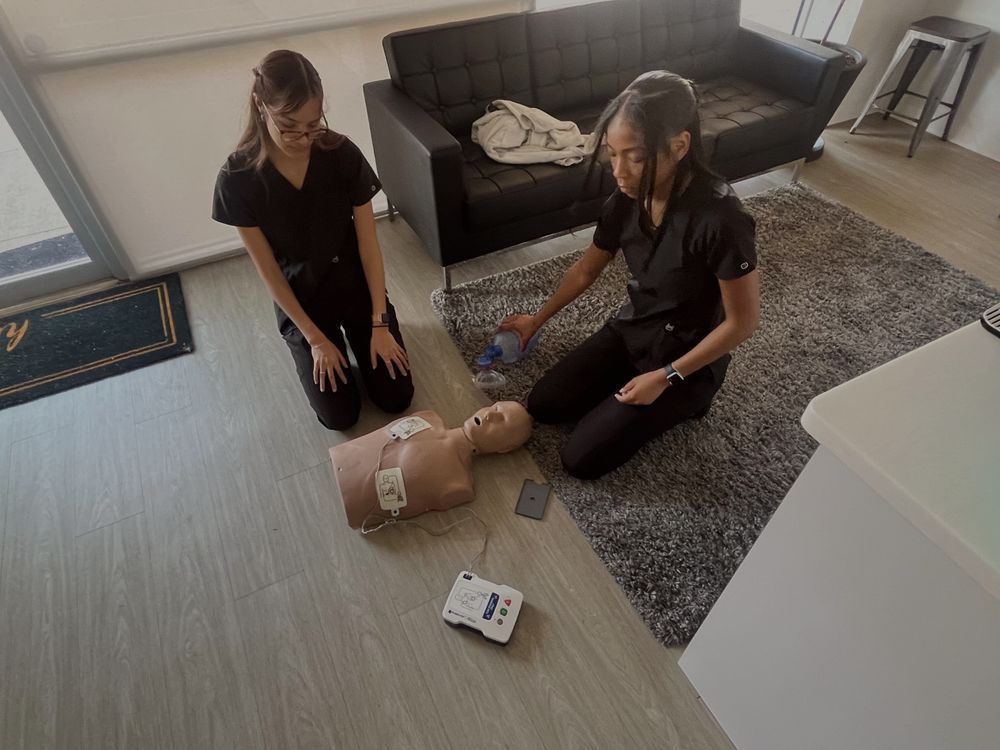
Take the First Step With Pulse Medical Assistant School If you’re ready to strengthen your skills and build a future-proof medical assisting career, Pulse Medical Assistant School gives you the foundation you need. Pulse is an online-first, 16-week medical assistant program that combines flexible learning with intensive, in-person labs, ensuring you gain real, hands-on experience with the tools and technology used in modern clinics.
You’ll graduate with the confidence to help real patients receive real care—and the technical skills today’s healthcare employers expect.
You're only a few months from the medical assistant career you deserve.