How to Stay Organized as a Medical Assistant_ Time-Saving Tips
How to Stay Organized as a Medical Assistant: Time-Saving Tips
Medical assistants play a crucial role in keeping healthcare facilities running smoothly. From updating patient charts to managing exam room flow, no two minutes look alike. Because the job moves quickly, staying organized isn’t just helpful—it’s essential for providing safe, efficient patient care. When medical assistants can manage their time well, they reduce stress for themselves, support clinicians more effectively, and create a smoother experience for patients.
Whether you’re already working in a clinic or preparing for your first day in the field, refining your organizational habits will improve your performance from day one. The good news: you don’t need complicated tools or expensive software to stay on top of your workload. Instead, small daily habits and smart systems can help you stay focused, avoid errors, and save valuable time throughout your shift. Here are six practical, time-saving recommendations every medical assistant can use.
Standardize Your Daily Workflow
One of the fastest ways to stay organized is to create consistent routines for frequent tasks. Medical assistants often repeat the same responsibilities—rooming patients, checking vitals, updating charts, prepping specimens, and stocking supplies. By handling these tasks in the same order every time, you reduce decision fatigue and minimize mistakes.
A standardized workflow also helps you move more quickly. For example, always taking vitals in the same order or checking medication lists before updating charts ensures nothing gets overlooked. When you’re interrupted—and interruptions happen constantly—you’ll be able to pick up where you left off without wasting time. Standardization doesn’t make work rigid; it makes it more reliable.
Use Checklists for Repetitive Tasks
Checklists aren’t just for pilots—they’re incredibly effective for medical assistants. With so many moving parts in a clinic, even experienced professionals can forget small but important details when the day gets chaotic. A simple checklist keeps you on track and prevents errors, especially when preparing exam rooms, conducting patient intake, or processing lab samples.
You can create digital checklists on your phone or tablet, or keep printed versions on a clipboard at the nurses’ station. Many MAs use a mix of both. Over time, you can refine your checklists based on your clinic’s flow, making them an evolving tool that improves your efficiency. The more predictable your tasks become, the more time you free up for patient interaction and urgent requests.
Organize and Stock Exam Rooms Strategically
Nothing slows down your day like searching for supplies during a patient appointment. Keeping exam rooms organized, well-stocked, and laid out in a logical way saves you—and your providers—significant time. Your goal is simple: every item should have a home, and that home should make sense in the flow of care.
Start by placing the most-used tools at eye level or within arm’s reach. Keep similar items grouped together, and label drawers or bins so anyone on the team can find what they need instantly. Make it a habit to restock between patients or at the end of each shift. Even a two-minute walkthrough prevents major slowdowns the next morning. When exam rooms are predictable and clutter-free, you move faster, providers stay on schedule, and patients spend less time waiting.
Prioritize Communication With Your Team
Clear communication is one of the most underrated organizational tools in healthcare. When everyone on the care team—medical assistants, nurses, front desk staff, and providers—shares updates regularly, workflows become smoother and more predictable.
Set the expectation that teammates will communicate changes, delays, or immediate needs. If a provider is running behind, knowing that early lets you adjust your rooming pace. If a patient requires extra time for intake, letting the team know helps maintain the schedule. Quick check-ins throughout the day can prevent confusion, reduce unnecessary backtracking, and help everyone stay organized.
Medical assistants who communicate proactively often find their days feel significantly less stressful. By keeping everyone aligned, you help the entire clinic run more efficiently.
Keep Digital Records Updated in Real Time
Electronic health records (EHRs) are a major part of every medical assistant’s job. Updating charts in real time saves you from scrambling later—and reduces the risk of forgetting critical details. Waiting until the end of the day to complete documentation almost always results in longer hours and more frustration.
Whenever possible, enter information at the time of service. After rooming a patient, update their vitals and chief complaint before moving on to the next task. When scheduling follow-ups, add notes immediately to ensure accuracy. If your clinic’s EHR system has shortcuts or templates, take advantage of them to speed up your workflow. Getting comfortable with your software pays off quickly: the faster you can navigate the system, the more time you save throughout your shift.
Build Buffer Time Into Your Schedule
Healthcare is unpredictable. Even the best organization system can fall apart when a patient arrives late, a provider adds an urgent appointment, or a lab sample takes longer than expected. That’s why building small buffers into your day is essential.
You can create buffer time by completing tasks early instead of waiting until the last minute. For example, prepping exam rooms before the morning rush, printing patient summaries ahead of time, or batching similar tasks together can give you a few extra minutes later in the day. Those saved minutes become invaluable when things get hectic.
Medical assistants who proactively stay ahead of their workload feel more in control and less overwhelmed. The goal isn’t perfection—it’s building enough flexibility into your schedule to handle whatever the day brings.
Start Your Journey With Confidence
Start Your Journey With Confidence Staying organized as a medical assistant is a daily practice that evolves with time, experience, and the pace of your clinic. By using checklists, maintaining consistent workflows, stocking exam rooms strategically, improving communication, keeping digital records up to date, and building buffer time into your schedule, you’ll be better prepared to handle the challenges of a fast-moving healthcare environment. These habits don’t just make your workday smoother—they make you a more reliable, confident healthcare professional.
If you’re preparing to enter the field or want to strengthen your foundation before starting clinical work, the right training program can make a significant difference.
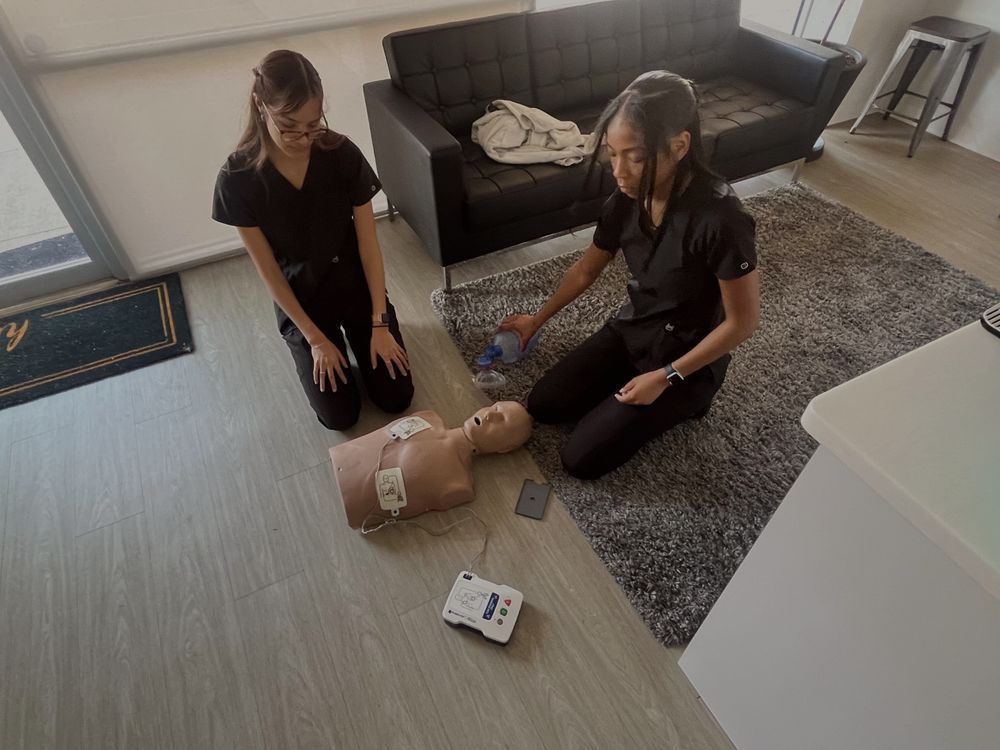
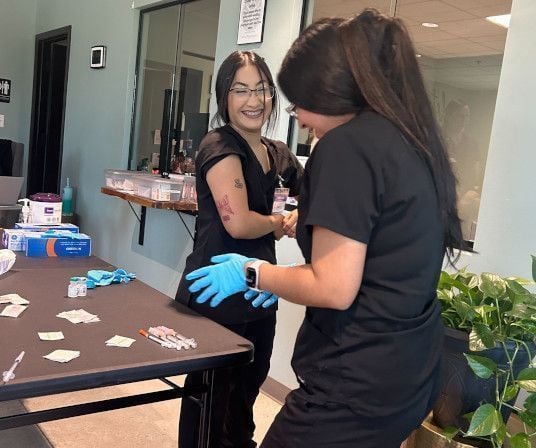
Pulse Medical Assistant School offers an online-first, 16-week medical assistant program with intensive, in-person labs that give aspiring medical assistants the confidence to help real patients receive real care. It’s a fast, flexible way to build the clinical, organizational, and time-management skills that employers value—so you can begin your healthcare career feeling fully prepared.
You're only a few months from the medical assistant career you deserve.