How to Stay Organized as a Medical Assistant
How to Stay Organized as a Medical Assistant
Staying organized is one of the most important skills a medical assistant can develop. Whether you work in a fast-paced clinic, a large hospital, or a private practice, you juggle administrative tasks, clinical duties, patient interactions, and constant communication with providers. With so many responsibilities happening at once, organization becomes more than a preference—it becomes a professional necessity. When medical assistants stay organized, they not only boost their own efficiency but also create a smoother, more positive experience for patients and the entire care team.
Unfortunately, staying organized can be challenging when your day is filled with interruptions, shifting priorities, and unexpected situations. But with the right systems and habits, medical assistants can maintain control, improve accuracy, and reduce stress—no matter how busy things get. Below are six effective ways to stay organized and set yourself up for success in any medical setting.
Create Consistent Daily Routines
One of the simplest yet most powerful ways to stay organized is to build predictable daily routines. When certain tasks become automatic—like logging into your EHR system, prepping exam rooms, checking supply levels, or reviewing your schedule—you reduce decision-making fatigue and create structure in your day. Routines help you stay proactive instead of reactive, which is essential when the rest of your work can be unpredictable.
Start by identifying tasks that happen every morning, afternoon, or end-of-day. Group them into small checklists you can follow without thinking. For example, every morning might include checking voicemail, confirming appointments, stocking rooms, and reviewing lab orders. By following the same flow each day, you minimize the risk of forgetting small but essential tasks and free up mental energy for patient care.
Stay on Top of Documentation
Accurate and timely documentation is central to both patient care and clinic operations. Yet documentation is also one of the easiest things to fall behind on, especially on busy days. Once notes pile up, they become overwhelming—and important details can slip through the cracks.
To stay organized, make documentation a priority throughout the day rather than saving it for the end of your shift. Update charts immediately after patient encounters whenever possible. Use EHR shortcuts, templates, and voice-to-text tools to speed up your workflow. If you can’t complete documentation right away, jot down quick notes or use a secure reminder list to capture key details before you forget them.
Staying current with documentation not only keeps you organized but also reduces errors, supports clear communication with providers, and ensures patients receive seamless care.
Use Checklists and Task Management Systems
Checklists are a medical assistant’s best friend. With so many recurring tasks—from verifying insurance to sterilizing equipment—having clear, repeatable lists helps ensure nothing falls through the cracks. Physical checklists, digital reminders, and daily task sheets can all provide structure, especially when your workload varies from hour to hour.
Many medical assistants also use simple task management tools like Trello, Asana, or built-in EHR task features. These tools allow you to sort tasks by urgency, mark items as complete, and see everything you need to do at a glance. Even something as simple as a designated notebook or planner can keep your day organized and prevent mental overload.
The goal is not to create more work for yourself—it’s to build a reliable system you can trust. When everything is written down, you spend less time remembering and more time doing.
Organize Your Physical and Digital Workspaces
A cluttered workspace creates a cluttered mind. Medical assistants move quickly between patient rooms, front desks, labs, and storage areas, which means staying physically organized can make a huge difference in efficiency. Keeping your supplies neat, cleaning up as you go, and storing tools in consistent locations saves valuable time and reduces frustration.
Digital organization matters just as much. A well-organized computer desktop, EHR inbox, and email system allow you to access information quickly. Set up folders, label documents clearly, and archive what you no longer need. Use color-coding, tags, or filters to stay on top of lab results, messages, and referrals.
When both your physical and digital environments are tidy and consistent, your day becomes smoother and less stressful.
Communicate Clearly and Proactively
Organization isn’t only about managing tasks—it’s about managing information. Medical assistants often serve as the communication hub between patients, nurses, physicians, labs, and insurance companies. Clear, timely communication prevents confusion, reduces duplication of effort, and keeps everyone aligned.
To stay organized, make a habit of asking clarifying questions, confirming instructions, and relaying information accurately. Keep notes during verbal exchanges so you don’t need to rely on memory later. If your workplace uses secure messaging tools, check them at consistent intervals rather than sporadically throughout the day.
Good communication not only keeps you more organized but also builds trust and strengthens your relationships with colleagues and patients.
Plan Ahead and Anticipate Needs
The best organized medical assistants aren’t just reacting to what happens—they’re anticipating what might happen next. Planning ahead allows you to stay one step ahead of a busy schedule, reduce downtime, and prevent avoidable delays.
Look at your patient load for the day and prepare materials in advance. If you know a provider has a heavy schedule of vaccinations or physicals, stock rooms accordingly. Check inventory before supplies run low. Pre-print forms you know you’ll need. Think through each appointment type and what the provider will require so everything is ready before the patient arrives.
This proactive mindset also helps you navigate unexpected situations. When you have backup plans and workflows ready to go, you’re more adaptable and less stressed—no matter how busy the clinic becomes.
Start Your Career with Confidence
Start Your Career with Confidence Staying organized as a medical assistant takes intention, practice, and strong professional habits. But by building daily routines, staying current on documentation, using checklists, organizing your workspaces, communicating clearly, and planning ahead, you’ll create a smoother, more productive workday for yourself and your team. Organization not only improves your efficiency—it elevates the entire patient experience.
If you’re preparing for a medical assisting career and want hands-on training that builds these essential skills, the right program can make all the difference.
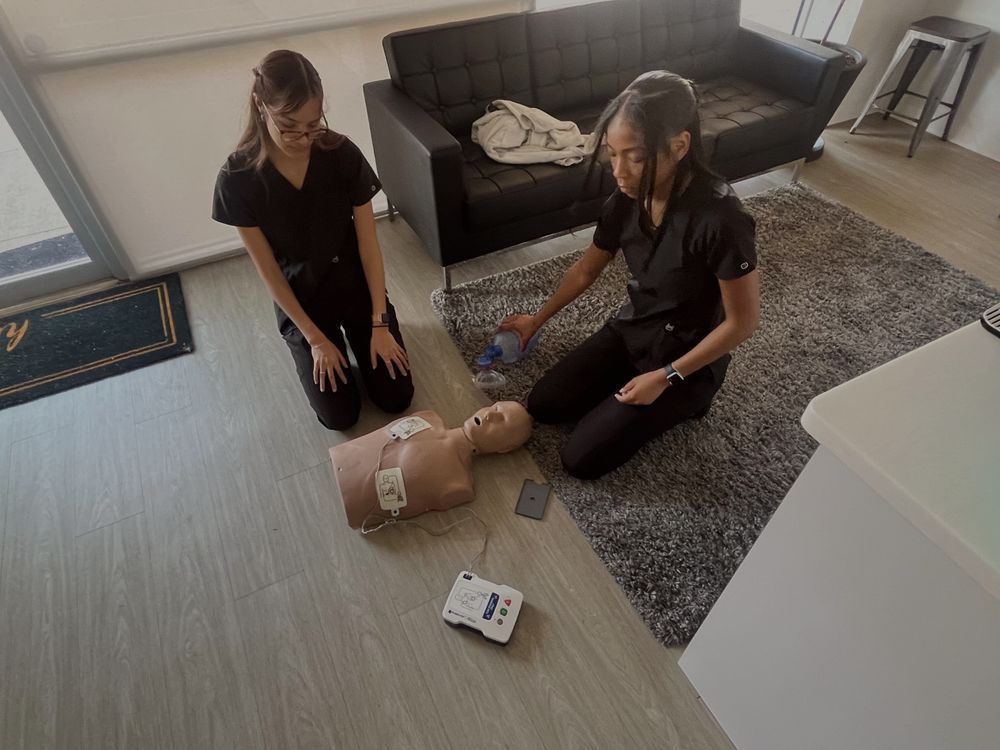
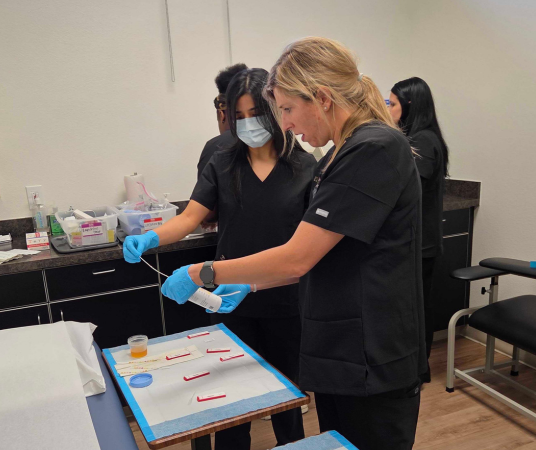
If you’re preparing for a medical assisting career and want hands-on training that builds these essential skills, the right program can make all the difference. Aspiring medical assistants can learn essential organizational skills—and so much more—through Pulse Medical Assistant School, an online-first, 16-week MA training program. With intensive, in-person labs that simulate real clinical environments, Pulse gives students the confidence and experience they need to help real patients receive real care. If you’re ready to start a rewarding career in healthcare, Pulse provides the training, structure, and support to help you succeed.
You're only a few months from the medical assistant career you deserve.