How to Transition from Medical Assistant to Physician Assistant (PA)

How to Transition from Medical Assistant to Physician Assistant (PA)
Transitioning from a medical assistant (MA) to a physician assistant (PA) is one of the most accessible and rewarding career moves in healthcare. Medical assistants already work directly with patients, support clinical workflows, and maintain the fast-paced efficiency a medical office depends on. Those foundation-level skills create a natural bridge to the more advanced, autonomy-driven work PAs perform. For many medical assistants, this isn’t just a career shift — it’s a meaningful step toward greater responsibility, higher earning potential, and the opportunity to deliver hands-on medical care in a deeper way.
But moving from MA to PA requires planning. The process involves gaining the right education, meeting admission requirements, and strengthening your clinical experience. The good news: you can build from your current medical assistant background and strategically focus your efforts in the areas PA programs value most. With the right steps, this transition becomes straightforward, structured, and completely achievable — even for working adults balancing jobs, families, or other commitments.
Below are five essential steps to help you transition from medical assistant to physician assistant, starting with the education pathway that gives you the strongest clinical foundation.
Step 1: Begin With Accelerated Medical Assistant Training Like Pulse
While you may already be a practicing MA, the first and most important step for future PAs is ensuring your foundational clinical training is strong, modern, and aligned with the expectations of today’s healthcare employers. Accelerated medical assistant programs like Pulse Medical Assistant School give students the fast, focused, hands-on experience needed to enter the field quickly and confidently.
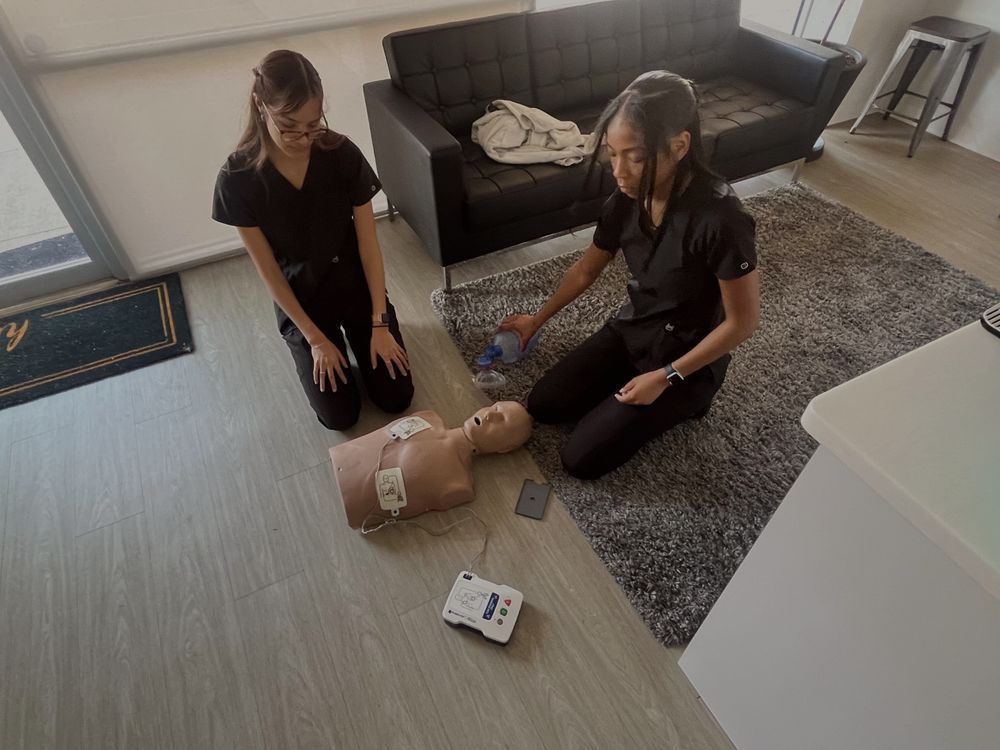
This type of training builds essential core skills — such as patient intake, vital signs, documentation, and assisting with exams — that closely mirror many of the tasks that PA programs expect incoming students to understand. With Pulse’s immersive lab experiences and structured curriculum, students gain real confidence in clinical environments.
Because PA schools value applicants with high-quality, verifiable medical experience, coming from a reputable, skills-based MA program gives you a meaningful advantage. Even if you are already working as a medical assistant, ensuring your training reflects current best practices can help you stand out when applying for competitive PA programs.
Step 2: Gain Robust, Hands-On Clinical Experience
After completing proper MA training, the next step is to deepen your clinical exposure. Physician assistant programs require applicants to have hundreds — often thousands — of hours of direct patient care experience. Medical assisting is one of the most widely accepted pathways to earn this experience, but PA programs prefer depth, consistency, and exposure to varied patient interactions.
To strengthen your clinical background:
Seek roles that allow you to assist directly with patient procedures
Choose specialties where you can shadow or support providers closely
Focus on documenting measurable patient care hours
Ask to learn tasks such as EKGs, wound care, injections (where allowed), or suture removal
The more responsibility you demonstrate, the more competitive your application becomes. Many MA-to-PA applicants purposely work in primary care, urgent care, orthopedics, dermatology, or surgical practices because they offer higher patient volume and more exposure to advanced procedures.
This experience is not just a box to check — it’s what builds your clinical intuition and prepares you for the fast-paced environment of PA school.
Step 3: Complete a Bachelor’s Degree and PA-Program Prerequisites
To apply to a Physician Assistant program, you must have a bachelor’s degree. Many medical assistants decide to complete this degree while working full-time, which makes the process more efficient and affordable. Most PA programs do not require a specific major, but they do require a standardized list of science-based prerequisite courses.
Prerequisites typically include:
Anatomy and physiology
Microbiology
Chemistry (general and organic)
Statistics
Psychology
Some programs require additional advanced sciences such as genetics or biochemistry. Because every PA program has slightly different requirements, it’s smart to choose a handful of schools early and tailor your coursework to their expectations.
This stage is also where your background as a medical assistant helps you shine. Because you already understand medical terminology, workflows, and basic clinical concepts, many MA-to-PA students find upper-division science courses easier to grasp.
Completing prerequisites strategically — online when possible, in person when required — helps you stay on track without interrupting your healthcare career.
Step 4: Prepare a Strong PA School Application
A competitive PA school application includes far more than hours and coursework. PA admissions teams look for applicants with strong academic preparation, exceptional patient care experience, and a demonstrated commitment to the healthcare profession.
You’ll compile your application through CASPA, the centralized PA application service. Your materials should include:
A compelling personal statement
Explain how medical assisting prepared you for this next step and why you’re passionate about expanding your scope of practice.
Letters of recommendation
Most programs require letters from:
A practicing PA
A physician or advanced provider you’ve worked with
An academic instructor
A supervisor who can speak to your clinical performance
Documented healthcare experience
Accurately track your MA hours, including tasks you regularly perform. PA programs differentiate between hands-on (direct care), indirect care, and administrative duties.
A strong GPA
Science GPA is especially important. If your early college grades were lower, completing prerequisites later — and performing well — can help strengthen your academic record.
A thoughtful, well-prepared application shows admissions committees that you’re capable, motivated, and ready for the rigor of PA school.
Step 5: Apply to and Complete a PA Program
Once your application is complete, the next step is interviewing and enrolling in a Physician Assistant program. PA programs typically last about two to three years and include:
Didactic instruction: Intensive courses in medicine, clinical reasoning, pathology, and pharmacology
Clinical rotations: Hands-on training in areas such as family medicine, emergency medicine, pediatrics, psychiatry, surgery, and internal medicine
Board exam preparation: PA programs prepare you for the Physician Assistant National Certifying Exam (PANCE)
Your experience as a medical assistant often gives you an edge, especially during the clinical phase. Because you already understand patient communication, charting, clinic workflows, and basic clinical procedures, many former MAs report feeling more confident than classmates without prior medical experience.
After graduation, you’ll pass the PANCE, obtain state licensure, and officially begin your career as a PA. Many MAs-turned-PAs go on to specialize in areas they were first exposed to during their medical assisting roles.
Your MA Background Makes You an Ideal PA Candidate
Your MA Background Makes You an Ideal PA Candidate Medical assistants bring unique strengths to PA school — real-world patient interaction, time management, multitasking, and clinical familiarity. Instead of starting from scratch, you’re building from a foundation that already aligns with the expectations of advanced healthcare training.
With the right education, the right clinical exposure, and a structured plan, the transition from MA to PA is both realistic and rewarding.
Begin Your Journey With Pulse Medical Assistant School
Begin Your Journey With Pulse Medical Assistant School Whether you’re just starting in healthcare or strengthening your foundation before applying to PA programs, Pulse Medical Assistant School gives you the hands-on, accelerated training you need. Pulse is an online-first, 16-week medical assistant program with intensive, in-person labs that prepare students to work confidently with real patients and support real clinical teams.
If your long-term goal is to become a Physician Assistant, Pulse gives you the clinical starting point to get there — fast, effectively, and with the skills today’s employers and PA programs value most.
You're only a few months from the medical assistant career you deserve.