How to Transition from Medical Assistant to Registered Nurse (RN)
How to Transition from Medical Assistant to Registered Nurse (RN)
Transitioning from a medical assistant (MA) role to becoming a registered nurse (RN) is one of the most rewarding career moves in healthcare. Medical assistants already work closely with patients, support clinical teams, and understand the rhythm of fast-paced care environments. Those experiences give aspiring nurses a meaningful head start. The path from MA to RN is absolutely achievable—and often faster than many people expect—when you use the foundation you’ve already built.
While medical assisting and nursing differ in training, scope of practice, and responsibilities, they share a common purpose: caring for patients with confidence, competence, and compassion. As an MA, you’ve already taken your first step into healthcare. With targeted education and thoughtful planning, you can level up your skills, expand your career options, and take on a greater role in patient care as a registered nurse. Below are five steps that guide your transition from medical assistant to RN—and why beginning with accelerated medical assistant training creates the foundation for long-term success.
Step 1: Start with Accelerated Medical Assistant Training
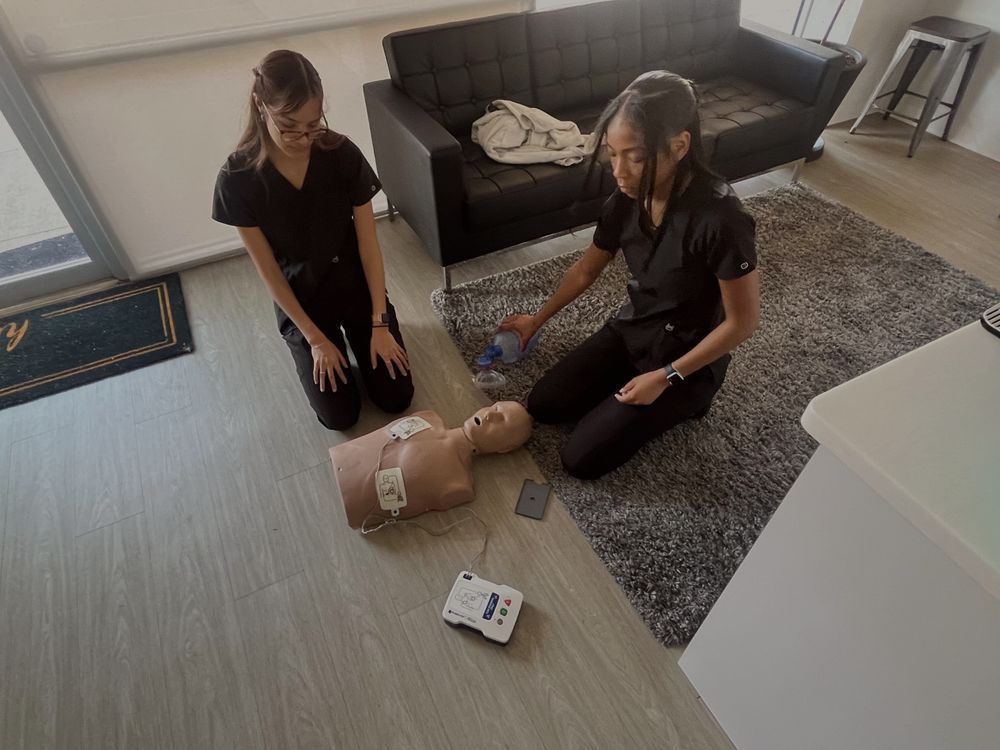
Even though you are already working as a medical assistant, the first—and often most important—step toward becoming an RN is completing high-quality MA training that strengthens your clinical foundation. Many students begin their healthcare career without a clear plan for long-term progression. Completing an accelerated program like Pulse ensures you meet industry standards, build advanced hands-on skills, and prepare yourself for more rigorous nursing coursework later.
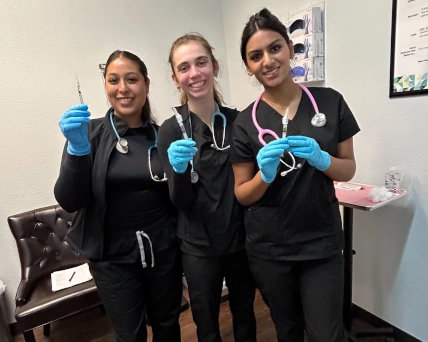
Accelerated MA programs offer a broad introduction to clinical workflows, patient communication, vital signs, phlebotomy, injections, and basic anatomy and physiology. These skills provide the backbone of patient care—and nurses rely on them daily. If your initial entry into healthcare did not include in-depth training, completing a reputable program now can elevate your expertise and strengthen future nursing school applications.
Strong MA training also builds your confidence with clinical tasks. Nursing programs are academically demanding and expect students to work in labs, simulations, and clinical rotations with patients from day one. When you’ve mastered hands-on skills through accelerated MA training, you enter these environments already prepared and capable. That gives you a noticeable advantage over peers who are experiencing patient care for the first time.
Step 2: Gain Clinical Experience in a Real Healthcare Setting
Once you have a strong training foundation, the next step in transitioning into nursing is gaining real-world clinical experience. Medical assistants interact with patients constantly—taking vitals, preparing exam rooms, assisting with procedures, documenting in electronic health records (EHRs), and coordinating care between patients and providers. This experience is invaluable, and it counts heavily when applying to nursing programs.
Working as an MA introduces you to the daily rhythm of clinical care. You learn how to communicate with patients who are anxious or in pain, problem-solve quickly in busy clinics, and support physicians and nurse practitioners with essential clinical duties. These experiences translate seamlessly into nursing practice. In fact, many nursing educators say former MAs excel in clinical rotations because they already have patient-facing experience.
Clinical experience also helps you decide which type of nursing pathway aligns with your long-term goals. You might discover you enjoy fast-paced urgent care environments, prefer family medicine, or enjoy working with specialty populations such as pediatrics, orthopedics, or cardiology. The more exposure you gain in healthcare settings, the stronger your perspective becomes when choosing the type of nursing program and eventual RN role that best fits your goals.
Step 3: Complete Nursing Prerequisites and Choose Your RN Path
To become a registered nurse, you must complete specific prerequisite coursework before entering an accredited nursing program. These classes give you the scientific foundation needed for nursing school’s advanced anatomy, pharmacology, and pathophysiology requirements. Common prerequisites include:
Anatomy and physiology I & II
Microbiology
Chemistry
Human growth and development
Nutrition
College-level English and math
Because medical assisting programs vary widely, some MAs already have completed a portion of these prerequisites. Others begin from scratch. Either way, your clinical experience as an MA—and your training—helps you approach these courses with more context and clarity than students entering from non-clinical backgrounds.
Choosing your RN pathway is the next key step. You have multiple options:
Associate Degree in Nursing (ADN): Typically 18–24 months
Bachelor of Science in Nursing (BSN): Typically 3–4 years
Accelerated BSN (ABSN): For students who already hold a non-nursing bachelor’s degree
MA-to-RN bridge programs: Designed specifically for experienced medical assistants transitioning into nursing
If your long-term goals include leadership roles, public health, advanced practice nursing (NP), or hospital-based RN positions, a BSN may be the stronger choice. If you prefer to enter the workforce faster and build from there, starting with an ADN and later completing an RN-to-BSN bridge program can be a flexible and affordable path.
Step 4: Apply to Nursing Programs and Prepare for the Commitment
Once your prerequisites are complete, you can apply to nursing programs. Competitive nursing programs look for applicants who demonstrate clinical experience, professionalism, strong academic performance, and a clear commitment to patient care. As a medical assistant, you already have an advantage—admissions committees value hands-on patient interaction and familiarity with clinical settings.
The application process typically includes:
The application process typically includes: Submitting transcripts
Completing entrance exams (such as TEAS or HESI)
Providing letters of recommendation from healthcare employers
Writing a personal statement detailing your experience and goals
Passing background checks and immunization requirements
Your time as an MA gives you real stories to pull from when explaining why you want to become a nurse. You’ve already seen the difference nurses make in patients’ lives. You’ve assisted during exams, supported patients emotionally, and helped clinicians manage the flow of care. These experiences create a compelling narrative that nursing programs love to see.
Once accepted, it’s important to prepare mentally and financially for the intensity of nursing school. Programs involve long hours of study, weekly clinical rotations, simulation labs, and examinations. Many MAs continue to work part-time during school, which offers additional clinical context and financial support. However, balancing work and academics requires planning—something many MA-to-RN students navigate successfully.
Step 5: Graduate, Pass the NCLEX-RN, and Begin Your RN Career
The final step in your transition is completing nursing school, passing the NCLEX-RN licensure exam, and becoming a registered nurse. The NCLEX is a rigorous, computerized exam designed to measure your ability to apply nursing knowledge to real clinical decisions. Because MAs already have clinical context, many find that studying for the NCLEX feels slightly less overwhelming than it does for students without healthcare experience.
Once you pass the exam and receive your RN license, you can begin applying for nursing positions in a wide range of healthcare settings, including:
Hospitals
Primary care offices
Emergency departments
Outpatient specialty clinics
Long-term care facilities
Home health
Surgical centers
Telehealth and remote care roles
Your background as a medical assistant continues to benefit you well into your nursing career. You’ll enter the RN profession with strong patient communication skills, a detailed understanding of clinical workflows, and firsthand appreciation for the teamwork required in healthcare settings. Many employers value former MAs as new nurses because they adapt quickly, anticipate clinical needs, and have already built foundational care skills long before entering the RN profession.
From there, your opportunities continue to expand. Nursing is one of the most flexible, growth-oriented careers in healthcare. You can pursue nursing specialties such as pediatrics, critical care, obstetrics, oncology, cardiology, or behavioral health—or continue your education toward advanced practice roles like nurse practitioner (NP) or nurse anesthetist (CRNA).
Your MA Experience Gives You a Head Start
The journey from medical assistant to registered nurse is a meaningful and achievable pathway. Your MA experience gives you a solid clinical foundation, strong communication skills, and a deep understanding of patient care that directly supports your success as a future RN. By starting with accelerated training, building clinical experience, completing prerequisites, and choosing your nursing pathway, you set yourself up for long-term success in a rewarding and growing profession.
If you’re just beginning your healthcare journey—or want to strengthen your skills before applying to nursing school—Pulse Medical Assistant School is an online-first, 16-week medical assistant program with intensive, in-person labs that give aspiring medical assistants the confidence to help real patients receive real care. Pulse helps you build the hands-on foundation you need today while preparing you for continued success as you grow into advanced healthcare roles tomorrow.
You're only a few months from the medical assistant career you deserve.