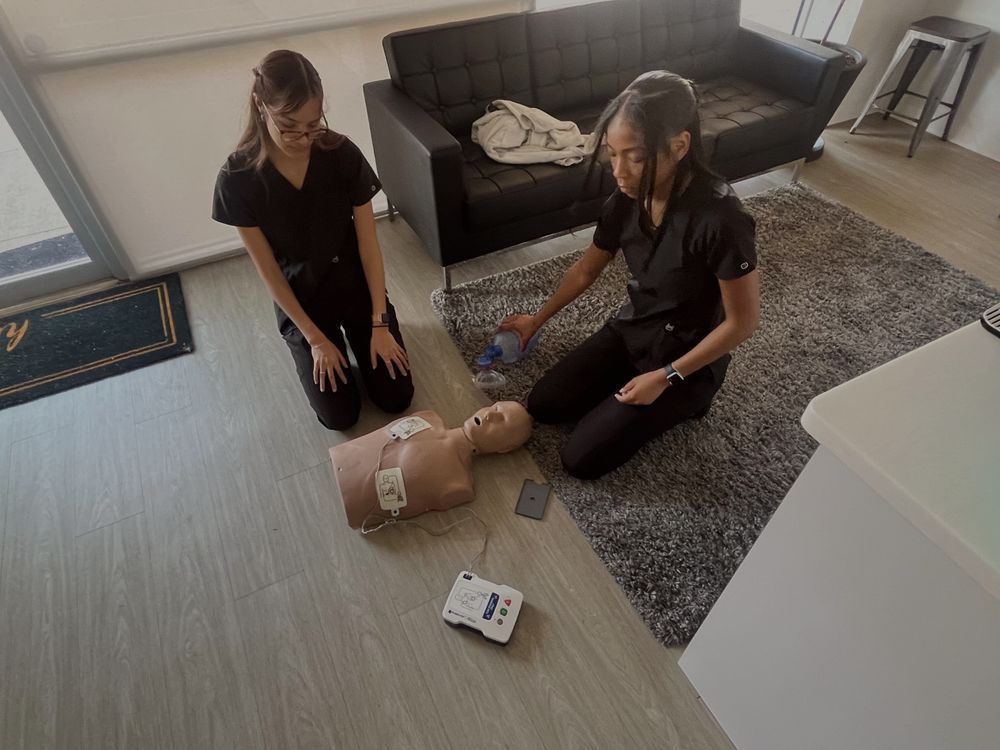
How to Turn a Medical Assistant Job Into a Long-Term Healthcare Career

How to Turn a Medical Assistant Job Into a Long-Term Healthcare Career
A career as a medical assistant is one of the fastest ways to enter the healthcare field—and for many professionals, it’s also the first step toward something bigger. Medical assisting gives you hands-on experience with patient care, exposure to clinical workflows, and a close-up understanding of how healthcare teams operate. Because of this foundation, an MA role can become the launching pad for nearly any long-term healthcare pathway, from nursing to healthcare administration to advanced clinical specialties.
But moving from a medical assistant position to a long-term career takes intention. The good news? You don’t need decades of experience to start advancing. With the right strategy, training, mindset, and career planning, medical assistants can open doors to higher-paying roles, leadership opportunities, and specialized positions that match their long-term professional goals. Below, we explore five proven ways to turn your MA experience into a thriving, lifelong healthcare career.
Continue Building Your Clinical Skills and Certifications
The more clinical skills you acquire as a medical assistant, the more career paths become available to you. MAs who get comfortable with hands-on procedures stand out to employers and build a foundation that translates directly into advanced roles.
Start by mastering everything within your current scope of practice. Draw blood confidently, take accurate vitals, assist with minor procedures, handle EKGs, administer injections (where allowed), and maintain proficiency with electronic health records. These skills demonstrate competence and reliability—qualities supervisors look for when deciding whom to promote or encourage to pursue further training.
Once you feel confident in your foundational abilities, consider pursuing additional certifications. Specialized credentials help you gain expertise in essential areas and make you more competitive when applying for future programs or new jobs. Popular certifications include:
Certified Clinical Medical Assistant (CCMA)
Registered Medical Assistant (RMA)
Certified EKG Technician (CET)
Certified Phlebotomy Technician (CPT)
Each certification boosts your resume, increases employer trust, and often leads to expanded responsibilities or pay increases. Beyond that, diversified clinical experience makes the transition into nursing, lab technology, radiology, or other patient-care roles easier and smoother when you decide to advance.
Seek Opportunities for Leadership and Responsibility
If your long-term goal is a leadership role in healthcare, such as lead medical assistant, clinic supervisor, or even department manager, start building those skills early. Leadership opportunities often appear long before you feel “ready,” and taking them on can dramatically reshape your career trajectory.
Begin by volunteering for tasks that require additional responsibility. This may include training new employees, managing inventory, organizing schedules, or helping with workflow improvements. These seemingly small tasks demonstrate initiative and can set you apart as someone committed to the clinic’s success.
Communication is another essential skill. Strong communicators—those who can clearly relay information to providers, reassure patients, and collaborate across teams—naturally become leaders. If your workplace offers leadership development programs or workshops, take advantage of them. Many clinics also have mentorship opportunities, allowing experienced team members to guide new employees.
As you build leadership experience, document it. Keeping track of accomplishments, including any measurable improvements (like reduced wait times or improved efficiency), helps you build a stronger resume. Eventually, this hands-on leadership experience can prepare you for supervisory roles or help you stand out when applying to nursing, medical, or healthcare administration programs.
Use Your MA Experience as a Stepping-Stone to Advanced Clinical Careers
Medical assisting is one of the best launchpads for advanced clinical roles because it offers exposure to both administrative and patient-facing responsibilities. MAs observe the healthcare system from multiple angles, giving them a strong sense of which long-term pathway fits best.
Common career paths that medical assistants transition into include:
Common career paths that medical assistants transition into include: Nursing (LPN or RN)
Many MAs pursue nursing because they already understand patient care workflows. Your clinical background gives you a significant advantage during nursing school, especially when learning skills like injections, specimen collection, and patient communication.
Radiologic Technology
Radiology programs often welcome applicants with direct patient-care experience. MAs with strong attention to detail and a passion for technology may find this a natural fit.
Medical Laboratory Technology
If you enjoy phlebotomy, specimen processing, and diagnostic testing, a role as a laboratory technician or technologist may be appealing.
Respiratory Therapy
For MAs who thrive in fast-paced environments or enjoy working closely with patients with chronic or acute respiratory conditions, respiratory therapy offers strong career growth.
For MAs who thrive in fast-paced environments or enjoy working closely with patients with chronic or acute respiratory conditions, respiratory therapy offers strong career growth.
Specialized Medical Assistant Roles
Some MAs choose to advance by specializing within the MA profession itself. Opportunities include dermatology MAs, ophthalmic MAs, orthopedic MAs, cardiology MAs, and more—each offering its own training paths and higher earning potential.
Regardless of your chosen direction, your time as a medical assistant provides the foundational, real-world experience that admissions committees value. You’ve already proven your ability to handle patient interactions, understand clinical protocols, and thrive in a healthcare environment—giving you a strong advantage in competitive programs.
Pursue Additional Education to Open New Career Pathways
Education is often the bridge between where you are now and where you want to be in your healthcare career. Fortunately, there are many high-impact ways for medical assistants to pursue additional training without pausing their careers.
Some MAs choose short-term certificate programs that allow them to specialize or grow into roles that offer higher pay or deeper clinical involvement. Others pursue degree programs—often part-time or online—to expand their future opportunities. Educational paths MAs commonly pursue include:
Associate Degree in Healthcare Administration
This is an excellent choice for those who enjoy administrative work, scheduling, billing, patient management, or clinic operations.
Associate Degree in Nursing (ADN) or Bachelor of Science in Nursing (BSN)
The fastest-growing career transition for MAs is becoming a licensed nurse. Your hands-on experience makes nursing school more manageable, and the long-term salary growth is substantial.
The fastest-growing career transition for MAs is becoming a licensed nurse. Your hands-on experience makes nursing school more manageable, and the long-term salary growth is substantial.
Allied Health Specialties
Many medical assistants transition into areas such as surgical technology, medical imaging, dental assisting, physical therapy assisting, and more. These programs often require healthcare experience for admission—which your MA background already provides.
Healthcare Technology and Informatics
If you enjoy using electronic health records or problem-solving operational challenges, informatics offers strong long-term career potential. MAs with a talent for understanding clinical software often find new opportunities here.
No matter which educational direction you choose, your time as a medical assistant strengthens your application and gives you a foundation to succeed. Even better? Most programs value your clinical hours, patient exposure, and experience working with interdisciplinary teams.
Build Networking Relationships Within Your Workplace and the Healthcare Community
Healthcare is a relationship-driven industry. One of the strongest predictors of long-term career success is the ability to build positive, professional connections with coworkers, supervisors, physicians, and specialists. Networking may seem like a buzzword, but in healthcare, it truly matters.
Start within your current workplace. Ask senior staff about their own career paths and what led them to where they are now. Many are willing to share advice, recommend courses, or keep you in mind for new opportunities.
Collaborating with providers, nurses, and administrators also allows people to see your work ethic firsthand. When leadership roles or advanced training opportunities arise, you’ll already be someone they trust.
Beyond the workplace, consider joining professional organizations or attending local healthcare events. These give you access to job opportunities, mentorship, and educational programs you may not have known about otherwise. They also help you stay updated on industry trends, which is essential for anyone aiming to grow in the healthcare field.
Networking isn’t about asking for favors—it’s about building genuine, professional relationships that help you learn, grow, and contribute. Over time, these connections become the support system that helps you move from a medical assistant position to the healthcare career you envision.
Find a Career in Healthcare
Find a Career in Healthcare A job as a medical assistant is more than just an entry-level role—it can be the beginning of a long, fulfilling, and meaningful career in healthcare. By intentionally growing your skills, stepping into leadership opportunities, pursuing additional education, and building strong professional relationships, you can turn your MA position into a powerful career foundation.
Whether you plan to become a nurse, administrator, specialist, or clinic leader, each step you take as a medical assistant brings you closer to your long-term goals. The future is wide open—and the healthcare field needs dedicated professionals like you to fill vital roles across every specialty.
If you’re ready to start—or advance—your journey, Pulse Medical Assistant School can help you take the first step. Pulse is an online-first, 16-week medical assistant program with intensive, in-person labs that give aspiring medical assistants the confidence to help real patients receive real care. Your long-term healthcare career starts with the right training—and Pulse is here to support you every step of the way.
You're only a few months from the medical assistant career you deserve.