How You Can Stand Out as a Candidate During the Medical Assistant Hiring Process

How You Can Stand Out as a Candidate During the Medical Assistant Hiring Process
Breaking into the healthcare field is exciting, especially for aspiring medical assistants ready to bring compassion, organization, and hands-on skill to patient care. But because medical assisting is one of the fastest-growing healthcare roles today, candidates need more than basic qualifications. Employers want applicants who can contribute to a smooth workflow, support clinical teams, and create an excellent patient experience from day one. Standing out isn’t about being perfect—it’s about demonstrating potential, confidence, and a proactive attitude that hiring managers instantly recognize.
Whether you’re applying for your very first medical assistant role or looking to transition into a new clinic or specialty, there are practical strategies that can elevate your application above the rest. From mastering interview skills to showcasing the right certifications, every step is an opportunity to highlight your commitment to healthcare. Below are five ways to ensure you shine throughout the medical assistant hiring process and position yourself as a strong, memorable candidate.
Demonstrate Hands-On Competency With Real Clinical Skills
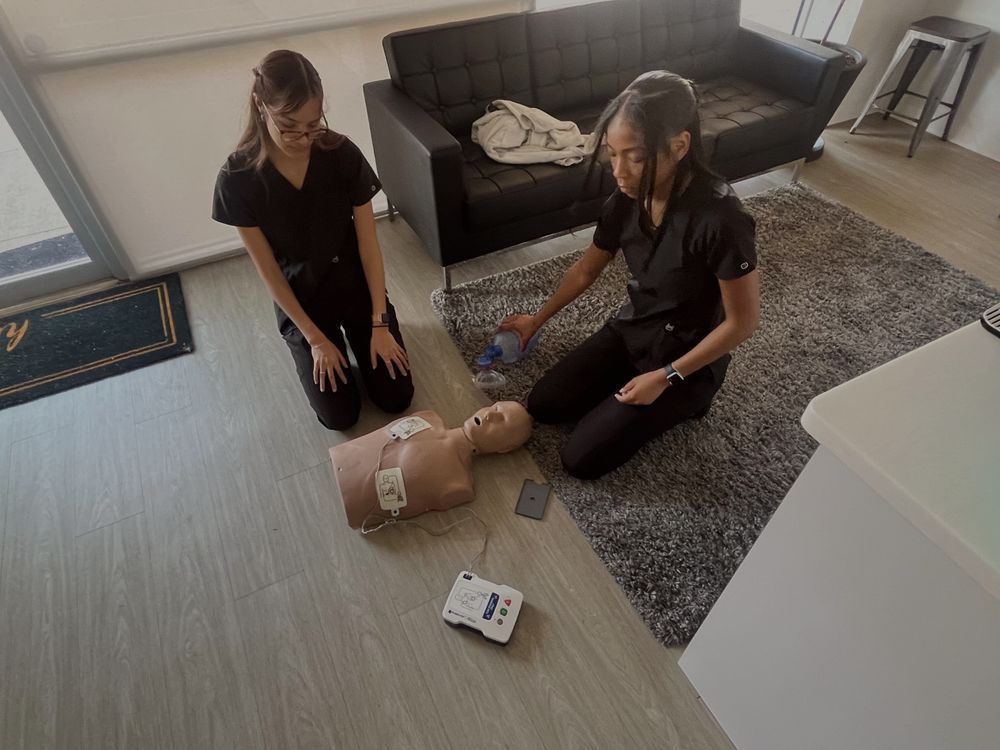
One of the quickest ways to stand out during the hiring process is to show that you’re already comfortable performing the hands-on tasks medical assistants use every day. Employers want applicants who can step confidently into patient rooms, support providers efficiently, and maintain accuracy in clinical procedures.
This means demonstrating proficiency in essential skills such as taking vital signs, preparing exam rooms, performing injections depending on state guidelines, completing EKGs, conducting specimen collection, and accurately charting patient information. When a hiring manager sees that you don’t just know these tasks—but have practiced them—they’re more likely to see you as a low-risk, high-value hire.
To make these skills shine during your interview, be specific. Instead of saying, “I’ve taken vitals before,” describe a scenario from training or externships. For example: “During my laboratory training, I routinely collected vital signs for simulated patients using manual and automated devices, and I practiced documenting the results in EHR platforms.”
These details offer proof of experience and help hiring managers picture you on their team. If you completed an externship or practical labs, highlight how those experiences strengthened your confidence in real-world clinical tasks.
Showcase Your Communication and Patient-Facing Abilities
Medical assistants are often the first and last people patients interact with during visits. Your communication style, tone, and professionalism directly influence a patient’s comfort and the overall experience they have at the clinic. Hiring managers look closely for candidates who show empathy, clarity, and calmness—even under pressure.
Great communication involves far more than speaking politely. It includes active listening, conveying instructions clearly, asking thoughtful questions, using appropriate medical terminology, and noticing when a patient needs reassurance or additional explanation. During interviews, employers will assess how well you listen, how confidently you respond, and how smoothly you build rapport.
To stand out, be ready with examples of meaningful interactions you’ve had during training or in previous customer-facing roles. For instance:
“During my externship, I noticed many patients were nervous during EKGs. I made it a habit to explain each step before starting the procedure, which helped reduce anxiety and built trust.”
This not only shows that you’re capable—it shows that you care. It demonstrates emotional intelligence, an essential quality for anyone involved in patient care.
It can also help to mention any languages you speak fluently, your comfort with phone-based communication, or experience handling sensitive conversations. All of these skills can make you an invaluable asset to a medical team.
Highlight Your Digital and Administrative Skills
Today’s medical assistant role requires a blend of clinical and administrative abilities. Clinics rely on electronic health records (EHRs), digital scheduling systems, e-prescription platforms, and patient portals. Demonstrating that you’re tech-savvy and efficient with administrative workflows is a powerful way to rise above the competition.
Many hiring managers will ask questions about EHR experience, multitasking abilities, or comfort working at the front desk during busy periods. Even if you’ve only used EHRs during training, mention the platforms you’ve worked with and the tasks you’ve completed—such as entering patient histories, updating charts, coding procedures, or sending referrals.
If you have customer service experience in retail, hospitality, or another administrative field, don’t hesitate to draw parallels. Many of the most valued medical assistant administrative skills come from outside healthcare, including:
Managing schedules or appointments
Handling complaints or concerns
Processing payments
Maintaining detailed records
Working with confidential information
Working with confidential information Balancing busy workloads
You can also stand out by demonstrating comfort with digital communication tools or by discussing your ability to adapt quickly to new software. Clinics value MAs who can learn quickly and improve the efficiency of the team.
Bring a Professional, Prepared, and Positive Interview Presence
An impressive interview can set you apart even from more experienced candidates. Employers want someone who not only has strong clinical training but also demonstrates professionalism, preparedness, and a strong work ethic.
A standout interview presence begins well before you enter the room. Start by researching the clinic, its specialties, its patient population, and its values. Mentioning what you’ve learned shows initiative and genuine interest. Prepare thoughtful questions that go beyond basic scheduling or salary inquiries, such as:
“What qualities make medical assistants successful in your clinic?”
“How does your team approach patient communication during busy hours?”
“What opportunities exist for professional growth within your practice?”
These questions show that you’re serious about the role long-term and committed to continuous improvement.
In addition, practice structured answers to common interview questions. Use the STAR method—Situation, Task, Action, Result—to describe your past experiences with clarity and confidence. Even if you’re new to healthcare, you can reference customer service roles, volunteer work, personal challenges, or your training program.
Your demeanor matters as much as your answers. Maintain confident posture, make eye contact, and show enthusiasm for the position. Clinics want team members who bring positivity to the workplace, especially during stressful days. A friendly, motivated candidate often stands out more than someone who appears nervous or unprepared.
Demonstrate Your Commitment to Growth Through Training and Certification
Employers want candidates who invest in their education, stay updated on best practices, and take their future careers seriously. One of the strongest ways to stand out during the hiring process is by earning a high-quality medical assistant certification through a reputable, hands-on training program.
Certification communicates reliability, commitment, and readiness. It shows hiring managers that you’ve completed a structured curriculum, spent meaningful time in clinical labs, and demonstrated your skills through assessments or externships.
If you attended an accelerated program with in-person labs, highlight this prominently. Employers know that hands-on practice is critical for developing clinical confidence. Mentioning the procedures you performed, the hours you completed, and the feedback you received from instructors or supervisors can significantly strengthen your credibility.
Additionally, showing interest in continued learning helps you stand out even further. You might mention future goals such as specializing in pediatrics, dermatology, OB/GYN, or orthopedics—or pursuing additional certifications in phlebotomy, EKG technology, or medical coding. This shows that you’re driven, forward-thinking, and eager to keep developing professionally.
Remember: hiring managers want long-term contributors. When you express enthusiasm for growth, you’re positioning yourself as someone worth investing in.
You Can Stand Out With Preparation, Training, and Confidence
You Can Stand Out With Preparation, Training, and Confidence The medical assistant hiring process doesn’t have to feel overwhelming. With the right preparation and mindset, you can stand out as a candidate who’s skilled, motivated, and ready to make a real difference in patient care. Employers look for more than technical ability—they want communicators, problem-solvers, fast learners, and compassionate team members. By demonstrating hands-on experience, strong communication, digital competence, professionalism, and ongoing commitment to growth, you’ll be well on your way to securing the job you want.
If you’re serious about becoming a standout candidate, the right training program can make all the difference. Pulse Medical Assistant School is an online-first, 16-week medical assistant program designed to equip students with the perfect blend of flexibility and clinical rigor. With intensive, in-person labs and hands-on training, Pulse gives aspiring medical assistants the confidence and practical skills needed to help real patients receive real care.
You're only a few months from the medical assistant career you deserve.