Is Medical Assisting a Good Job for Introverts_

Is Medical Assisting a Good Job for Introverts?
Choosing a career is a highly personal decision, and personality type plays a major role in finding the role that feels both energizing and sustainable. For introverts—people who draw energy from calm environments, reflective thinking, and meaningful one-on-one interactions—the idea of working in healthcare may seem intimidating at first. Many imagine hospitals as loud, fast-paced environments where constant communication is required, but the reality of medical assisting paints a far more balanced picture.
Medical assisting is one of the few healthcare roles that blends structure, routine, and patient interaction without requiring constant extroversion. Introverts often thrive in roles that involve organized tasks, deep focus, and a supportive team environment—all of which are central to being a medical assistant (MA). With the right training and environment, medical assisting can be a rewarding, stable, and surprisingly comfortable career choice for quieter personalities. Below are five reasons why medical assisting can be an excellent job for introverts.
Medical Assistants Often Perform Independent, Focused Work
One of the biggest misconceptions about medical assisting is that it requires nonstop social engagement. While patient communication is part of the job, a large portion of MA responsibilities involve independent, task-driven work—something many introverts naturally excel at.
Medical assistants regularly perform duties such as preparing examination rooms, updating patient charts, measuring vital signs, organizing supplies, sterilizing equipment, and managing electronic health records. These responsibilities require concentration, attention to detail, and the ability to work methodically—skills introverts typically possess in abundance. Much of the clinical workflow is structured, predictable, and calm, allowing introverts to settle into a steady routine without feeling overwhelmed by constant interaction.
Additionally, administrative tasks like scheduling appointments, managing paperwork, updating insurance information, or communicating through patient portals offer introverts an opportunity to contribute meaningfully through focused, behind-the-scenes work. These responsibilities often take place in quieter settings such as offices, exam rooms, or reception areas where concentration is valued.
In many clinics, MAs perform these tasks independently or with minimal supervision, making it easier for introverts to feel comfortable, confident, and efficient.
Patient Interactions Are Structured and Purpose-Driven
Introverts don’t dislike people—they simply prefer meaningful, predictable interactions over spontaneous or large-group communication. Medical assisting provides exactly that: one-on-one, structured conversations that follow a clear purpose.
When a medical assistant interacts with a patient, the goal is typically defined: take vitals, gather medical history, explain instructions, or prepare the patient for the provider. These conversations rarely require small talk or emotional labor beyond being kind, clear, and professional. Instead of navigating social ambiguity, introverts can rely on scripts, clinical training, and repeatable processes that make communication feel much more manageable.
This predictability also helps introverts build confidence over time. The more patients they meet, the more natural the flow becomes, and the less draining each interaction feels. Many introverts actually enjoy these focused, one-on-one moments because they provide a sense of connection without overwhelming stimulation.
In fact, introverted MAs often form strong rapport with patients precisely because they listen deeply, communicate calmly, and make people feel seen—traits that are incredibly valuable in healthcare.
Medical Environments Value Calm, Steady Personalities
Healthcare settings often rely on professionals who remain calm, even during busy or uncertain situations. Introverts’ natural strengths—thoughtfulness, self-regulation, and steady presence—make them ideal contributors in fast-paced environments.
Doctors and nurses frequently appreciate medical assistants who:
Stay organized
Keep exam rooms running smoothly
Notice small details others may overlook
Maintain professionalism even when the workplace gets hectic
Offer patients a sense of reassurance through quiet confidence
Rather than rewarding constant outward energy, medical assisting values individuals who can focus, observe, and maintain composure. When the front desk gets busy or the schedule runs behind, a level-headed medical assistant helps stabilize the workflow.
Medical offices also vary widely in pace and atmosphere. Introverts who prefer quieter environments may find their niche in:
Primary care clinics
Specialist offices (dermatology, ophthalmology, podiatry, etc.)
Outpatient centers
Private practices
Community health settings
These workplaces often offer a calm, predictable rhythm—ideal for those who prefer thoughtful, structured workdays.
Medical Assisting Offers Skill Variety Without Sensory Overload
For introverts, an ideal career often includes variety without chaos. Medical assisting strikes that balance perfectly. The role blends clinical tasks, administrative work, and patient support in a way that keeps each day engaging without feeling overwhelming.
Introverts get to practice and expand skills such as:
Taking vital signs
Administering injections (in many states)
Performing EKGs
Drawing blood
Organizing patient charts
Using electronic health record systems
Coordinating with providers on patient care
This mix allows introverts to shift between interaction and quiet, focused work throughout the day. If a morning feels socially exhausting, the afternoon may include charting or room prep. If admin work becomes too routine, a series of clinical tasks may re-energize the day.
The balance between structured work and meaningful patient interaction is one of the biggest reasons introverts thrive in this profession. It provides steady engagement without the constant social demands found in sales, customer service, or other high-interaction roles.
Introverts Excel in the Emotional Intelligence Required for Patient Care
Many people mistakenly assume that extroverts are naturally better at patient-facing roles, but medical assisting requires something different: empathy, patience, and the ability to create calm environments.
Introverts often shine in these areas.
They tend to be:
Excellent listeners
Deeply empathetic
Observant of subtle details in patient behavior
Thoughtful in how they explain instructions
Respectful of personal boundaries
Skilled at building quiet trust
Patients—especially those who are anxious, elderly, or managing chronic conditions—often appreciate medical assistants who move at a gentle pace and offer reassurance without overwhelming them.
This emotional intelligence is a powerful asset in healthcare. It not only improves the patient experience but also strengthens the entire clinical team. Providers rely on MAs who can gather accurate information, calm nervous patients, and help create a smooth visit.
Introverts’ natural strengths make them highly effective in these patient-care moments, often leading to fulfilling, meaningful workdays.
A Rewarding Career Path for Introverts
A Rewarding Career Path for Introverts Medical assisting is far more introvert-friendly than many people assume. The role blends independence, routine, focused work, and purposeful patient interaction—making it a great fit for people who prefer calm environments and meaningful communication. With a wide variety of workplaces and career paths available, introverts can choose settings that match their preferences and strengths.
If you’re an introvert looking for a stable, rewarding career where you can make a real impact without draining your energy, medical assisting is absolutely worth considering. With the right training, you can gain the skills, confidence, and hands-on experience needed to thrive in this in-demand healthcare field.
Train for a Medical Assisting Career That Fits Your Personality
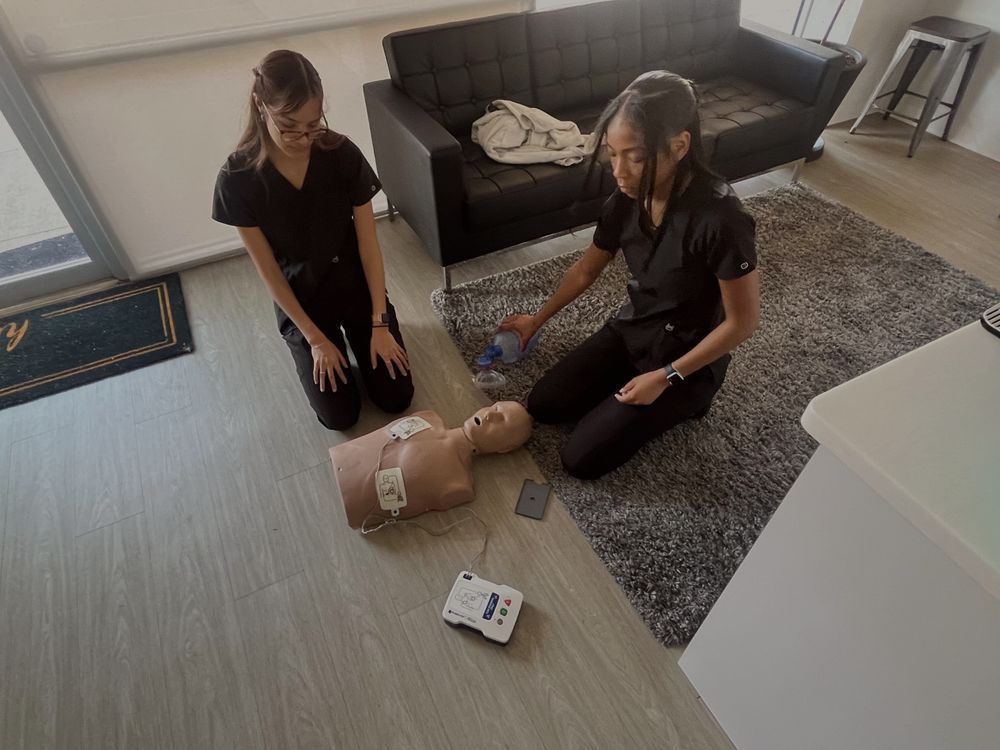
Train for a Medical Assisting Career That Fits Your Personality If you’re ready to begin a career that values your strengths, Pulse Medical Assistant School can help you get there. Pulse is an online-first, 16-week medical assistant training program that includes intensive, in-person labs to help students build real-world clinical skills. You’ll graduate with the confidence to support providers, care for patients, and excel in a career that matches your natural talents.
You're only a few months from the medical assistant career you deserve.