Is Medical Assisting Right for You, 12 Pros and a Few Cons

Is Medical Assisting Right for You? 12 Pros and a Few Cons
If you’re considering a hands-on career in healthcare that doesn’t require years of expensive schooling, medical assisting might be the perfect fit. Medical assistants are essential members of healthcare teams, supporting physicians, nurses, and patients in clinics, hospitals, and private practices. From taking vital signs and updating records to assisting with procedures and scheduling appointments, medical assistants help keep medical facilities running smoothly while also providing meaningful patient care.
But is medical assisting the right career for you? To help you decide, we’ve outlined 12 compelling benefits of becoming a medical assistant—as well as a few drawbacks to consider. Whether you’re fresh out of high school, changing careers, or returning to the workforce, this list will help you evaluate whether this fast-paced, people-centered profession fits your goals and personality.
12 Pros of Becoming a Medical Assistant
- Quick Entry into the Workforce
Many medical assistant programs, like the one offered by Pulse Medical Assistant School, are designed to be completed in just 16 weeks. That means you can start earning and gaining experience far sooner than in other healthcare roles that require years of education. The relatively short training time appeals to students eager to begin a meaningful career without long delays or overwhelming student debt.
- High Demand Across the Country
According to the U.S. Bureau of Labor Statistics, employment for medical assistants is projected to grow 14% from 2022 to 2032, much faster than average for all occupations. This growing demand is driven by an aging population and expanded access to healthcare services. Job security is a huge benefit in this field, particularly for those seeking stability in an uncertain economy.
- Meaningful Patient Interaction
Unlike back-office healthcare roles, medical assistants work directly with patients every day. Whether you’re checking in patients, recording their symptoms, or offering reassurance during procedures, your role directly contributes to a positive healthcare experience. If you enjoy helping people and building relationships, you’ll likely find this work deeply rewarding.
- Flexible Work Environments
Medical assistants aren’t limited to hospitals. You can work in a variety of healthcare settings, including private practices, urgent care clinics, outpatient centers, and even specialty practices like dermatology or podiatry. This flexibility allows you to find a work environment that fits your personality and lifestyle preferences.
- Diverse Job Responsibilities
No two days are the same for a medical assistant. Your duties could range from drawing blood and taking vital signs to managing appointment scheduling and updating patient records. This variety keeps the job dynamic and helps you build a broad skill set that can open doors to future healthcare roles.
- Stepping Stone to Other Healthcare Careers
Many professionals use medical assisting as a springboard into other areas of healthcare. With your foot already in the door, you can gain hands-on experience and discover whether you’d like to pursue further training in nursing, radiology, or healthcare administration. It’s a strong foundation for career growth without needing to commit to a long-term path right away.
- Competitive Entry-Level Pay
While salaries vary by region and experience level, medical assistants typically earn a competitive wage for a role that doesn’t require a college degree. According to the BLS, the median annual wage for medical assistants in 2023 was about $39,000, with potential to increase based on certifications, specializations, and years on the job.
- Respect and Recognition in the Workplace
Medical assistants are often the glue that holds a healthcare team together. They bridge the gap between patients and providers and are recognized for their adaptability, technical skills, and dedication. Being a valued team member can make your daily work feel purposeful and appreciated.
- Good Work-Life Balance
Most medical assistants work standard full-time schedules, typically during regular daytime hours—especially those in clinics or private practices. This means evenings, weekends, and holidays are often free, allowing for a healthy balance between work and personal life. For those with families or other commitments, this predictability is a major plus.
- Opportunity to Specialize
As a medical assistant, you have the option to pursue a specialty that interests you, such as pediatrics, cardiology, orthopedics, or OB/GYN. Specializing can increase your earning potential and make your daily work more aligned with your personal passions or long-term career goals.
- Low Barrier to Entry
You don’t need a college degree to become a medical assistant. Many programs only require a high school diploma or GED to enroll. With affordable tuition and short training timelines, medical assisting is a realistic and accessible option for many people, including career changers, single parents, and recent grads.
- Strong Community and Support
Many medical assistants report feeling a strong sense of camaraderie with their colleagues. The work is often team-based, and you’ll likely find yourself collaborating daily with nurses, physicians, and other support staff. In a job where your contributions are essential, it’s common to form lasting bonds and friendships.
A Few Cons to Consider
- Physically Demanding Work
Medical assisting can require long hours on your feet, lifting patients or equipment, and keeping up with a fast-paced clinical schedule. If you have physical limitations or prefer a sedentary job, this aspect may be challenging.
- Emotional Stress
Because you’ll interact with patients who may be sick, anxious, or in pain, the job can be emotionally taxing. You may also witness difficult situations or need to assist in stressful procedures. While this makes the job meaningful, it also requires emotional resilience.
- Limited Upward Mobility Without Further Education
While there are opportunities to specialize or take on supervisory roles, significant advancement in healthcare usually requires additional education or certification. If you’re looking to climb the ladder quickly without returning to school, medical assisting may have some limitations.
- Repetitive Tasks
Some parts of the job, like taking vitals or updating charts, can become routine. Although the variety in responsibilities helps offset this, those who crave constant change might find certain tasks repetitive over time.
So, Is Medical Assisting Right for You?
If you’re someone who enjoys helping others, is comfortable with hands-on tasks, and wants a stable and rewarding healthcare career without spending years in school, medical assisting could be a great fit. It offers a unique mix of job security, flexibility, and purpose—and serves as a stepping stone for those who may want to explore other roles in healthcare down the road.
However, like any job, it’s important to be honest with yourself about the challenges. The physical and emotional demands can be tough, and advancement may require additional education. But for many, the benefits far outweigh the drawbacks—especially when backed by the right training and support.
Get Started with Pulse Medical Assistant School
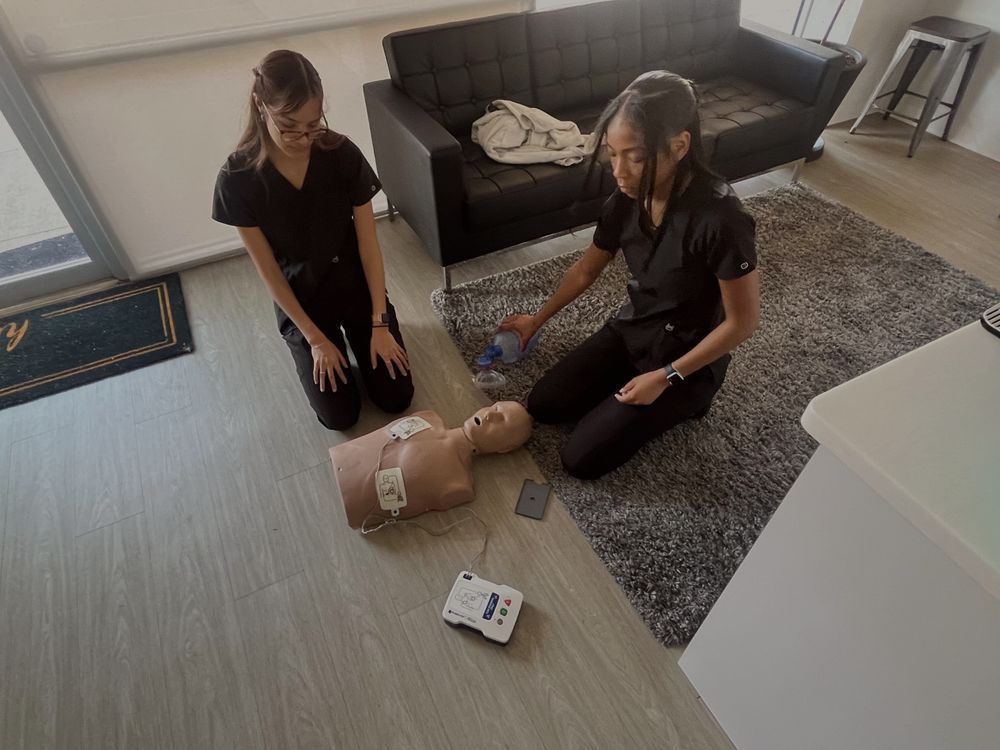
Pulse Medical Assistant School offers a 16-week, online-first training program with intensive in-person labs to help you build real-world skills and confidence. You’ll learn how to support both providers and patients, preparing you for a career that makes a real difference in people’s lives. Whether you’re just getting started or switching fields, Pulse equips you with the tools to succeed as a medical assistant.
Ready to take the first step? Learn more about Pulse’s hybrid training model and how you can begin your medical assisting career today.
You're only a few months from the medical assistant career you deserve.