Job Outlook for Medical Assistants in the Next 10 Years
Job Outlook for Medical Assistants in the Next 10 Years
The healthcare industry is evolving quickly, and one of the most significant changes is the increasing demand for skilled medical assistants. As more clinics, urgent care centers, and specialty practices expand their patient services, the need for professionals who can support both administrative and clinical functions continues to rise. Over the next decade, medical assistants are expected to benefit from strong job security, steady growth, and an expanding range of opportunities across healthcare settings.
If you’re considering a career in medical assisting, the next 10 years present a promising path. With an aging population, advances in medical technology, and a shift toward outpatient care, employers will rely heavily on well-trained medical assistants to keep operations running smoothly. Understanding the job outlook can help you make an informed career decision—and prepare you to enter a field with long-term stability and upward mobility.
Medical Assistant Jobs Will Grow Faster Than Average
Over the next decade, medical assisting is expected to experience faster-than-average growth compared to other occupations. Several factors contribute to this trend, including increased demand for preventive care, expanded healthcare coverage, and a growing population of older adults who require more clinical support. Physician offices, urgent care centers, outpatient clinics, and multi-specialty groups continue to add positions as they see patient volumes rise.
This growth means medical assistants will continue to be essential in bridging the gap between clinical and administrative responsibilities. Healthcare providers increasingly rely on MAs to support workflows by rooming patients, taking vitals, updating medical histories, handling scheduling, and assisting with diagnostic testing. This versatility makes the role indispensable, and employers value candidates who bring both efficiency and strong patient service skills to the team. As a result, new graduates can expect plentiful job openings in both rural and urban areas.
Outpatient Care Settings Will Drive Most New MA Employment
One of the largest shifts in healthcare over the last few years has been the movement from inpatient to outpatient care. Patients are now more likely to receive treatment in ambulatory surgery centers, walk-in clinics, and outpatient specialty practices than in traditional hospitals. This trend is expected to accelerate over the next decade, creating even more opportunities for medical assistants.
Outpatient facilities rely heavily on MAs because they must operate efficiently with leaner clinical teams. Medical assistants support fast-paced environments where patient throughput needs to be high, and they often perform a wider range of duties than in hospital settings. From prepping exam rooms to assisting with minor procedures, they keep care delivery on schedule. This expanded scope of practice in outpatient roles can lead to broader experience, greater autonomy, and accelerated career growth for new graduates entering the field.
Technological Advancements Will Increase Demand for Skilled MAs
Healthcare technology is evolving rapidly, influencing how clinics operate and what skills medical assistants need. In the next decade, MAs will increasingly interact with electronic health records (EHR systems), digital tools, telemedicine platforms, and diagnostic technologies. Clinics are looking specifically for candidates who are comfortable with data entry, digital communication, and technology-assisted workflows.
As telehealth becomes more common, medical assistants will play a key role in virtual patient support. These responsibilities may include prepping patients for virtual visits, coordinating follow-up tasks, reviewing digital forms, or helping providers update remote care documentation. Because clinics want to maintain efficient and seamless digital operations, medical assistants who are well-trained in modern systems will be in high demand.
This emphasis on technology also creates opportunities for MAs to specialize in health informatics, EHR management, or clinical workflow optimization. Over the next decade, clinics will increasingly hire MAs not only for direct patient care but also for roles that blend clinical experience with digital expertise.
Employers Will Seek MAs With Strong Soft Skills and Adaptability
Technical ability is essential, but employers also look for medical assistants who can communicate well, show compassion, work in fast-paced environments, and adapt to changing situations. As clinics continue to expand their services, the ability to multitask, problem-solve, and manage patient interactions will be even more valuable.
Over the next 10 years, the medical assistant role will continue to blend customer service with clinical responsibility. MAs often serve as the first point of contact for patients—explaining procedures, answering questions, taking vitals, and ensuring that patients feel comfortable throughout their visit. Healthcare facilities understand how important this is for patient satisfaction, so they seek team members who can build trust and strong rapport.
Employers will also look for MAs who demonstrate flexibility. Clinics may shift staff between departments, expand into new specialties, or add new procedures. Medical assistants who are eager to learn, willing to take on new responsibilities, and capable of managing both administrative and clinical workflows will have the strongest career prospects.
Career Advancement Opportunities Will Expand for Medical Assistants
The job outlook for medical assistants is strong not only because of job availability, but also because of increasing opportunities for advancement. As the role grows and becomes more specialized, MAs will find pathways into leadership, clinical specializations, and even healthcare administration.
In the next decade, many medical assistants will choose to pursue additional training or certifications in fields such as phlebotomy, EKG technology, or medical billing and coding. Specializing can lead to higher earning potential and opportunities in niche medical practices like dermatology, cardiology, or orthopedics.
Others may use their experience as MAs to grow into related healthcare roles such as:
Practice manager
Lead MA or clinical supervisor
Care coordination specialist
Health informatics assistant
Patient navigator
Scribe program coordinator
Because the medical assistant role offers extensive exposure to clinical environments, it provides a strong foundation for long-term career development. Over the next decade, clinics will continue creating new roles that rely on the hands-on experience MAs bring to the table.
Find a Future in Healthcare
The next 10 years look exceptionally strong for anyone entering the medical assisting field. With accelerated job growth, expanding outpatient services, increasing reliance on healthcare technology, and abundant opportunities for specialization and advancement, medical assistants will remain essential to the healthcare workforce. Whether you’re just starting out or looking to transition into a stable and rewarding career, medical assisting offers a solid path with long-term potential.
If you want to enter the field quickly and with confidence, the right training program can make all the difference.
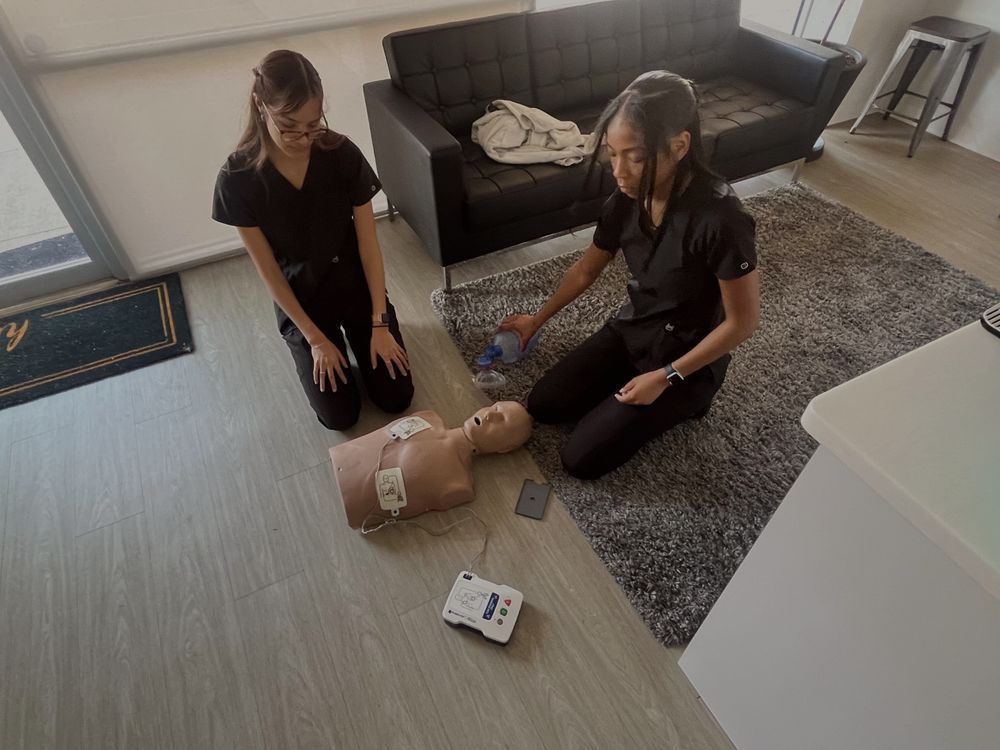
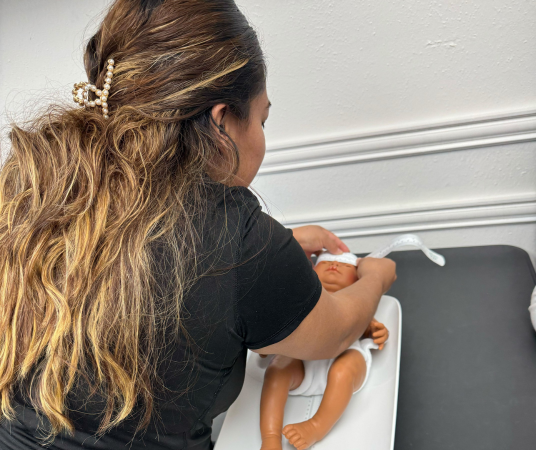
If you’re ready to begin a career with strong job security and meaningful impact, Pulse Medical Assistant School can help you get there. Pulse is an online-first, 16-week medical assistant program that combines flexible virtual learning with intensive, in-person labs designed to prepare you for real clinical environments. You’ll graduate with the skills, hands-on experience, and confidence you need to help real patients receive real care—and to step into a growing field with outstanding opportunities.
Start your path toward a secure and rewarding healthcare career today.
You're only a few months from the medical assistant career you deserve.