LPN vs Medical Assistant: Salary, Training, Scope, and Which Career Fits You
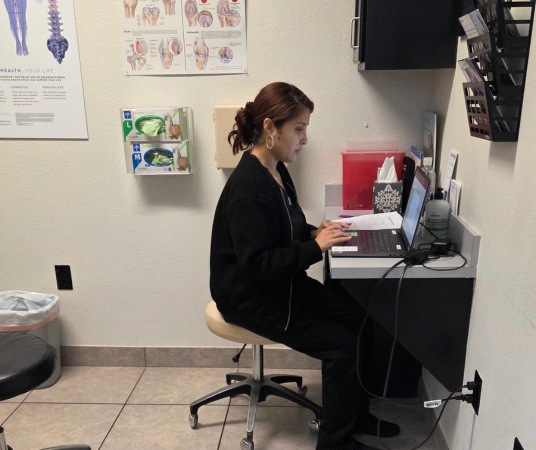
LPN (Licensed Practical Nurse) and medical assistant are both entry-level healthcare careers — but they lead in different directions, require different training investments, and offer different salary trajectories. If you’re deciding between the two, the choice comes down to what kind of work you want to do, how much time and money you can invest in training, and where you see your career in five years.
Here’s the data-driven comparison.
The Direct Comparison
| Factor | Medical Assistant | LPN |
|---|---|---|
| Training time | 16–18 weeks (accelerated) | 12–18 months |
| Training cost | $2,000–$5,000 | $10,000–$25,000+ |
| Median salary | $42,000/year | $54,620/year |
| Job growth | 14% through 2032 | 5% through 2032 |
| Certification | CCMA (recommended) | NCLEX-PN (required) |
| Work settings | Outpatient clinics, offices | Hospitals, nursing homes, clinics |
| Schedule | Standard business hours typical | Shifts, nights, weekends common |
| Scope | Clinical + administrative | Nursing care under RN supervision |
| Student debt | Typically none | Often $10,000–$20,000 |
Salary: LPN Pays More, But the Gap Has Context
LPNs earn approximately $12,600/year more at the median ($54,620 vs $42,000). That’s significant — but it comes with higher training costs, longer time out of the workforce, and often student loan debt.
The time-value calculation:
A medical assistant who completes a 16-week program starts earning $42,000/year roughly 5 months after enrollment. An LPN who completes a 12-month program starts earning $54,620/year roughly 14 months after enrollment.
In the 9-month gap between when the MA starts working and when the LPN starts working, the MA earns approximately $31,500 in salary. The LPN needs roughly 2.5 years of working before cumulative earnings (minus the higher training cost) surpass the MA’s.
Job Growth Favors Medical Assistants
Medical assistant employment is projected to grow 14% through 2032 — nearly triple the 5% growth rate for LPNs. This isn’t because LPN jobs are disappearing — it’s because healthcare is shifting toward outpatient settings where MAs work, and because medical assistants are increasingly being used to handle tasks that maximize provider productivity.
The Work Is Fundamentally Different
Medical assistant daily work
- Taking vitals and rooming patients
- Drawing blood, giving injections, running EKGs
- Point-of-care testing
- Assisting providers during exams and procedures
- EHR documentation, scheduling, insurance verification
- Mix of clinical and administrative tasks
- Outpatient clinics, physician offices, urgent care
LPN daily work
- Administering medications (oral, IM, IV in some states)
- Wound care and dressing changes
- Monitoring patient conditions and reporting to RNs
- Inserting and managing urinary catheters
- Patient assessments within LPN scope
- Hospitals, nursing homes, long-term care facilities, some clinics
- 8- or 12-hour shifts, nights and weekends common
Medical assistants work primarily in outpatient settings with standard business hours. LPNs work across a wider range of settings but more frequently in inpatient and long-term care with shift schedules.
Career Advancement
Medical assistant paths: Lead MA → specialty practice → clinical coordinator → office manager → nursing school (if desired) → allied health careers
LPN paths: Charge nurse → specialty areas (ER, dialysis) → LPN-to-RN bridge programs → RN (BSN/ADN)
The LPN credential is a more direct stepping stone to RN if nursing is your long-term goal. The MA credential offers more flexibility across clinical and administrative career tracks.
Which Makes More Sense for You?
Choose medical assistant if:
- You want to start working in 4–5 months
- You prefer standard business hours
- You want to avoid student debt
- You value having both clinical and administrative skills
- You’re interested in outpatient healthcare settings
- You want career flexibility (clinical, admin, or nursing later)
Choose LPN if:
- You’re committed to nursing as your career path
- You can invest 12–18 months in training before earning
- You’re comfortable with shift work (nights, weekends)
- You want to work in hospitals or long-term care
- You can manage $10,000–$25,000 in training costs
- Higher long-term salary outweighs the delayed start
Get Started in Medical Assisting
Pulse Medical Assistant School offers a 16-week medical assistant program with CCMA certification preparation, hands-on clinical training, and no student loan debt.
- See the full program: Program details
- Review tuition and payment plans: Tuition
- Talk to our team: Contact
- Apply: How to apply
You're only a few months from the medical assistant career you deserve.