MA Certification Program: What Pulse Offers in 16 Weeks (and Why It Works)
Sixteen weeks. That’s all that stands between you and a new career — if you choose the right MA certification program. But “right” doesn’t just mean fast. It means structured, practical, and designed to prepare you for what actually happens in a medical office.
Here’s how the program at Pulse Medical Assistant School works, what you’ll learn, and why the format is built the way it is.
How the 16-week program is structured
Pulse’s MA certification program is broken into two core components that work together:
Online-first learning
The majority of your coursework happens online through live, instructor-led sessions. This isn’t a collection of pre-recorded videos you watch alone — it’s structured, guided learning with real instructors who answer questions, walk through concepts, and keep you on track.
Topics covered online include:
- Medical terminology and anatomy fundamentals
- Administrative skills — scheduling, patient intake, insurance basics, EHR documentation
- Clinical theory — infection control, OSHA protocols, medication administration guidelines
- HIPAA compliance and patient privacy
- Professional communication and workplace readiness
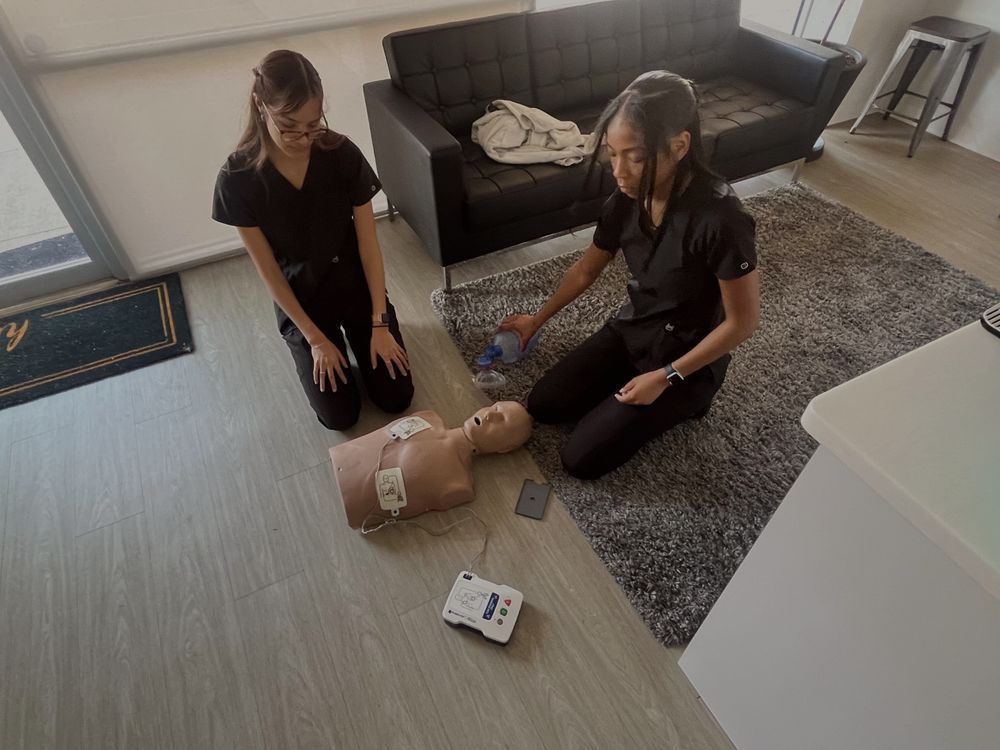
4 intensive, in-person labs
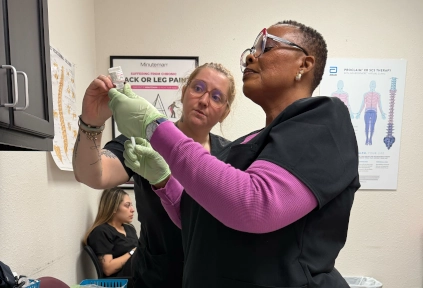
Once a month, you attend an in-person lab session. These are designed to bridge the gap between knowing something and being able to do it confidently:
- Vital signs and patient assessment — blood pressure, pulse, temperature, respiration, and oxygen saturation using real equipment
- Phlebotomy and specimen collection — drawing blood, labeling, and handling specimens properly
- Clinical procedures — injections, EKGs, wound care, and assisting during exams
- Practical skills integration — pulling everything together in simulated clinical scenarios with instructor feedback
The labs are where confidence gets built. Reading about phlebotomy technique is one thing. Actually drawing blood with an instructor watching and correcting you is another.
CCMA exam preparation is included
Pulse’s program includes preparation for the Certified Clinical Medical Assistant (CCMA) exam through the National Healthcare Association. That means:
- Exam prep is woven into the curriculum, not bolted on at the end
- You graduate with the knowledge and practice hours to sit for the exam
- The exam fee is included in your tuition — no surprise costs
Earning your medical assistant certification through the CCMA can signal to employers that you’ve met a recognized standard of competency.
Tuition: $2,990 with flexible payment options
The full program costs $2,990, and Pulse offers weekly payment plans so you can manage the cost without taking on debt. There are no hidden fees — what you see is what you pay.
Review the details: Tuition.
Who this program is built for
Pulse is designed for people who:
- Have busy lives (work, family, other commitments) and need flexible scheduling
- Want real clinical training, not just an online certificate
- Are motivated to start a healthcare career without spending years in school
- Want to earn medical assistant certification without going into debt
Ready to get started?
- See the full curriculum: Program details
- Review tuition and payment plans: Tuition
- Talk to our team: Contact
- Apply: How to apply
You're only a few months from the medical assistant career you deserve.