Medical Assistant Bootcamp vs. Traditional School_ Which Is Better_
Medical Assistant Bootcamp vs. Traditional School: Which Is Better?
Entering the medical field is an exciting decision—but it also comes with choices. One of the most important is deciding how you want to train. Traditionally, students earned a medical assistant (MA) education through a community college or vocational school, completing one- or two-year programs before entering the workforce. But in recent years, medical assistant bootcamps have transformed how learners prepare for this fast-growing career. Bootcamps promise a quicker, more affordable, and more streamlined path into the field, all while offering hands-on training that mirrors real clinical environments.
For many aspiring medical assistants—especially those balancing work, family, and financial responsibilities—the traditional school model can feel too slow, too expensive, or too outdated. Bootcamps, on the other hand, focus sharply on the skills employers want today. Students learn exactly what they need for certification, externships, and day-one readiness in clinics, hospitals, and medical offices. The question becomes: Is a medical assistant bootcamp truly better than a traditional program? The answer depends on your goals, but for many students, the advantages of a modern, accelerated bootcamp are impossible to ignore.
Bootcamps Are Faster and Get You Job-Ready Sooner
One of the biggest advantages of medical assistant bootcamps is speed. Traditional MA programs typically take 12–24 months to complete, especially if they involve general education classes or extended semester schedules. For many students, spending up to two years in school delays their earning potential—and adds unnecessary tuition costs.
Bootcamps, meanwhile, are designed for efficiency. Most run 12–20 weeks and focus only on what matters for certification and employment. No filler courses. No semesters. No wasted time. Students learn clinical and administrative skills back-to-back in a structured, accelerated format that moves them quickly from education to externship to employment.
The faster timeline also benefits adult learners who need to upskill rapidly. Whether someone is changing careers, re-entering the workforce, or looking for more stability, the ability to complete training in under six months gives bootcamps a major advantage. Many employers love bootcamp-trained MAs because they arrive with fresh, up-to-date skills and are ready to contribute immediately.
Bootcamps Cost Less—and Offer Better ROI
Traditional medical assistant schools often come with a hefty price tag. Between general education credits, added fees, textbooks, and lab costs, students may spend $10,000–$30,000 or more on a single program. If the program is part of a community college or private institution, the cost may be even higher. And because the programs take longer to complete, many students also incur additional expenses for housing, transportation, and lost wages.
Bootcamps, on the other hand, are intentionally structured to be much more affordable. With shorter timelines and focused curriculum, they minimize overhead and pass those savings on to students. Many bootcamps cost a fraction of what traditional schools charge—and still provide hands-on labs, certification prep, and externship support.
The return on investment is also significantly better. Because bootcamp grads enter the workforce sooner, they start earning sooner. Rather than waiting years to see a financial payoff, students can begin working almost immediately after completing their program. This combination of lower tuition and faster time-to-employment is one of the strongest reasons bootcamps are becoming the preferred route for aspiring MAs nationwide.
Bootcamps Teach the Skills Employers Want Right Now
Traditional schools often struggle to keep up with industry needs. Their curriculum may be built around decade-old frameworks, outdated processes, or lengthy approval cycles that make it difficult to refresh course content. As a result, some programs still emphasize general education requirements or administrative skills over practical medical knowledge.
Bootcamps solve this problem by working backwards from the employer. Rather than teaching broad, slow-moving curricula, bootcamps design courses specifically around real-world, in-demand medical assistant skills, such as:
Taking patient vitals
Drawing blood
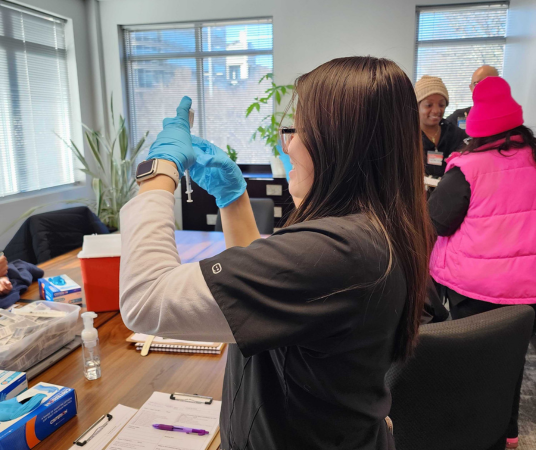
Administering injections
Conducting EKGs
Preparing exam rooms
Preparing exam rooms
Assisting with minor procedures
Medical documentation
Front-office operations
HIPAA and compliance
Electronic Health Records (EHR) software
Because bootcamps collaborate closely with local clinics, physicians, and healthcare organizations, they teach what students actually need on the job—not theoretical concepts that may no longer be relevant. By the time students graduate, they’re not just knowledgeable—they’re confident and capable in real clinical environments.
This employer-aligned curriculum is a major reason why many bootcamp graduates secure jobs quickly after completing their externship hours. They’re trained precisely for the workflow modern healthcare settings rely on every day.
Bootcamps Include Hands-On Learning and Externships That Matter
Some students worry that because bootcamps move quickly, they might lack real experience. In reality, most reputable medical assistant bootcamps offer intensive hands-on labs and externship opportunities that mirror or exceed the training provided in traditional programs.
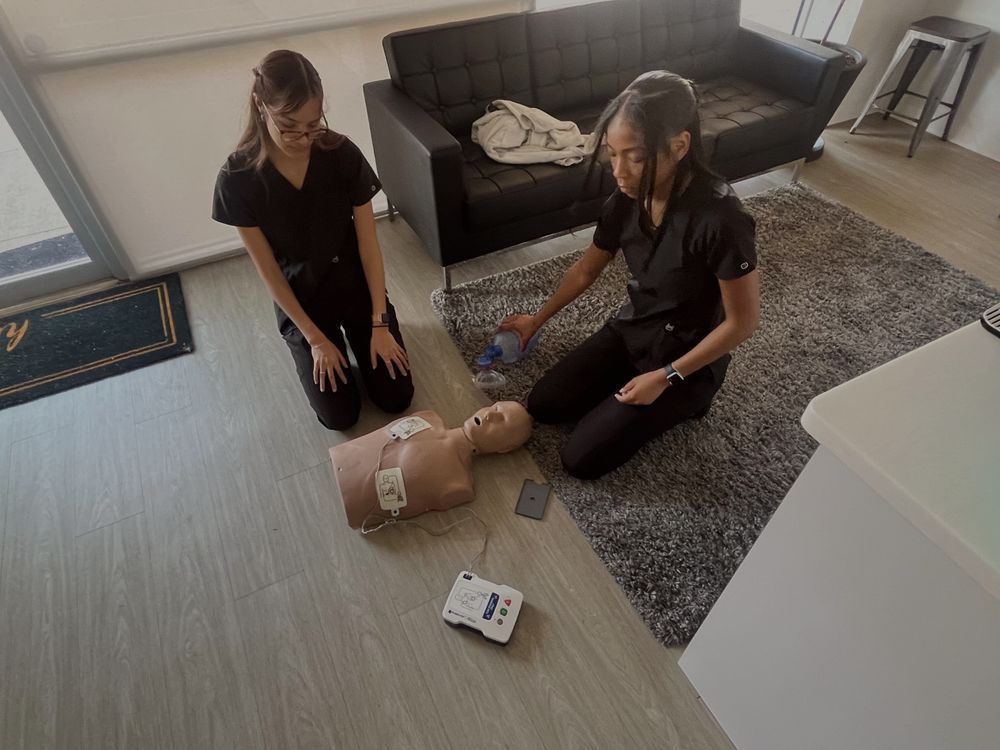
Hands-on labs allow students to practice clinical procedures in a controlled, supervised environment. Bootcamp labs typically include:
Patient simulations
Injection practice
Phlebotomy exercises
EKG administration
Wound care practice
Sterile techniques and instrument setup
These labs are essential for building confidence and muscle memory, which is why the best bootcamps embed them directly into the curriculum rather than treating them as optional extras.
Externships add another layer of professional preparation. Students work in real clinics, hospitals, urgent care centers, or specialty offices alongside experienced medical professionals. They learn how to interact with patients, manage busy workflows, and perform clinical tasks under supervision.
Because employers often hire from their externship sites, these placements are powerful gateways into post-graduation employment. Bootcamp grads frequently report that their externships were the most valuable part of their training—giving them on-the-job experience before ever being hired.
Bootcamps Offer Flexibility That Traditional Schools Can’t Match
In today’s world, most adult learners cannot pause their lives for a two-year program. Traditional schools follow rigid academic schedules, require in-person attendance multiple days per week, and often structure their courses around the needs of the institution—not the student.
Bootcamps flip that model. Many offer hybrid or online-first learning, where students complete their academic coursework from home while attending in-person labs on scheduled days. This structure supports learners who are juggling:
Full-time or part-time jobs
Parenting
Caregiving responsibilities
Financial obligations
Transportation challenges
Busy or unpredictable schedules
Because of their accelerated nature, bootcamps also reduce the burnout students may experience in longer programs. Instead of stretching out over semesters, the content is delivered efficiently, clearly, and in a format built for adults who want fast, focused training.
Many bootcamps also provide wraparound support such as:
Certification exam preparation
Career coaching
Career coaching
Job placement assistance
Resume and interview support
One-on-one academic help
This high-touch model ensures students feel supported from the moment they enroll to the moment they begin their careers.
So, Which Is Better—Bootcamp or Traditional School?
So, Which Is Better—Bootcamp or Traditional School? Both training paths can prepare you for a career in medical assisting, but they serve different types of learners. Traditional programs might appeal to those who want a slower pace, campus life, or broad coursework. But for students who want speed, affordability, relevance, and a clear path to employment, bootcamps offer undeniable advantages.
Bootcamps are:
Faster
More affordable
More practical
More aligned with employer needs
More flexible
More job-focused
For many students—especially adults looking to advance quickly into a stable healthcare role—bootcamps aren’t just the better option. They’re the smarter one.
For many students—especially adults looking to advance quickly into a stable healthcare role—bootcamps aren’t just the better option. They’re the smarter one.
Take the Fastest, Smartest Path Into Healthcare with Pulse Medical Assistant School
Take the Fastest, Smartest Path Into Healthcare with Pulse Medical Assistant School If you’re ready to begin a meaningful career in healthcare without spending years in school, Pulse Medical Assistant School offers the perfect pathway. As an online-first, 16-week medical assistant program, Pulse blends flexible virtual coursework with intensive, in-person labs that give aspiring medical assistants the hands-on experience they need to step confidently into real clinical environments.
Pulse also includes an externship that connects students with real patients and real providers—ensuring you graduate not only educated, but prepared.
If you want a faster, more affordable, and more empowering route into the medical field, Pulse Medical Assistant School gives you everything you need to start helping patients as soon as possible.
You're only a few months from the medical assistant career you deserve.