Medical Assistant Certificate vs. Degree_ What_s the Difference_
Medical Assistant Certificate vs. Degree: What’s the Difference?
Choosing a career in healthcare is one of the most reliable and rewarding decisions you can make—but before stepping into the field, you’ll need the right training. If you’re exploring medical assistant programs, you’ve likely noticed two primary educational paths: a medical assistant certificate and a medical assistant degree. Both can prepare you for a meaningful clinical or administrative role, yet they differ in cost, timeline, depth of study, and long-term career impact.
Understanding these differences will help you make the best decision for your goals, your budget, and your timeline. Below, we break down the key distinctions so you can confidently choose the training that fits your life.
What Is a Medical Assistant Certificate?
What Is a Medical Assistant Certificate? A medical assistant certificate—sometimes called a diploma or certification program—is a short, focused training option designed to prepare students for medical assisting roles quickly and efficiently. Most certificate programs last between a few months and one year, depending on the school.
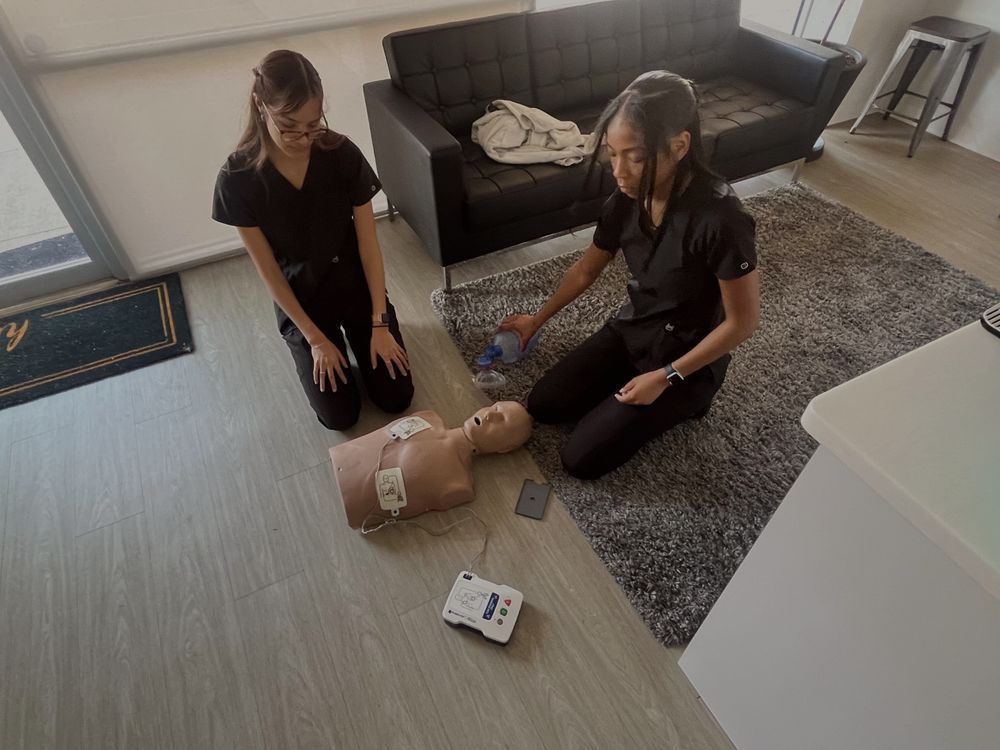
These programs are structured around the essential skills medical assistants need on the job: vital signs, phlebotomy, patient intake, basic anatomy, EHR software, injections, and administrative procedures. Because certificate programs emphasize hands-on, job-ready skills, they’re ideal for students who want to enter the healthcare workforce as soon as possible.
Certificate programs are also generally more flexible. Many offer online coursework paired with in-person labs or externships, making it easier for working adults, parents, or career changers to pursue training without disrupting their schedules.
What Is a Medical Assistant Degree?
What Is a Medical Assistant Degree? A medical assistant degree typically refers to an Associate of Applied Science (AAS) or an Associate of Science (AS) in medical assisting. These programs often take two years to complete and include general education requirements such as math, English, communications, and electives.
While degree programs do cover core medical assisting skills, they also incorporate a much broader academic curriculum. The goal is to develop well-rounded graduates who may be interested in pursuing additional education later, such as nursing or health administration.
Because they take significantly longer and require traditional classroom or hybrid attendance, degree programs tend to be better suited for students who prefer a more academic approach or who plan to stack additional degrees in the future.
Key Differences Between a Certificate and a Degree
Key Differences Between a Certificate and a Degree Below are the major distinctions you’ll want to consider when deciding which path is right for you.
Program Length
Certificate programs: Most certificate programs range from 3 to 12 months, with accelerated options as short as 16 weeks. This fast pace allows learners to transition into the job market quickly, often in less than a year.
Degree programs: Associate degrees typically take two years to finish. This includes general education requirements and additional coursework not directly tied to medical assisting duties.
Why it matters:
Why it matters:
Curriculum Focus
Certificate programs: Focused entirely on medical assisting skills. Students learn:
Clinical procedures
Phlebotomy and specimen collection
EKGs
Administering injections
Patient care and communication
Medical billing and coding basics
Electronic health records
OSHA and HIPAA compliance
Everything taught is directly applicable to the medical assistant role.
Degree programs: Include the same clinical and administrative skills but also incorporate:
Math
English
Public speaking or communications
Humanities or social sciences
General science courses
Why it matters:
Why it matters:
Cost and Financial Investment
Certificate programs: Generally far less expensive due to shorter duration and streamlined curriculum. Many students complete a certificate for a fraction of what a two-year degree costs. Financing, payment plans, and scholarships often make programs even more accessible.
Degree programs: Because they take longer and include more credits, associate degree programs usually cost significantly more—sometimes double or triple the investment of a certificate program.
Why it matters:
Why it matters:
Job Opportunities and Hiring Potential
Medical assistants are in high demand across healthcare settings, including:
Medical assistants are in high demand across healthcare settings, including:
Primary care practices
Hospitals
Urgent care clinics
Specialty offices (cardiology, dermatology, pediatrics, orthopedics, OB/GYN)
Outpatient surgery centers
What employers care about most:
What employers care about most: Practical skills
Certification eligibility
Ability to provide safe patient care
Professionalism and reliability
Hands-on experience
Whether you choose a certificate or degree, employers primarily look for competence and certification. A certificate program offers a faster pathway to becoming job-ready, while a degree may provide more academic credentials—but doesn’t automatically guarantee higher pay or advanced roles.
Earning Potential
In most states and medical practices, pay is based on skills and experience, not the type of educational program completed. Both certificate and degree graduates can earn competitive hourly or annual pay as medical assistants.
A certificate holder with strong hands-on experience and national certification (such as CMA, RMA, or CCMA) can earn just as much—or more—than a degree holder with limited real-world experience.
Certification Eligibility
Both certificate and degree graduates are typically eligible to sit for national certification exams, provided the program is recognized by major organizations.
Common certification exams include:
Common certification exams include:
Certified Clinical Medical Assistant (CCMA)
Certified Medical Assistant (CMA)
Registered Medical Assistant (RMA)
Nationally Registered Certified Medical Assistant (NRCMA)
Most employers strongly prefer or require certification. The curriculum in certificate programs is designed specifically to prepare students for these exams, making certification straightforward.
Career Growth and Advancement
Certificate pathways: Starting with a certificate can open doors quickly. Once working in the field, many medical assistants advance into:
Lead MA roles
Practice management
Phlebotomy specialties
EKG technician roles
Medical office administration
Patient care coordination
Some even pursue additional education later, such as nursing or healthcare administration, but they do so after gaining hands-on experience and earning an income.
Degree pathways: Because associate degrees include general education courses, some students feel more prepared if they later choose to pursue bachelor’s or advanced degrees.
Why it matters:
Why it matters:
Why it matters:
Pros and Cons of a Certificate Program
Pros and Cons of a Certificate Program Pros
Faster completion time
Lower cost
Career-focused curriculum
Flexible online or hybrid formats
Direct, practical skill development
Faster job placement
Cons
Less general education coursework
May require additional education later if pursuing advanced roles like RN or PA
Pros and Cons of a Degree Program
Pros and Cons of a Degree Program Pros
Broader academic foundation
May appeal to students planning future degrees
Includes general education credits transferable to other programs
Cons
Longer training timeline
Higher cost
Delayed entry into the workforce
Not always necessary for entry-level MA positions
Which Path Is Right for You?
Choosing between a certificate and a degree depends on your priorities, timeline, and long-term goals.
You might prefer a certificate program if you:
Want to start working in healthcare as quickly as possible
Prefer a shorter, more affordable route to certification
Thrive in hands-on, skills-based learning
Are changing careers and need flexible scheduling
Want a clear path to job readiness
You might prefer a degree program if you:
Want a more academic two-year college experience
Plan to pursue additional degrees in the near future
Prefer an environment with general education classes
For most aspiring medical assistants, a certificate program provides everything needed to start a successful career—without unnecessary time or cost.
For most aspiring medical assistants, a certificate program provides everything needed to start a successful career—without unnecessary time or cost.
The Bottom Line
The Bottom Line Both certificates and degrees can prepare you for a career as a medical assistant, but the best option depends on what matters most to you. Certificate programs offer speed, affordability, and practical, job-ready skills. Degree programs offer broader academic learning and a longer timeline. Most employers prioritize certification and experience—meaning you can confidently begin your career with either pathway.
If your goal is to start helping patients sooner rather than later, a certificate program is often the most efficient and cost-effective way to enter the field.
Start Your Medical Assistant Career with Pulse Medical Assistant School
Start Your Medical Assistant Career with Pulse Medical Assistant School If you’re ready to launch your healthcare career with confidence, Pulse Medical Assistant School offers the ideal path. Pulse is an online-first, 16-week medical assistant program designed for busy learners who want flexibility without sacrificing quality. With intensive, in-person labs, you’ll gain the hands-on skills needed to provide safe, real-world patient care from day one.
Whether you’re exploring your first career or transitioning into healthcare, Pulse gives you the training, experience, and support you need to succeed.
Whether you’re exploring your first career or transitioning into healthcare, Pulse gives you the training, experience, and support you need to succeed. Ready to start building your future in healthcare? Your path begins at Pulse Medical Assistant School.
You're only a few months from the medical assistant career you deserve.