Medical Assistant Certification: What It Is, Why It Matters, and How to Earn It
Medical assistant certification tells employers something specific: you’ve completed training, you’ve been tested on clinical and administrative knowledge, and you’ve met a recognized standard. It’s not legally required in most states, but it’s increasingly what hiring managers look for when they’re reviewing applications.
Here’s what you need to know about the different certifications available, why they matter, and how Pulse helps you get there.
What medical assistant certification actually means
Certification is a credential issued by a professional organization after you pass a standardized exam. It verifies that you have the knowledge and skills to perform medical assisting duties competently.
The most common certifications include:
CCMA — Certified Clinical Medical Assistant
- Issued by: National Healthcare Association (NHA)
- Focus: Clinical medical assisting skills
- How to earn it: Complete an approved training program and pass the NHA exam
- This is the certification Pulse prepares you for — and the exam fee is included in tuition
RMA — Registered Medical Assistant
- Issued by: American Medical Technologists (AMT)
- Focus: Clinical and administrative medical assisting
- How to earn it: Complete an accredited program or meet experience requirements, then pass the AMT exam
CMA — Certified Medical Assistant
- Issued by: American Association of Medical Assistants (AAMA)
- Focus: Broad clinical and administrative skills
- How to earn it: Graduate from a CAAHEP-accredited program and pass the AAMA exam
Each certification has its own requirements and exam structure, but they all serve the same core purpose: proving competency to employers.
Why employers value certification
When a clinic in Pulse Medical Assistant School is hiring, they want someone who can contribute quickly and safely. Certification helps you stand out because it signals:
- Verified knowledge — you passed a standardized exam, not just a classroom quiz
- Commitment — you invested time and effort into earning a professional credential
- Clinical readiness — you’ve trained on real skills, not just theory
- Lower onboarding risk — certified hires tend to require less ramp-up time
Certification won’t guarantee a job, but it consistently gives candidates an edge.
How Pulse helps you earn your CCMA
At Pulse Medical Assistant School, CCMA exam preparation is built into the 16-week program — not added as an afterthought. Here’s how it works:
- Online-first coursework covers the clinical knowledge tested on the CCMA exam
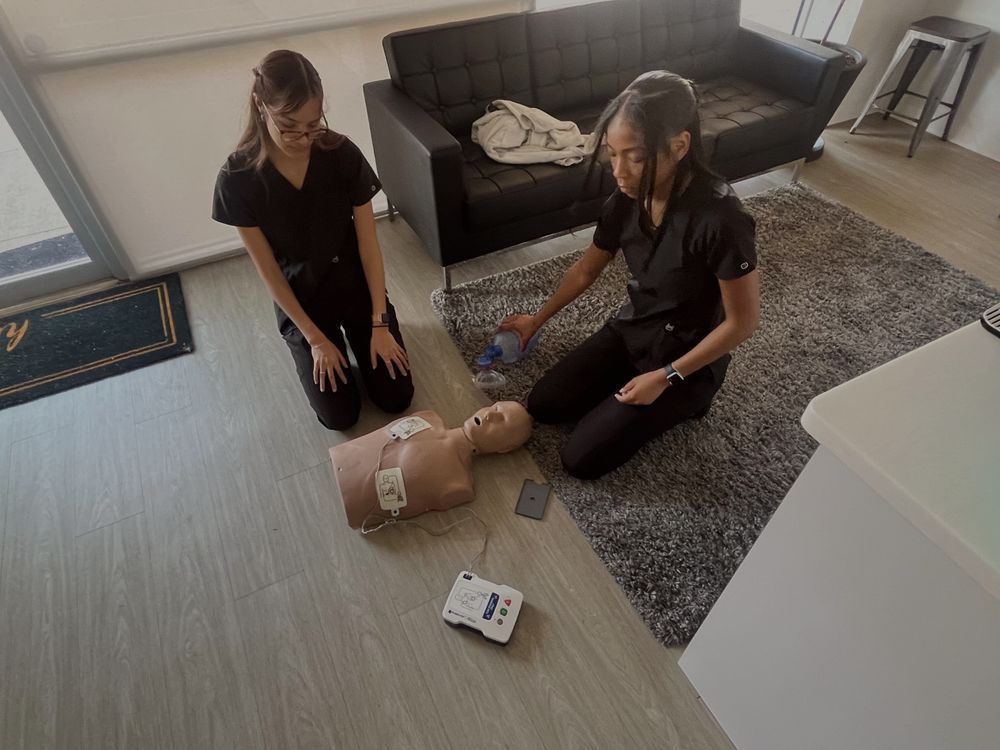
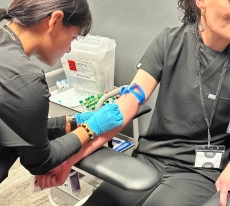
- 4 in-person labs give you supervised practice with the hands-on skills you’ll need
- Exam prep is integrated throughout the curriculum so you’re building toward certification from week one
- The exam fee is included in your $2,990 tuition — no extra cost
What about the cost?
Pulse’s full program tuition is $2,990, with weekly payment plans available. That includes instruction, lab access, materials, and the CCMA exam fee.
See the breakdown: Tuition.
Take the next step
- Explore the program: Program details
- Ask questions: Contact
- Apply: How to apply
You're only a few months from the medical assistant career you deserve.