Medical Assistant Interview Prep_ Questions You Should Practice

Medical Assistant Interview Prep: Questions You Should Practice
Preparing for a medical assistant interview can feel intimidating, especially if you’re stepping into a healthcare environment for the first time. Hiring managers want to know that you understand clinical responsibilities, can deliver excellent patient care, and can keep up with a fast-paced medical office. Strong preparation helps you walk into your interview with confidence, clarity, and the ability to show employers exactly why you’re the right fit.
Practicing interview questions ahead of time doesn’t just help you memorize answers—it helps you understand the “why” behind typical employer expectations. When you know what hiring managers are looking for, you can tailor your responses to highlight your training, soft skills, and commitment to professional growth. Below are the top medical assistant interview questions to rehearse, along with sample answers that demonstrate professionalism and readiness.
“Why do you want to be a medical assistant?”
This is one of the most common opening questions. Employers want to hear your motivation and whether it aligns with patient-focused care.
Sample Answer: “I’ve always been passionate about helping people, and becoming a medical assistant allows me to play a hands-on role in improving patient experiences. I enjoy both the clinical and administrative sides of the job, and I’m excited to support providers while building meaningful connections with patients.”
“What experience or training do you have that prepares you for this role?”
Your answer should highlight formal training, externships, or transferable skills if you’re new to healthcare.
Sample Answer: “I completed a structured medical assistant training program where I learned clinical skills like taking vital signs, performing injections, conducting EKGs, and supporting lab procedures. I also gained real-world experience during my externship, which prepared me to communicate with patients, manage records, and assist with office workflow.”
“How do you handle stressful or fast-paced environments?”
Medical offices can be unpredictable, so hiring managers want to know you can stay calm under pressure.
Sample Answer: “I stay organized by prioritizing tasks, communicating clearly with my team, and focusing on the patient in front of me. When the environment gets busy, I rely on the systems I’ve practiced—checking details carefully, staying calm, and asking for help when needed to ensure patient safety.”
“How would you handle a difficult patient?”
Patient care is at the heart of the job, and your interviewer wants to know you can respond with empathy and professionalism.
Sample Answer: “I would stay calm, listen carefully to their concerns, and acknowledge how they’re feeling. Patients often act out because they’re scared or frustrated, so I try to show patience and understanding. If needed, I would ask a provider for support while making sure the patient feels heard and respected.”
“How do you maintain patient confidentiality?”
This question tests your understanding of HIPAA and professionalism.
Sample Answer: “I follow HIPAA guidelines by never discussing patient information outside of appropriate clinical settings, keeping electronic and paper records secure, and only accessing information needed for my assigned duties. Protecting patient privacy is essential for trust and ethical care.”
“What steps do you take to ensure accurate documentation?”
Attention to detail is essential in healthcare, and your answer should show strong organizational habits.
Sample Answer: “I always document information immediately or as close to the patient encounter as possible. I verify patient identifiers, double-check data for accuracy, and follow office procedures for entering notes or updating records. Clear documentation helps providers deliver the best possible care.”
“Do you prefer clinical or administrative duties?”
Interviewers ask this to understand your strengths and flexibility. Avoid choosing one side exclusively unless applying for a specialized role.
Sample Answer: “I enjoy both sides of the job. I like performing clinical tasks such as taking vitals and assisting with procedures, but I also understand how important administrative work is for keeping the office running smoothly. Being able to switch between both keeps the workday engaging.”
“How do you stay organized when juggling multiple responsibilities?”
Medical assistants handle scheduling, patient prep, phone calls, and clinical support—so organization matters.
Medical assistants handle scheduling, patient prep, phone calls, and clinical support—so organization matters. Sample Answer: “I rely on checklists, clear communication, and time management. I also review my tasks at the beginning of each shift to understand priorities. Staying organized helps me provide consistent care and support both patients and providers throughout the day.”
“Tell me about a time you worked as part of a team.”
Employers want team-oriented medical assistants who collaborate well with providers, nurses, and administrative staff.
Sample Answer: “During my externship, I worked closely with nurses and front-desk staff to prepare patients for appointments. We coordinated tasks like rooming patients, updating charts, and communicating about provider schedules. Working as a team helped the office run more efficiently and improved the patient experience.”
“Where do you see yourself in the next few years?”
This question helps interviewers gauge your long-term interest in healthcare.
Sample Answer: “I see myself continuing to grow as a medical assistant, building strong patient relationships, and possibly pursuing additional certifications. I’m committed to a long-term career in healthcare, and I’m excited to keep expanding my knowledge and skills.”
Final Tips for Successful Interview Preparation
Practicing questions is important, but so is preparing your mindset and presentation. Before your interview, research the employer, review their specialty, and think about how your skills align with their environment. Bring a copy of your resume, arrive early, dress professionally, and offer thoughtful, honest responses.
Remember that employers aren’t just evaluating your clinical abilities—they’re assessing whether you communicate well, show empathy, and demonstrate a genuine commitment to patient care. Showing confidence, maintaining eye contact, and listening actively can make just as strong an impression as your technical skills.
With preparation and practice, you can walk into your interview with the confidence needed to stand out and secure a role that sets the stage for your healthcare career.
Start Your Medical Assistant Journey with Confidence
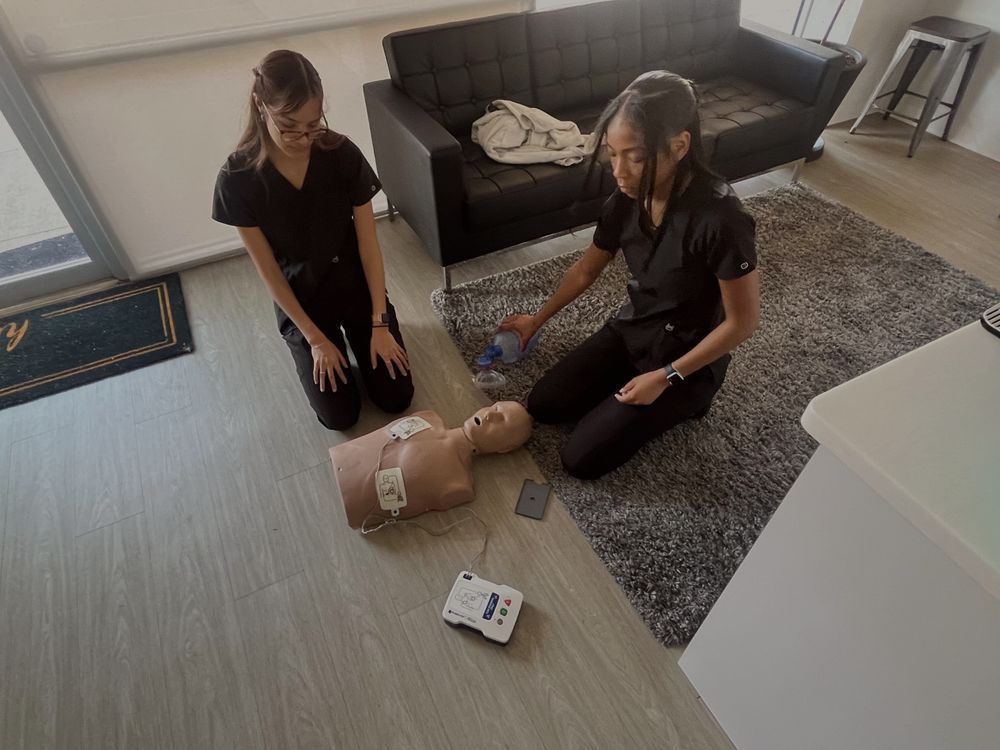
Start Your Medical Assistant Journey with Confidence Becoming a successful medical assistant starts with the right training and hands-on experience. Pulse Medical Assistant School is an online-first, 16-week program that blends flexible virtual coursework with intensive, in-person labs. Students gain real clinical skills, real confidence, and real readiness to work with patients on day one. If you’re preparing for a future in healthcare, Pulse gives you the training you need to take the next step with certainty.
You're only a few months from the medical assistant career you deserve.