Medical Assistant License vs. Certification_ What’s the Difference_
Medical Assistant License vs. Certification: What’s the Difference?
Becoming a medical assistant is one of the fastest, most reliable pathways into the healthcare field—but before you start training or applying for jobs, it’s important to understand the terminology around credentials. New learners often hear words like license and certification used interchangeably, even though they represent very different requirements and expectations. Employers care about these differences, state laws are built around them, and ultimately, the credential you pursue can influence how quickly you enter the workforce.
This guide breaks down everything aspiring medical assistants need to know about licenses, certifications, scope of practice, and how to choose the right pathway for your career. By the end, you’ll understand exactly what employers expect and how to position yourself for long-term success in a rapidly growing healthcare field.
Why Credentials Matter in a Growing Medical Assistant Job Market
Why Credentials Matter in a Growing Medical Assistant Job Market Medical assistants play a crucial role in modern healthcare. They’re often the first person a patient encounters and the professional who keeps clinical operations organized and efficient. As medical practices expand, urgent care centers grow, and outpatient clinics multiply across the country, the demand for medical assistants continues to rise faster than many other healthcare careers.
But with this growth comes the need for standardization. Employers need assurance that newly hired medical assistants can perform duties safely, consistently, and legally. Patients expect professionalism and competent care. And learners—whether coming straight from high school, switching careers, or re-entering the workforce—need clarity about the best way to stand out.
That’s where licensing and certification enter the picture. While both validate skills, they do so in different ways and carry different levels of authority. Understanding how they work will help you make confident decisions as you begin your medical assistant journey.
Licensure vs. Certification: The Simple Definition
Before we dive into the details, here’s the simplest explanation:
A license is a legal requirement issued by a state.
A certification is a professional credential issued by a recognized organization.
Not all healthcare roles require a license. In fact, medical assistants are not required to hold a license in most states—but they can pursue certification, which is the most common path for proving skills and improving employability.
Let’s explore what each one means.
What Is a Medical Assistant License?
What Is a Medical Assistant License? A license is the highest level of regulatory oversight. When a profession requires a license, it means the state has legally determined that no one may work in that role without meeting minimum education, testing, and background requirements.
Do Medical Assistants Need a License?
In nearly all U.S. states, the answer is no. Medical assistants are generally considered unlicensed assistive personnel, which means employers can hire them based on training and demonstrated competency. However, some states have very specific rules about the tasks medical assistants may or may not perform.
States With Licensing or Registration Requirements
While licensure itself is rare, a few states require registration or mandatory training to perform certain tasks, especially those involving injections or X-ray equipment.
For example:
For example: Some states require medical assistants to register with the state medical board before working.
Some require special permits to perform radiography or flu shot administration.
A few require a healthcare provider—such as a physician—to verify a medical assistant’s competency before assigning clinical tasks.
The Purpose of a License
The Purpose of a License
Licenses exist to:
Protect patient safety
Regulate who can perform clinical tasks
Ensure specific training has been completed
Set legal boundaries for scope of practice
Nurses, radiologic technologists, paramedics, and respiratory therapists all require licensure. Medical assistants—who operate under supervision—generally do not.
So if a license isn’t required, then why do so many medical assistants pursue a credential?
What Is Medical Assistant Certification?
What Is Medical Assistant Certification? Certification is different from licensing because it is not issued by the state. Instead, it’s granted by independent organizations that evaluate a student’s knowledge and skills.
Certification proves that a medical assistant has met national standards for:
Clinical competency
Administrative proficiency
Professionalism
Patient safety
Ethical practice
While exams differ slightly, all test the essential hands-on and administrative skills employers expect.
Why Certification Matters
Why Certification Matters Even in states where certification is not legally required, employers increasingly prefer—or sometimes insist on—candidates who hold a recognized credential.
Certification demonstrates that you can:
Take vital signs
Assist with examinations
Perform basic lab procedures
Administer medications (depending on state rules)
Conduct EKGs
Sterilize equipment
Manage patient records
Schedule appointments
Because these tasks influence patient outcomes, providers value the added assurance that certification brings.
How Certification Improves Employability
How Certification Improves Employability Certification is one of the biggest differentiators when applying for a medical assistant role. Here’s why:
Employers Prefer Certified Candidates
Many clinics, hospitals, and specialty practices list certification as a requirement—or as a strongly preferred qualification. Certified MAs are seen as more reliable hires because they’ve proven their skills through standardized testing.
Certification Can Increase Your Starting Salary
According to national hiring trends, certified medical assistants tend to earn more than non-certified medical assistants. The credential signals higher competency and readiness for more clinical tasks.
Certified MAs Often Advance Faster
With certification, you may qualify for roles such as:
Lead medical assistant
Clinical team coordinator
Medical office manager
Specialized practice MA (dermatology, OB/GYN, orthopedics)
Care coordinator or patient navigator
More employers are also offering pathways from medical assistant to licensed roles like LPN, RN, or phlebotomy specialist.
Certified MAs May Perform More Clinical Tasks
Depending on your state’s rules, certification may enable you to:
Administer vaccines
Perform lab tests
Conduct EKGs
Draw blood
Assist with minor procedures
This expands your job options and gives you more hands-on patient experience.
Education Requirements: License vs. Certification
Because medical assistants typically do not need a license, the primary requirement for most students is completing a quality medical assistant training program.
To Become Licensed
Only a handful of states require licensing or registration, and the process may include:
Completing an accredited MA program Passing a jurisprudence or competency exam
Submitting fingerprints
Undergoing a background check
Paying a state application fee
Again, this is not the norm in most states.
To Become Certified
Certification generally requires:
Completing a medical assistant training program
Completing hands-on clinical labs
Meeting exam eligibility requirements Passing a national certification exam
A strong training program prepares students for real-world clinical work as well as exam success.
Scope of Practice: What MAs Can Legally Do
Scope of practice refers to the tasks a medical assistant may perform in a healthcare setting. This varies from state to state and depends in part on whether the MA is certified, how they were trained, and whether they work under direct or indirect supervision.
Tasks Medical Assistants Commonly Perform
Taking vitals
Recording patient history
Preparing exam rooms
Preparing exam rooms
Assisting with procedures
Applying dressings
Explaining treatment plans
Performing point-of-care testing
Administering medications (where allowed)
Coordinating referrals
Managing EHR documentation
Scheduling and insurance verification
Tasks Typically Not Allowed
Because medical assistants are unlicensed, they generally cannot:
Diagnose conditions
Interpret clinical results
Prescribe medications
Perform invasive procedures without direct oversight
Administer anesthetics
Triage patients independently
Your training program will teach you the boundaries to operate safely, professionally, and legally.
Which Path Should You Choose? License or Certification?
Since licensure is not standard for medical assistants, the vast majority of learners should pursue certification through a reputable training program. Certification offers the best mix of:
Job readiness
Employer trust
Higher earning potential
Career mobility
Career mobility Professional credibility
The most important step is choosing a program that prepares you for both real clinical environments and your certification exam.
The most important step is choosing a program that prepares you for both real clinical environments and your certification exam.
How to Get Certified: A Step-by-Step Overview
How to Get Certified: A Step-by-Step Overview
Becoming a certified medical assistant typically looks like this:
Becoming a certified medical assistant typically looks like this:
Step 1: Enroll in a Medical Assistant Training Program
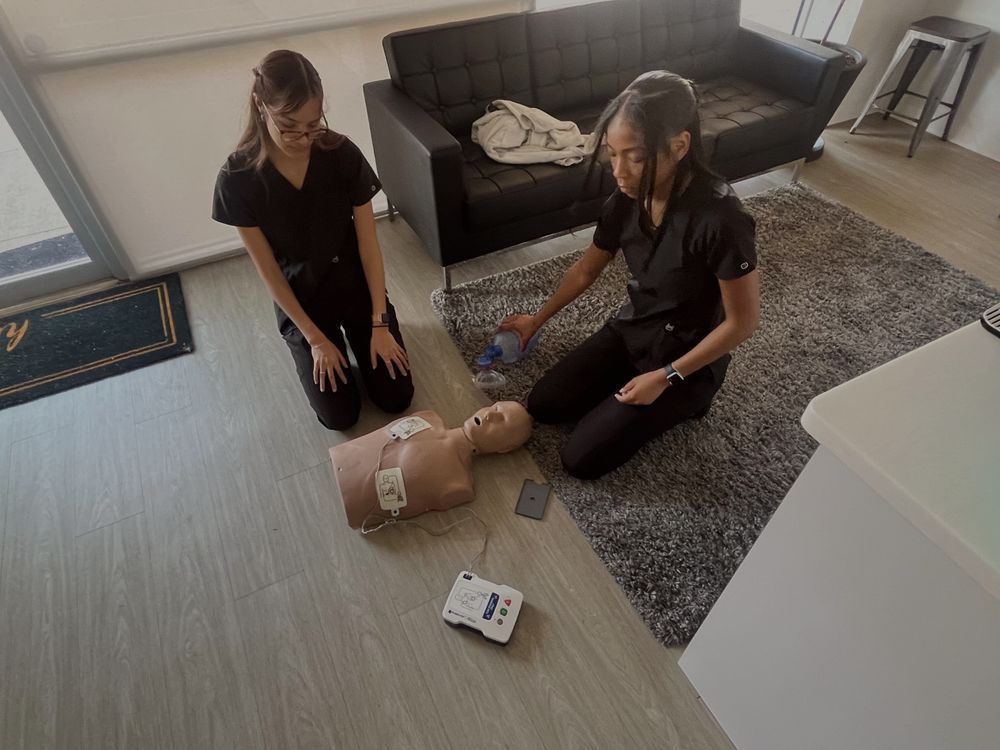
Your program should include online coursework, classroom instruction, and hands-on clinical labs.
Step 2: Learn Clinical and Administrative Skills
You’ll study:
Anatomy & physiology
Medical terminology
Phlebotomy
EKG
Medication administration
Infection control
Patient communication
Electronic health records
Step 3: Complete Clinical Labs and Skills Practice
Certification exams expect students to demonstrate real-world clinical competencies.
Step 4: Take a National Certification Exam
Your program will prepare you to sit for the CMA, CCMA, RMA, or NCMA exam.
Step 5: Begin Working as a Certified Medical Assistant
With employers actively hiring, many new graduates enter the workforce quickly.
Final Thoughts: Certification Is the Best Path for Most Aspiring MAs
While the distinction between licensure and certification can be confusing at first, the takeaway is simple: certification is the most common, accessible, and employer-preferred pathway for today’s medical assistants. You’ll gain the skills, confidence, and credentials you need to stand out—without navigating complex state licensing requirements.
A strong medical assistant program will give you everything you need to succeed: clinical readiness, certification preparation, and support from instructors who care about your long-term success.
Ready to Start Your Medical Assistant Career?
Ready to Start Your Medical Assistant Career? Pulse Medical Assistant School is an online-first, 16-week medical assistant program with intensive, in-person labs that give aspiring medical assistants the confidence to help real patients receive real care. If you want fast, flexible training that prepares you for certification and the workforce, Pulse is the perfect place to begin.
You're only a few months from the medical assistant career you deserve.