Medical Assistant Roles in Chronic Disease Management
Medical Assistant Roles in Chronic Disease Management
Chronic diseases such as diabetes, heart disease, asthma, arthritis, and hypertension affect millions of people across the United States. These conditions often require lifelong monitoring, regular medical visits, medication management, and ongoing lifestyle adjustments. As healthcare systems shift toward long-term, preventive, and patient-centered care models, medical assistants (MAs) play an increasingly critical role in supporting patients with chronic conditions.
Medical assistants are often the most consistent point of contact for patients managing chronic illnesses. They help bridge the gap between providers and patients by ensuring continuity of care, reinforcing treatment plans, and supporting patients beyond a single office visit. From clinical monitoring to education and coordination, medical assistants are essential members of chronic care teams—helping patients stay engaged, informed, and supported throughout their healthcare journey.
Supporting Ongoing Patient Monitoring
One of the most important roles medical assistants play in chronic disease management is ongoing patient monitoring. Chronic conditions require regular tracking of vital signs, symptoms, and disease-specific measurements to detect changes early and prevent complications. Medical assistants are often responsible for collecting this data during routine appointments and follow-up visits.
In clinical settings, medical assistants measure and record blood pressure, blood glucose readings, oxygen saturation levels, weight changes, and other relevant indicators depending on the patient’s condition. For example, patients with hypertension rely on consistent blood pressure tracking, while patients with diabetes require regular blood sugar monitoring. Accurate documentation allows providers to evaluate disease progression and adjust treatment plans as needed.
Beyond in-office visits, medical assistants may also support remote monitoring programs. They can review patient-submitted data from home monitoring devices, flag concerning trends, and communicate updates to providers. This proactive approach helps catch potential issues early, reduces hospital readmissions, and empowers patients to take a more active role in managing their health.
Educating Patients About Chronic Conditions
Patient education is a cornerstone of effective chronic disease management, and medical assistants are often at the forefront of this effort. Living with a chronic condition can be overwhelming, especially for newly diagnosed patients who must learn new routines, medications, and lifestyle changes. Medical assistants help translate clinical information into understandable, actionable guidance.
Medical assistants reinforce provider instructions by explaining treatment plans in plain language, reviewing care instructions, and answering patient questions. They may educate patients on topics such as proper medication use, symptom tracking, dietary recommendations, and activity modifications. For example, an MA working with asthma patients might demonstrate correct inhaler techniques, while an MA supporting heart disease patients may review sodium-restricted diets or exercise recommendations.
Importantly, medical assistants also help identify barriers to understanding. If a patient appears confused, overwhelmed, or hesitant, the MA can clarify instructions or alert the provider to address concerns more thoroughly. This supportive, educational role improves adherence, builds patient confidence, and strengthens long-term health outcomes.
Assisting With Medication Management and Adherence
Medication adherence is one of the biggest challenges in chronic disease management, and medical assistants play a vital role in helping patients stay on track. Many patients with chronic conditions take multiple medications daily, often with complex dosing schedules. Without proper support, missed doses or incorrect usage can lead to complications and disease progression.
Medical assistants assist by reviewing medication lists with patients during visits, confirming dosages, and documenting any side effects or concerns. They help ensure that patient records remain accurate, especially when medications change or new prescriptions are added. This attention to detail helps prevent errors and improves overall patient safety.
In addition, medical assistants often support refill coordination and prescription follow-ups. They may communicate with pharmacies, process refill requests, and remind patients about upcoming renewals. By reinforcing medication routines and identifying adherence challenges early, medical assistants help patients maintain consistency and avoid lapses in care.
Coordinating Care and Follow-Up Services
Chronic disease management often involves multiple providers, specialists, and support services. Medical assistants play a key role in care coordination, ensuring that patients receive timely follow-ups and appropriate referrals. This organizational support is essential for patients navigating complex healthcare systems.
Medical assistants schedule follow-up appointments, track lab results, and ensure that patients complete recommended screenings or diagnostic tests. For example, a patient with diabetes may require regular A1C testing, eye exams, and foot checks. The MA helps ensure these components are scheduled and documented properly.
Care coordination also includes communication between departments and providers. Medical assistants may relay patient concerns, update care teams on symptom changes, or assist with referral paperwork. By maintaining continuity and organization, medical assistants help prevent gaps in care and support smoother patient experiences across multiple touchpoints.
Providing Emotional Support and Encouragement
Managing a chronic illness is not only physically demanding—it can also take an emotional toll. Medical assistants often build long-term relationships with patients, seeing them regularly over months or years. This continuity positions MAs as trusted allies who provide reassurance, empathy, and encouragement.
Medical assistants frequently serve as a first point of contact when patients feel frustrated, anxious, or discouraged about their condition. While they do not provide counseling or diagnosis, MAs play an important role in listening, validating concerns, and encouraging patients to communicate openly with their healthcare providers.
By offering consistent support and positive reinforcement, medical assistants help patients stay engaged in their care. Simple actions—such as acknowledging progress, celebrating small improvements, or encouraging follow-through—can significantly impact a patient’s motivation and confidence. This emotional support strengthens the patient-provider relationship and contributes to better long-term outcomes.
Preparing for a Career in Chronic Disease Care
Preparing for a Career in Chronic Disease Care As chronic conditions continue to rise nationwide, the demand for skilled medical assistants trained in long-term patient care is growing. Employers increasingly value MAs who understand chronic disease workflows, patient education strategies, and care coordination practices. Proper training prepares medical assistants to succeed in these evolving roles.
Medical assistant programs that combine clinical knowledge with hands-on experience help students build confidence in real-world settings. Training in vital sign monitoring, electronic health records, patient communication, and clinical procedures prepares graduates to support patients managing complex health needs. Exposure to chronic care scenarios during training helps future MAs transition smoothly into clinical environments.
Start Your Medical Assistant Career With Pulse Medical Assistant School
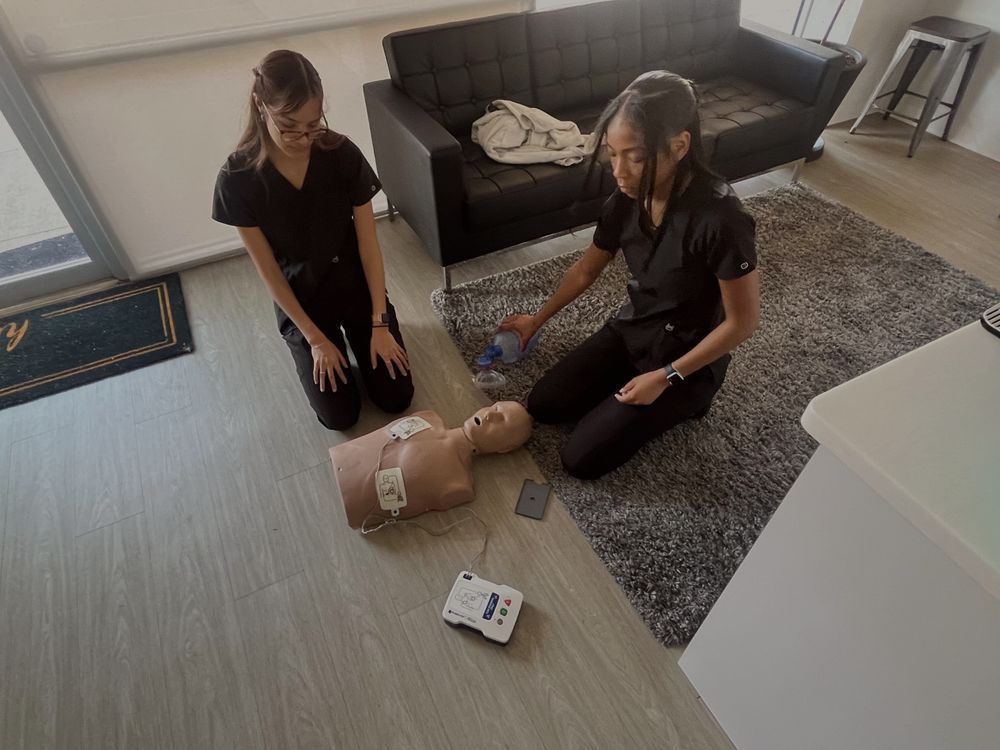
Start Your Medical Assistant Career With Pulse Medical Assistant School If you’re interested in playing a meaningful role in chronic disease management, Pulse Medical Assistant School can help you take the first step. Pulse offers an online-first, 16-week medical assistant program designed to fit modern learners’ schedules while delivering comprehensive training. Through intensive, in-person labs, students gain hands-on experience that builds confidence and prepares them to support real patients in real healthcare settings.
Pulse Medical Assistant School focuses on practical skills, patient-centered care, and career-ready training—helping aspiring medical assistants graduate with the knowledge, confidence, and experience needed to make an immediate impact. If you’re ready to support patients managing chronic conditions and build a rewarding healthcare career, Pulse Medical Assistant School offers a focused path forward.
You're only a few months from the medical assistant career you deserve.