Medical Assistant Roles in Specialty Referral Management
Medical Assistant Roles in Specialty Referral Management
Coordinating patient care doesn’t stop when a primary care visit ends. For many patients, the next step in their healthcare journey involves seeing a specialist—whether that’s a cardiologist, orthopedist, endocrinologist, or mental health provider. Specialty referral management ensures that these transitions happen smoothly, efficiently, and without unnecessary delays. At the center of this process are medical assistants (MAs), who play a critical role in keeping referrals organized and patients informed.
Medical assistants act as the connective tissue between primary care providers, specialists, insurance companies, and patients. Their ability to manage documentation, communicate clearly, and track follow-up care helps prevent missed appointments, delayed diagnoses, and frustrated patients. In clinics that handle high referral volumes, effective referral management can significantly improve patient outcomes and overall practice efficiency.
Below are five key roles medical assistants play in specialty referral management—and why these responsibilities are becoming increasingly important in modern healthcare settings.
Initiating and Processing Specialty Referrals
One of the most foundational roles medical assistants play in referral management is initiating the referral itself. After a provider determines that a patient needs specialized care, the MA is often responsible for gathering and submitting the required referral information. This includes ensuring that referral orders are complete, accurate, and aligned with the specialist’s requirements.
Medical assistants compile relevant clinical documentation such as visit notes, diagnostic results, imaging reports, and lab work. They also confirm that patient demographics, insurance details, and contact information are up to date before sending the referral. In many practices, referrals are submitted electronically through an electronic health record (EHR) system, requiring MAs to understand workflows, templates, and submission protocols.
Accuracy at this stage is critical. Incomplete referrals can lead to processing delays or outright rejection by specialist offices. By carefully reviewing documentation before submission, medical assistants help reduce administrative back-and-forth and ensure patients move quickly to the next phase of care.
Verifying Insurance Requirements and Prior Authorizations
Insurance verification is one of the most complex—and essential—components of specialty referral management. Many insurance plans require referrals, prior authorizations, or pre-certifications before a patient can see a specialist. Medical assistants often handle these tasks to ensure coverage and avoid unexpected costs for patients.
This role involves confirming whether a referral is required under a patient’s insurance plan, identifying in-network specialists, and submitting prior authorization requests when necessary. MAs may need to provide supporting clinical documentation, respond to payer requests for additional information, and track authorization status over time.
By managing these steps proactively, medical assistants help prevent appointment cancellations and denied claims. Patients benefit from clearer expectations about coverage and out-of-pocket costs, while providers avoid revenue disruptions. Strong insurance navigation skills make medical assistants invaluable to both clinical and administrative teams.
Coordinating Communication Between Providers and Specialists
Effective referral management depends on seamless communication—and medical assistants often serve as the primary point of contact between referring providers and specialist offices. They relay clinical information, clarify referral details, and respond to questions from specialty practices regarding patient history or urgency of care.
Medical assistants may also coordinate timelines, especially for time-sensitive referrals involving abnormal test results or worsening symptoms. This can include flagging urgent referrals, confirming appointment availability, or escalating issues to the referring provider when delays occur.
Clear, professional communication helps ensure specialists have the information they need before seeing the patient. It also supports continuity of care by keeping all providers aligned on treatment goals. In busy healthcare environments, medical assistants help prevent referrals from falling through the cracks.
Educating and Supporting Patients Throughout the Referral Process
For many patients, specialty referrals can feel confusing or overwhelming—especially if they involve new diagnoses or unfamiliar providers. Medical assistants play a key role in guiding patients through the referral process and setting clear expectations.
This includes explaining why the referral was made, what the next steps are, and how long the process may take. MAs often provide patients with specialist contact information, appointment instructions, and guidance on what documents or records to bring. They may also answer questions about insurance approvals or anticipated wait times.
By serving as a consistent, approachable point of contact, medical assistants help reduce patient anxiety and improve adherence to follow-up care. When patients understand the process and feel supported, they are more likely to attend specialty appointments and stay engaged in their treatment plans.
Tracking Referral Status and Ensuring Follow-Up Care
Referral management doesn’t end once an appointment is scheduled. Medical assistants are frequently responsible for tracking referral outcomes and ensuring that follow-up care is completed. This includes monitoring referral status in the EHR, confirming that patients attended specialist visits, and documenting outcomes.
After a specialist visit, MAs may assist with obtaining consultation notes, test results, or treatment recommendations. They ensure this information is routed back to the referring provider and added to the patient’s medical record. If a patient misses an appointment or delays scheduling, the MA may follow up to reschedule or address barriers.
This ongoing tracking supports continuity of care and helps providers make informed decisions during future visits. By closing the referral loop, medical assistants help practices deliver coordinated, patient-centered care while meeting quality and compliance standards.
Why Referral Management Skills Matter for Medical Assistants
Why Referral Management Skills Matter for Medical Assistants As healthcare becomes more specialized and interconnected, referral volumes continue to rise. Practices increasingly rely on medical assistants who can manage complex workflows, navigate insurance requirements, and communicate effectively across care teams. Strong referral management skills not only improve patient experiences but also enhance clinic efficiency and care quality.
For medical assistants, these responsibilities offer opportunities to build advanced administrative and coordination skills that are valued across outpatient clinics, specialty practices, and healthcare systems. Mastery of referral management can open doors to expanded roles and long-term career growth within healthcare organizations.
Start Building These Skills at Pulse Medical Assistant School
If you’re interested in becoming a medical assistant who can confidently support real patients through real care journeys, the right training matters. Pulse Medical Assistant School offers an online-first, 16-week medical assistant program designed to prepare students for today’s fast-paced healthcare environments.
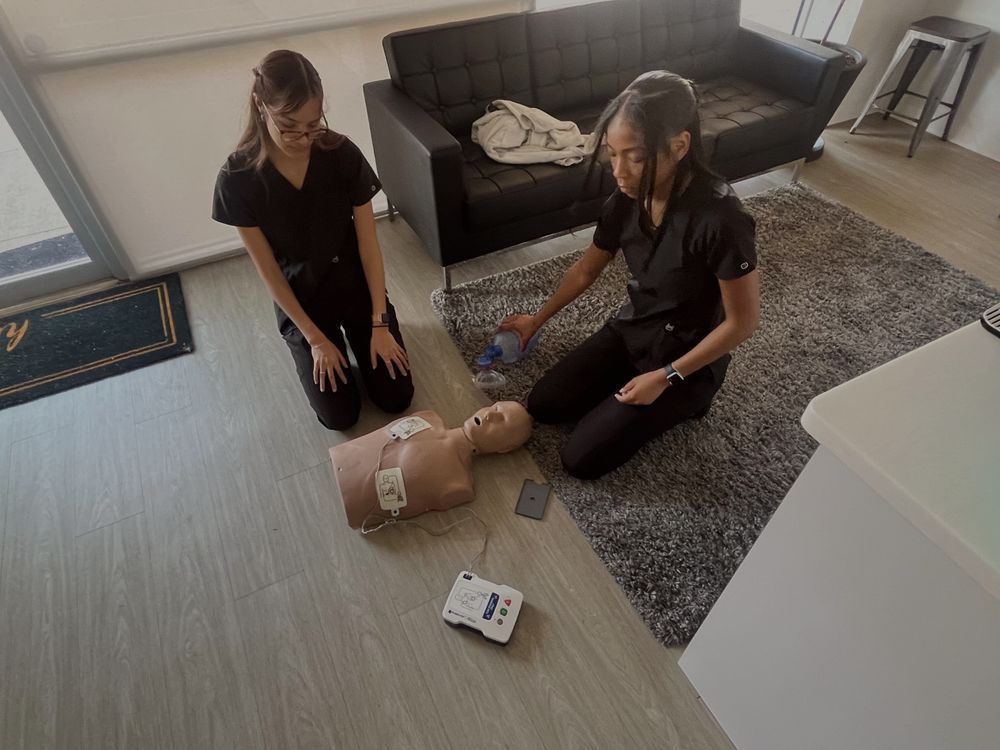
Through flexible online coursework combined with intensive, in-person labs, students gain hands-on experience with essential skills like patient coordination, clinical documentation, and administrative workflows—including specialty referral management. This blended approach helps aspiring medical assistants graduate with both knowledge and confidence, ready to support providers and patients from day one.
If you’re ready to take the next step toward a meaningful healthcare career, Pulse Medical Assistant School provides the training you need to help real patients receive real care.
You're only a few months from the medical assistant career you deserve.