Medical Assistant Uniforms and Gear_ What You_ll Need on the Job
Medical Assistant Uniforms and Gear: What You’ll Need on the Job
Medical assisting is one of the most hands-on, patient-focused roles in healthcare — and that means showing up to every shift prepared. Beyond clinical knowledge and administrative skills, medical assistants rely on the right uniforms, tools, and accessories to ensure they can care for patients safely, efficiently, and confidently. The gear you bring with you each day becomes part of how you work, how you interact with patients, and how well your team can depend on you.
A reliable set of scrubs, supportive shoes, and essential clinical tools aren’t just accessories — they’re foundational parts of your job. The right uniform helps you move comfortably, stay organized, and maintain professional standards. Meanwhile, tools like stethoscopes, watches with second hands, and personal protective equipment (PPE) help you perform your duties accurately and uphold patient safety. Whether you’re brand new to the field or preparing for your first day of externship, understanding what to wear and what to pack sets you up for long-term success.
Below are five must-have uniform items and pieces of gear that every medical assistant should be equipped with on the job.
Scrubs That Match Your Workplace Requirements
Scrubs are the foundational uniform for nearly every medical assistant. They’re designed to be lightweight, comfortable, durable, and easy to clean. But not all scrubs are the same, and different employers often have different policies about color, fit, and style.
Some clinics assign specific colors to distinguish job roles. For example, medical assistants may wear royal blue, while nurses wear teal and administrative staff wear charcoal. These color-coded systems help patients quickly identify who’s who in a busy clinical environment. Other workplaces may simply require staff to choose solid-colored scrubs, giving you freedom to pick colors that suit your style.
Beyond color, the fit and feel of your scrubs matter too. Stretch fabrics have become increasingly popular because they offer a full range of motion — essential for rushing between exam rooms, taking vitals, or assisting with procedures. Look for scrubs that include reinforced stitching, breathable materials, and pockets. Lots of pockets.
Pockets are a medical assistant’s best friend. They help you carry small tools, pens, alcohol wipes, and gloves without feeling weighed down. Cargo-style scrub pants or scrub tops with multiple compartments can help keep everything organized and accessible throughout your shift.
Finally, it’s smart to invest in at least two to three sets of scrubs. Between long shifts, unexpected spills, and back-to-back workdays, having multiple clean uniforms ensures you’re always prepared.
Supportive, Non-Slip Footwear
Medical assistants spend much of their day on their feet — walking between exam rooms, assisting patients, gathering supplies, and supporting providers. The wrong shoes can lead to fatigue, discomfort, and even long-term joint pain. That’s why supportive, non-slip footwear is one of the most important pieces of gear you’ll own.
Clinical settings also require shoes with safety features. Floors may become slippery from spills or cleaning products, and a non-slip sole helps prevent accidents. Closed-toe shoes are a universal requirement, offering protection from equipment, dropped tools, and other hazards.
When choosing medical assistant shoes, prioritize:
Cushioning: Reduces strain on your feet and joints.
Arch support: Prevents discomfort during long shifts.
Breathability: Helps keep your feet cool during active workdays.
Easy-to-clean materials: Useful in case of spills or clinical messes.
Brands that specialize in healthcare shoes often offer slip-resistant outsoles, antimicrobial linings, and designs meant to withstand long days. Some medical assistants also opt for compression socks to reduce swelling and improve circulation.
Just like scrubs, it’s a good idea to have more than one pair of work shoes. Rotating them between shifts helps them last longer and keeps your feet more comfortable.
A Quality Stethoscope
While not every medical assistant uses the same clinical tools depending on their workplace, a high-quality stethoscope is one of the most common and essential pieces of equipment. It’s typically used when taking vital signs, assisting providers, or supporting diagnostic procedures.
A reliable stethoscope helps you accurately measure:
Heart sounds
Lung sounds
Blood pressure readings
Bowel sounds
Entry-level stethoscopes are perfectly functional for most medical assistant roles, but investing in a durable, comfortable brand with clear acoustics makes a noticeable difference — especially if you work in a fast-paced environment like urgent care or pediatrics.
Look for features like:
Comfortable ear tips that block out ambient noise
A flexible, durable tube that won’t crack
A lightweight design for long shifts
A chest piece that fits comfortably in your hand
Many medical assistants also personalize their stethoscopes with ID tags or engraving. Because medical environments are busy and equipment can easily get mixed up, labeling your gear helps prevent loss and maintains professionalism.
A protective stethoscope case is also a useful addition. It keeps your equipment clean, protected, and ready to use.
A Watch With a Second Hand
As simple as it may seem, a watch with a second hand — or a digital watch with a stopwatch function — is one of the handiest tools a medical assistant can own. Timing tasks is an everyday part of patient care, and relying solely on wall clocks or digital displays is never convenient.
Medical assistants frequently use their watches for tasks like:
Medical assistants frequently use their watches for tasks like: Measuring pulse and respiration rates
Tracking the time during EKGs or procedures
Monitoring medication timing
Maintaining accurate charting and documentation
Many workplaces do not allow smartwatches with messaging or cellular features for privacy and compliance reasons, making a simple analog or digital watch the best choice. Waterproof or water-resistant watches are especially helpful since medical assistants wash their hands dozens of times per shift.
Your watch should be:
Easy to read
Durable and lightweight
Comfortable enough to wear for long periods
Easy to sanitize
This small piece of gear plays a big role in accuracy and patient safety. It’s an inexpensive but essential part of a professional medical assistant uniform.
Personal Protective Equipment (PPE)
Even outside of pandemic conditions, personal protective equipment (PPE) is a routine part of working safely in healthcare. Medical assistants come into contact with patients in close proximity, handle bodily fluids, and support procedures where precaution is necessary. Proper PPE helps protect both you and your patients.
Common PPE items medical assistants may use include:
Common PPE items medical assistants may use include: Disposable gloves
Face masks
Face shields
Protective eyewear
Disposable gowns
Many healthcare facilities provide PPE, but medical assistants often carry extras — especially gloves and masks — in their pockets. Having easy access allows you to respond quickly to unexpected messes, exposure risks, or procedures that require sterile materials.
Some medical assistants also choose to bring their own reusable goggles or protective glasses for comfort and better fit. If you work in a lab or specialized environment, protection against chemicals or airborne particles may also be required.
PPE isn’t just equipment. It’s part of your commitment to infection control, patient safety, and workplace professionalism.
Choosing the Gear That Makes You a Stronger Medical Assistant
Choosing the Gear That Makes You a Stronger Medical Assistant Your uniform and gear are core parts of your day-to-day workflow as a medical assistant. The right clothing helps you stay comfortable, efficient, and focused. The right tools help you perform tasks accurately and maintain high quality of care. Together, they help you show up as the best version of yourself for your patients and your team.
Whether you’re just starting your training, preparing for your externship, or stepping into a new clinical role, investing in these essentials supports your growth and confidence. Healthcare is a fast-moving environment, and being well-prepared sets you apart as a professional.
Start Your Medical Assistant Journey With Confidence
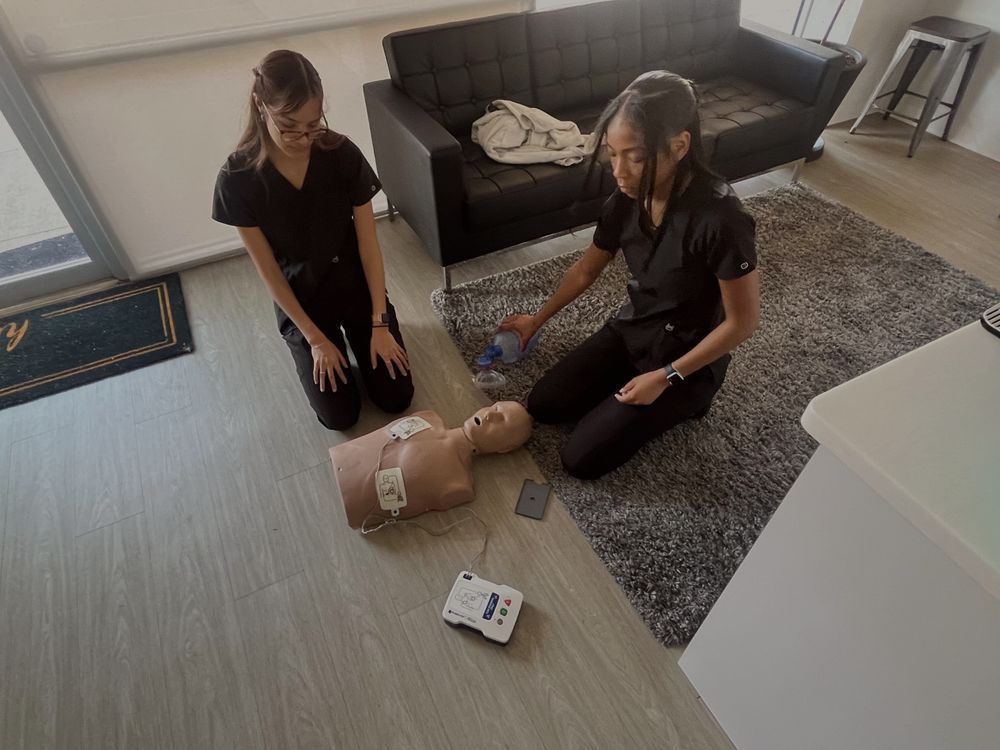
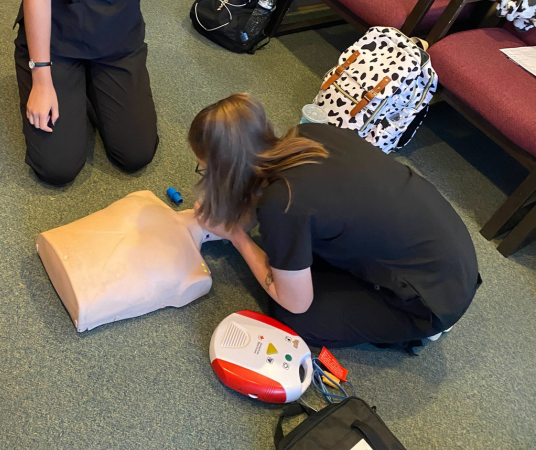
Start Your Medical Assistant Journey With Confidence If you’re ready to build a career caring for patients and supporting healthcare teams, the right training makes all the difference. Pulse Medical Assistant School is an online-first, 16-week medical assistant program with intensive, in-person labs that give aspiring medical assistants the confidence to help real patients receive real care. With flexible online learning and hands-on skill development, you’ll be fully equipped — uniform, gear, and all — for meaningful work in today’s healthcare field.
You're only a few months from the medical assistant career you deserve.