Medical Assistant vs. LPN_ Comparing Training, Roles, and Salaries
Medical Assistant vs. LPN: Comparing Training, Roles, and Salaries
Choosing a healthcare career is an exciting step, but it can also feel overwhelming with so many paths available. Two popular options—Medical Assistant (MA) and Licensed Practical Nurse (LPN)—share some similarities yet differ significantly in daily responsibilities, required education, career growth, and pay. Understanding these differences can help you choose the path that aligns with your goals, timeline, and preferred work environment.
Both careers play an essential role in helping patients receive quality care. Medical assistants keep clinics and physician practices running smoothly by blending administrative and clinical tasks. LPNs provide more advanced bedside care, often in hospitals and long-term care environments. Each career offers stability, strong demand, and the chance to make a meaningful difference in patients’ lives, but the training and day-to-day expectations vary widely.
In this guide, you’ll learn how medical assistants and LPNs compare across training requirements, job duties, work settings, salaries, certification expectations, and long-term career opportunities. By the end, you’ll have a clearer sense of which role best matches your interests and long-term career goals.
Training Requirements
Training Requirements
Medical Assistant Training
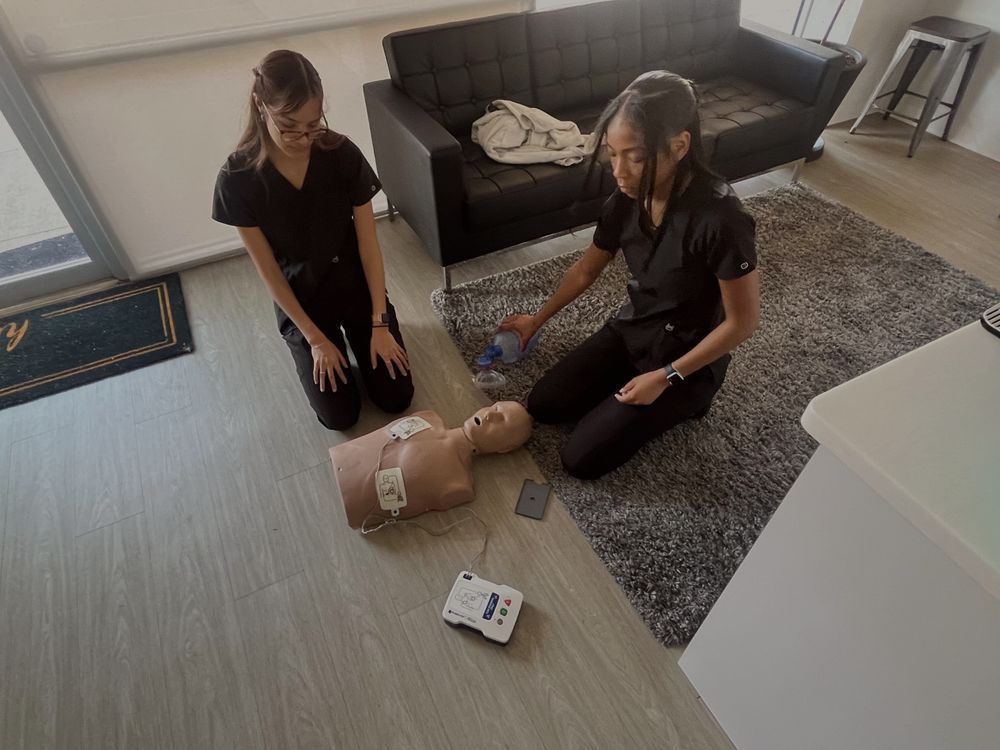
Medical assistant programs are known for their short timeline and practical skill-building approach. Most MA programs can be completed in less than a year—and many accelerated programs finish even faster. Students learn foundational clinical skills such as taking vitals, drawing blood, performing EKGs, preparing patients for exams, and assisting with minor procedures. They also learn administrative tasks like scheduling, charting, and managing electronic health records.
Because the MA role blends front-office and back-office responsibilities, the training focuses on versatility. Students receive the skills needed to work in many types of outpatient settings and support physicians, nurse practitioners, and physician assistants. Certification is optional in most states, but many employers prefer it, as it shows mastery of essential competencies.
One of the primary benefits of MA training is accessibility. Individuals with little to no healthcare experience can enter the field quickly while still receiving comprehensive, hands-on training that prepares them for real patient care.
LPN Training
Licensed Practical Nursing requires more extensive training than medical assisting. LPN programs typically take 12–18 months to complete and are offered through community colleges, technical schools, and some universities. Because LPNs perform more advanced clinical duties, their training includes deeper instruction in pharmacology, anatomy, physiology, wound care, IV therapy (in some states), and patient monitoring.
Most programs include clinical rotations in hospitals or long-term care facilities, giving students direct exposure to patient care in high-acuity environments. After completing their program, LPNs must pass the NCLEX-PN, the national licensing exam that certifies them to practice.
The longer training period reflects the increased scope of practice, clinical responsibilities, and patient-care depth required in LPN roles.
The longer training period reflects the increased scope of practice, clinical responsibilities, and patient-care depth required in LPN roles.
Job Duties and Scope of Practice
Medical Assistant Job Duties
Medical assistants perform a wide variety of tasks that blend customer service, administrative support, and direct patient care. Their responsibilities typically include:
Medical assistants perform a wide variety of tasks that blend customer service, administrative support, and direct patient care. Their responsibilities typically include: Taking patient vital signs
Updating electronic health records (EHRs)
Preparing patients for exams
Preparing patients for exams
Assisting with minor procedures
Drawing blood and administering injections (varies by state)
Conducting EKGs
Coordinating appointment scheduling and insurance tasks
Communicating with patients before and after visits
Managing inventory and exam room cleanliness
MAs work primarily in outpatient settings, meaning their schedules are more predictable and usually don’t involve overnight shifts. Their role is essential in helping physicians maintain smooth patient flow, making them invaluable members of the care team.
LPN Job Duties
LPNs have a more advanced clinical scope. They work under the supervision of registered nurses (RNs) and physicians, and their responsibilities may include:
Monitoring patient health and reporting changes
Administering medications
Providing wound care
Assisting patients with daily living activities
Inserting catheters
Caring for patients with chronic conditions
Collecting lab samples
Supporting RNs with care plans
Managing patient records in clinical settings
Because LPNs work more closely with medically complex patients, they play a vital role in hands-on bedside care. Their work is more clinically focused and often more physically demanding.
Work Environment
Where Medical Assistants Work
Medical assistants typically work in:
Medical assistants typically work in: Primary-care offices
Specialty clinics (cardiology, dermatology, OB-GYN, pediatrics, etc.)
Urgent care centers
Outpatient surgical centers
These settings offer:
Daytime schedules
No overnight or holiday shifts
Fast-paced but predictable patient volume
Opportunities to form long-term relationships with returning patients
Because medical assistants support both clinical and administrative functions, they play a key role in making outpatient practices efficient and patient friendly.
Where LPNs Work
Licensed Practical Nurses commonly work in:
Long-term care facilities
Rehabilitation centers
Hospitals
Home health services
Hospice care
LPNs often work with elderly, chronically ill, or rehabilitating patients. These settings may require:
Overnight shifts
Weekend and holiday rotation
Longer shifts (often 12 hours)
High-acuity patient-care scenarios
For individuals who enjoy bedside care, teamwork with other nurses, and more medically intensive environments, LPN roles offer a rewarding and hands-on experience.
For individuals who enjoy bedside care, teamwork with other nurses, and more medically intensive environments, LPN roles offer a rewarding and hands-on experience. Salary Comparison
Medical Assistant Salary
According to national data, medical assistants earn a median salary between $38,000 and $42,000 annually, depending on location, employer, and experience. Some MAs earn more when working in specialty clinics like cardiology or outpatient surgery centers. Certifications and additional skills (like phlebotomy or EKG specialization) can also boost earnings.
Because training time is short and the field is expanding quickly, MA roles offer strong value for individuals who want to enter healthcare without spending years in school.
LPN Salary
LPNs typically earn a higher salary than medical assistants due to their broader scope of practice and licensing requirements. The median annual pay for LPNs ranges from $52,000 to $60,000, with higher pay available in hospitals, home health, and certain metropolitan areas. Experienced LPNs in specialized facilities can earn even more.
While the earning potential is higher, the increased salary reflects:
A longer training period
A required licensure exam
More intensive patient-care responsibilities
Physically demanding work environments
Career Growth Opportunities
Career Growth Opportunities
Medical Assistant Career Pathways
Medical Assistant Career Pathways
Becoming a medical assistant is a flexible first step into the healthcare field. Many MAs transition into other roles, such as:
Becoming a medical assistant is a flexible first step into the healthcare field. Many MAs transition into other roles, such as:
Registered Nurse (after completing nursing school)
Healthcare administration
Medical office management
Patient care technician
Clinical team lead
Specialty medical assistant roles
Medical billing and coding
Because medical assistants gain exposure to both clinical and administrative functions, they develop a well-rounded skill set that opens multiple career doors.
Because medical assistants gain exposure to both clinical and administrative functions, they develop a well-rounded skill set that opens multiple career doors.
LPN Career Pathways
LPN Career Pathways
LPNs also have strong career-growth options. Many LPNs pursue:
RN licensure through bridge programs
Specializations in geriatrics, wound care, or IV therapy
Supervisory roles in long-term care
Case management positions
Home health leadership roles
The LPN-to-RN path is especially popular. It allows practical nurses to build on their experience while increasing their earning potential and clinical scope.
The LPN-to-RN path is especially popular. It allows practical nurses to build on their experience while increasing their earning potential and clinical scope.
Which Career Is Right for You?
Which Career Is Right for You?
Choose Medical Assisting If:
You want to start working in healthcare quickly
You prefer a mix of administrative and clinical tasks
You want consistent daytime hours
You enjoy fast-paced outpatient settings
You appreciate clear workflows and predictable schedules
You’re exploring healthcare but don’t want to commit to long-term schooling yet
Medical assisting is ideal for people who love patient interaction and enjoy keeping healthcare facilities organized and efficient.
Choose LPN Nursing If:
You’re passionate about bedside care
You don’t mind overnight or weekend shifts
You want a deeper clinical role and more responsibility
You’re open to physically demanding work environments
You’re willing to complete licensing requirements
You prefer long-term care, hospital, or home-health settings
LPN roles suit individuals who thrive in hands-on patient care and want a career with higher clinical complexity.
LPN roles suit individuals who thrive in hands-on patient care and want a career with higher clinical complexity.
Start Your Healthcare Career with Pulse Medical Assistant School
Start Your Healthcare Career with Pulse Medical Assistant School Both medical assistants and LPNs are essential to the healthcare system. The best choice ultimately depends on your timeline, preferred work environment, and long-term career aspirations. If you want a fast, flexible path into healthcare with strong job stability and opportunities to grow, medical assisting may be the perfect fit. If you’d prefer a more advanced clinical role right away and don’t mind additional training, becoming an LPN offers excellent earning potential and valuable patient-care experience.
Whichever path you choose, you’re stepping into a career where your work truly matters.
Whichever path you choose, you’re stepping into a career where your work truly matters. If you’re excited about entering the healthcare field quickly and confidently, Pulse Medical Assistant School can help you get started. Pulse offers an online-first, 16-week medical assistant program with intensive, in-person labs that give students hands-on experience with real equipment and real clinical skills. Graduates leave prepared to assist patients, support clinical teams, and begin a rewarding healthcare career.
Take the first step toward becoming a medical assistant—and begin making a real impact in patient care.
You're only a few months from the medical assistant career you deserve.