Medical Assistant vs. Medical Administrative Assistant_ What’s the Difference_

Medical Assistant vs. Medical Administrative Assistant: What’s the Difference?
Choosing a healthcare career is exciting, especially in a field as high-growth and high-impact as medical assisting. But if you’ve recently started researching roles, you’ve probably noticed two titles that sound similar but play very different parts in a medical setting: medical assistant and medical administrative assistant. Because the names overlap, many learners assume they’re interchangeable—or that one is simply a lighter version of the other. In reality, these are two distinct career paths with unique responsibilities, skills, environments, and advancement potential.
Understanding the difference is essential if you want to pick the role that fits your goals, your personality, and the type of workday you want to have. Whether you’re drawn to hands-on patient care or prefer the organizational and communication side of healthcare operations, knowing what sets these roles apart empowers you to make an informed—and confident—career decision.
This guide breaks down everything you need to know about the differences between medical assistants and medical administrative assistants. You’ll learn the day-to-day duties of each role, how their training varies, what employers look for, what salaries you can expect, and how to choose the path that matches your strengths and long-term ambitions.
What Is a Medical Assistant?
What Is a Medical Assistant? A medical assistant (MA) is a multi-skilled healthcare professional who supports both clinical and administrative operations in places like doctor’s offices, urgent care centers, specialty clinics, and outpatient facilities. Because they work directly with patients and assist physicians during appointments, their role blends hands-on clinical tasks with important office responsibilities.
Core MA Responsibilities
Medical assistants perform an essential set of duties that keep patient care running smoothly. These typically include:
Medical assistants perform an essential set of duties that keep patient care running smoothly. These typically include: Taking and recording vital signs such as blood pressure, pulse, and temperature
Preparing patients for procedures, exams, and lab work
Preparing patients for procedures, exams, and lab work
Assisting physicians during exams
Collecting and processing lab specimens
Administering injections (depending on state regulations)
Updating patient records
Explaining treatment procedures to patients
Performing EKGs
Managing clinical equipment and exam room sanitization
Scheduling appointments and handling administrative follow-up
This blend of clinical and administrative duties makes medical assistants one of the most versatile entry-level roles in healthcare. They are often the first and last person a patient interacts with, which means they play a major role in shaping patient experience and ensuring efficiency across the office.
Who Thrives as a Medical Assistant?
Medical assisting is a great career for people who are:
Medical assisting is a great career for people who are: Energetic and customer-focused
Comfortable working directly with patients
Interested in clinical skills and hands-on healthcare
Strong multitaskers
Empathetic, patient, and detail-driven
Looking for a fast, accessible pathway into healthcare
If you want a role where every day brings new tasks, new interactions, and new opportunities to directly impact patient wellbeing, the MA path may be the perfect fit.
What Is a Medical Administrative Assistant?
What Is a Medical Administrative Assistant? A medical administrative assistant—sometimes called a medical office assistant or medical secretary—focuses almost entirely on the administrative, clerical, and customer-service side of a healthcare organization. Unlike medical assistants, they do not perform clinical tasks or work inside exam rooms. Instead, their work ensures the front office operates smoothly and efficiently.
Core Medical Administrative Assistant Responsibilities
These professionals manage the essential behind-the-scenes functions that keep a healthcare practice organized. Their duties typically include:
Scheduling appointments and coordinating provider calendars
Managing patient check-in and check-out
Updating insurance information and verifying coverage
Processing patient payments and preparing billing statements
Maintaining digital and paper records
Answering phones, emails, and patient inquiries
Coordinating referrals and authorizations
Ensuring HIPAA compliance in administrative processes
Their work requires excellent communication skills, strong attention to detail, and a deep familiarity with healthcare administrative systems like billing software and electronic health records (EHRs).
Who Thrives as a Medical Administrative Assistant?
This role is ideal for individuals who are:
Organized and detail-oriented
Strong communicators
Comfortable managing office operations
Interested in healthcare without performing clinical tasks
Skilled at customer service
Excel in fast-paced, structured environments
If you love the idea of supporting patients and providers while ensuring the office runs smoothly—but prefer administrative systems over clinical responsibilities—this track may be the right option.
Key Differences Between Medical Assistants and Medical Administrative Assistants
Key Differences Between Medical Assistants and Medical Administrative Assistants Although both roles support healthcare operations, their responsibilities, tools, training, and work environments differ significantly. Here’s what sets them apart:
Clinical vs. Administrative Focus
Medical Assistants:
Split their time between clinical tasks (vitals, injections, exams, EKGs) and administrative ones (scheduling, chart updates).
Medical Administrative Assistants:
Focus exclusively on admin tasks such as scheduling, billing, insurance verification, and record management.
If you want direct patient care and clinical experience, choose MA. If you want a stable office role without clinical procedures, administrative assisting may be better.
Work Environment
Medical Assistants:
Rotate between exam rooms, labs, and administrative stations
Work closely with nurses, doctors, and diagnostic teams
Are constantly on their feet
Have a dynamic, fast-moving day that involves direct patient interaction
Have a dynamic, fast-moving day that involves direct patient interaction
Medical Administrative Assistants:
Work primarily at the front desk
Spend most of their day using phones, scheduling software, and EHR systems
Interact with patients for check-in or communications, but not clinical care
Your preferred pace and type of workday should guide your choice.
Training Requirements
Both roles require post-secondary training, but the type of training differs.
Medical Assistant Training
MA programs teach clinical and administrative skills, usually including:
Anatomy and physiology
Medical terminology
Phlebotomy
EKG administration
Infection control
Patient care procedures
Electronic medical records
Office management
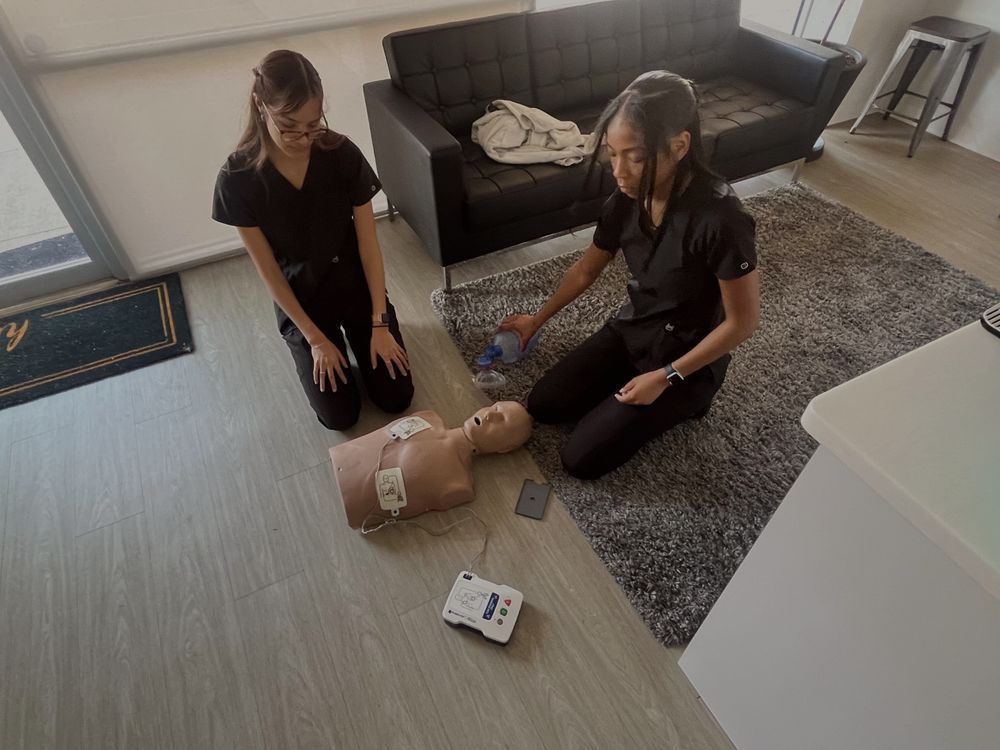
High-quality programs include in-person labs, hands-on practice, and externships so students enter the field with confidence.
Medical Administrative Assistant Training
Administrative assisting programs typically focus on:
Medical terminology
Medical billing and coding basics
Health insurance systems
Scheduling and office management
EHR systems
Customer service in healthcare
HIPAA and regulatory compliance
These programs are often shorter because they do not include clinical labs.
Patient Interaction
This is the most important factor for many learners.
Medical Assistants:
Work with patients all day—prepping them for exams, collecting vitals, assisting during procedures, and supporting clinical workflows.
Medical Administrative Assistants:
Interact with patients through the front desk, phone, or scheduling portal, but do not provide medical support or clinical care.
If you want to be part of the clinical team, medical assisting is the clear choice.
Tools and Technology
Medical Assistants use:
Medical Assistants use: Stethoscopes
EKG machines
Syringes
Centrifuges
Glucometers
Medical software
Sterilization tools
Medical Administrative Assistants use:
Scheduling software
Practice management systems
Electronic health records (EHRs)
Billing and insurance platforms
Patient communication tools
Each role engages with technology, but in very different ways.
Which Career Is Right for You?
Which Career Is Right for You? If you’re deciding between these two roles, consider the questions below:
Do you want to work directly with patients?
Yes → Medical Assistant
No → Medical Administrative Assistant
Do you enjoy hands-on procedures and fast-paced clinical environments?
Yes → Medical Assistant
No → Medical Administrative Assistant
Are you comfortable learning clinical skills like injections, EKGs, and specimen collection?
Yes → Medical Assistant
No → Medical Administrative Assistant
Do you prefer organizing, problem-solving, and managing office systems?
Yes → Administrative assistant roles may fit best.
Do you want more long-term flexibility and advancement opportunities?
Medical assisting typically provides more career mobility and access to a wider range of healthcare specialties.
Medical assisting typically provides more career mobility and access to a wider range of healthcare specialties.
Why Many Students Choose the Medical Assistant Path
Why Many Students Choose the Medical Assistant Path
Even though both careers are rewarding, many learners choose the MA path because:
It offers higher earning potential
There is greater job variety
Clinical skills open more doors
It provides a stepping-stone to nursing and advanced clinical roles
Programs are fast—some as short as 16 weeks
It blends patient care, communication, and hands-on skills
If you want a career where you’re making a direct difference in people’s health every day, medical assisting delivers.
If you want a career where you’re making a direct difference in people’s health every day, medical assisting delivers.
Ready to Start Your Medical Assisting Journey?
Ready to Start Your Medical Assisting Journey? Medical assistants and medical administrative assistants are both essential to the success of healthcare practices. While administrative assistants ensure the office runs smoothly and patients have a positive experience at check-in, medical assistants support the clinical team and play a direct role in patient care. Understanding the responsibilities, skills, and environments of each role helps you choose the path that fits your strengths, interests, and long-term goals.
If you want a fast-paced, high-impact role that combines patient interaction, clinical procedures, and strong career mobility, the medical assistant path may be right for you. And thanks to modern, flexible programs, entering the field has never been faster or more accessible.
Pulse Medical Assistant School is an online-first, 16-week medical assistant program with intensive, in-person labs that give aspiring medical assistants the hands-on practice and real-world confidence needed to help real patients receive real care. If you’re ready to build a skill-based, high-growth career in healthcare, Pulse is ready to help you take the first step.
You're only a few months from the medical assistant career you deserve.