Medical Assistant vs. Surgical Tech_ How These Careers Compare
Medical Assistant vs. Surgical Tech: How These Careers Compare
Choosing a career in healthcare is one of the most meaningful decisions someone can make. With countless paths available, two roles often stand out as quick-entry, high-impact options: medical assistants (MAs) and surgical technologists (surgical techs or STs). Both careers support patient care, both require strong technical and interpersonal skills, and both offer stability in a fast-growing field. Yet the day-to-day responsibilities, training requirements, and long-term career paths look quite different.
Whether you’re a career changer or exploring your first healthcare role, understanding how medical assistants and surgical techs compare will help you choose the right path. Below, we break down responsibilities, work environments, skills, salary expectations, training time, job outlook, and advancement opportunities so you can confidently plan your future.
What Does a Medical Assistant Do?
What Does a Medical Assistant Do? Medical assistants work on the front lines of healthcare, bridging the gap between clinical and administrative duties. Their role can vary widely depending on the size of the practice and the state they work in, but MAs are known for their versatility and close patient interaction.
Typical Clinical Responsibilities
Medical assistants help clinicians deliver safe, efficient patient care by taking vital signs, preparing exam rooms, assisting with minor procedures, drawing blood, performing EKGs, and documenting medical histories. While MAs don’t diagnose or treat patients, they support physicians, nurse practitioners, and physician assistants in nearly every aspect of the visit.
Typical Administrative Responsibilities
Medical assistants often wear a second hat: administrative support. They schedule appointments, check in patients, process insurance forms, manage electronic health records, and handle communication with patients and pharmacies.
This blend of clinical and administrative tasks makes MAs essential to any well-run healthcare practice—and a perfect entry point for people exploring different areas of the medical field.
This blend of clinical and administrative tasks makes MAs essential to any well-run healthcare practice—and a perfect entry point for people exploring different areas of the medical field.
What Does a Surgical Tech Do?
What Does a Surgical Tech Do? Surgical technologists work inside the operating room, ensuring surgeries run smoothly, safely, and efficiently. Their job is more specialized and procedure-focused than a medical assistant’s, and it involves working in a fast-paced, high-stakes environment.
Typical Surgical Responsibilities
Before surgery, a surgical tech prepares the operating room by sterilizing instruments, arranging equipment, and ensuring all necessary supplies are available. During surgery, they assist surgeons by passing instruments, handling specimens, maintaining sterile fields, and anticipating the surgical team’s needs. After the procedure, they help with clean-up and inventory management.
Work Environment
Surgical techs primarily work in hospitals or surgical centers. Their day revolves around operating room schedules, which can include early mornings, nights, weekends, and on-call shifts. For individuals who thrive under pressure and enjoy hands-on technical work, this environment can be especially rewarding.
Training Requirements: How Long Does It Take?
Training Requirements: How Long Does It Take? One of the biggest differences between these careers is the time and training required to enter the workforce.
Training for Medical Assistants
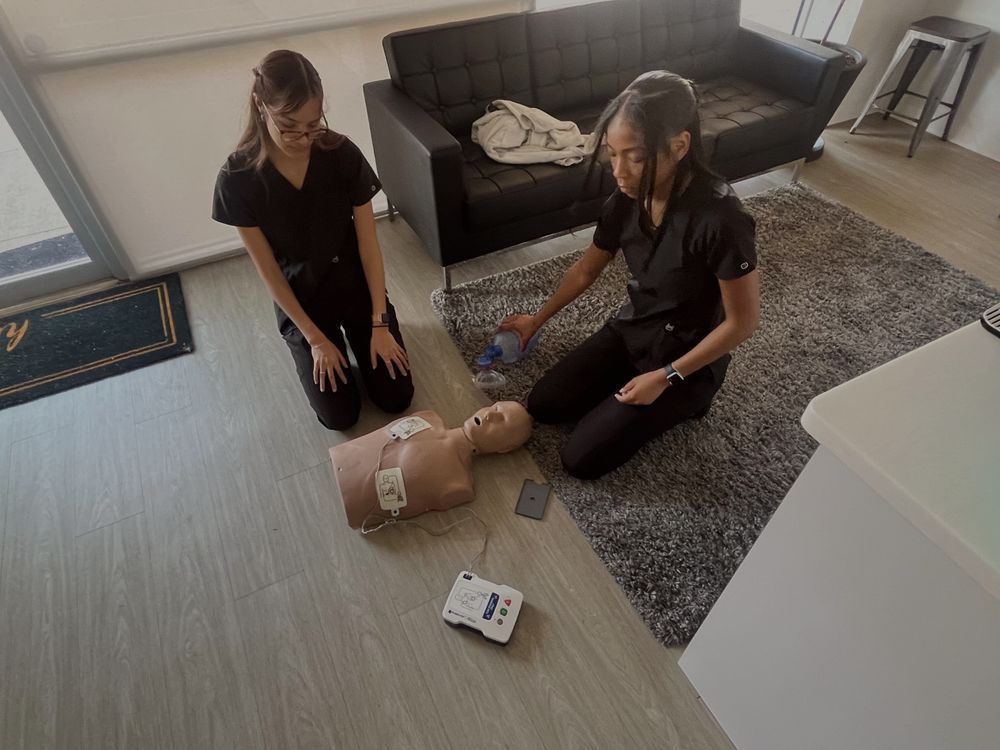
Training for Medical Assistants Medical assistant programs are typically short—often 12 to 20 weeks depending on the school. Accelerated, hybrid programs allow students to complete coursework online while developing clinical skills in hands-on labs. Because MAs are cross-trained in administrative and clinical duties, education covers a wide range of skills, from phlebotomy to medical terminology to patient communication.
Certification, while not always mandatory, greatly improves job prospects. Many employers look for graduates from reputable programs who have practiced real clinical procedures in controlled lab environments.
Training for Surgical Technologists
Training for Surgical Technologists Surgical tech programs take longer, usually one to two years. Training focuses heavily on anatomy, physiology, surgical procedures, sterile technique, and equipment handling. Students participate in extensive clinical rotations in operating rooms, gaining direct experience in real surgeries.
Certification is highly recommended and sometimes required. The role demands a specialized skill set, making the barrier to entry higher than that of medical assisting.
Work Environment and Daily Experience
Both careers involve close interaction with healthcare teams, but the daily work experience looks very different.
Medical Assistant Work Environment
Medical assistants work in medical offices, clinics, outpatient centers, specialty practices, and sometimes hospitals. Their workday aligns closely with typical clinic hours—day shifts, limited weekend work, and predictable schedules. They interact directly with patients throughout the day and play an essential part in maintaining clinic flow.
This environment is ideal for people who:
Enjoy face-to-face patient interaction
Prefer predictable schedules
Want exposure to both clinical and administrative tasks
Thrive in team-centered outpatient settings
Surgical Tech Work Environment
Surgical technologists work almost exclusively in hospital operating rooms or surgical centers. The work is physically demanding and fast-paced. Shifts may be long, include nights or weekends, and require on-call availability.
This environment is best for people who:
Enjoy high-pressure, technical work
Prefer behind-the-scenes roles
Want to be part of complex, lifesaving procedures
Are comfortable with blood, surgical equipment, and sterile technique
Salary Expectations: What Do These Careers Pay?
Salaries vary based on experience, employer type, and location, but both careers provide competitive pay for fast-track healthcare roles.
Medical Assistant Salary
Medical assistants typically earn between $38,000 and $48,000 per year, with higher salaries available in specialty clinics and major metropolitan areas. Experienced MAs, certified MAs, and those working in high-demand settings often earn more.
Surgical Tech Salary
Because surgical techs undergo more specialized training, their pay is higher. Most earn between $50,000 and $65,000 per year, with top earners making over $70,000. Emergency surgeries, on-call hours, and shift differentials can also boost earnings.
While surgical techs earn more on average, medical assistants benefit from shorter training programs and more predictable schedules—valuable advantages for many students.
Skills Needed to Succeed in Each Career
Skills Needed to Succeed in Each Career
Although both roles require compassion, professionalism, and attention to detail, each career demands its own set of strengths.
Although both roles require compassion, professionalism, and attention to detail, each career demands its own set of strengths.
Skills for Medical Assistants
Skills for Medical Assistants
Medical assistants succeed when they have:
Medical assistants succeed when they have:
Strong communication and interpersonal skills
Organizational and multitasking ability
Comfort with basic clinical procedures
Empathy and patient-focused service
Ability to learn quickly and adapt to varied responsibilities
Because they work closely with patients, MAs need a blend of technical and customer-service skills.
Skills for Surgical Technologists
Skills for Surgical Technologists
Surgical techs typically excel when they possess:
Excellent manual dexterity
Strong focus and precision
Comfort in high-pressure situations
Understanding of sterile technique
Understanding of sterile technique Ability to anticipate surgeons’ needs
Calm, steady performance during complex procedures
Their work requires intense concentration and steady hands in the operating room.
Their work requires intense concentration and steady hands in the operating room.
Career Growth Opportunities
Career Growth Opportunities Both professions offer advancement paths, but they differ in scope and direction.
Advancement for Medical Assistants
Medical assistants have a flexible career ladder. With experience, they can move into:
Medical assistants have a flexible career ladder. With experience, they can move into:
Lead medical assistant or supervisory roles
Medical office management
Specialized clinical roles (e.g., phlebotomist, EKG tech)
Insurance or billing positions
Patient care coordination
Nursing or physician assistant pathways
Because MAs gain exposure to so many parts of healthcare, many use the role as a launching pad to long-term careers.
Advancement for Surgical Techs
Surgical technologists typically advance within surgical services or sterile processing. With additional training or certifications, they can become:
Certified surgical first assistants
Operating room managers
Central sterile processing supervisors
Surgical equipment representatives
While the pathway is more specialized, it offers opportunities for higher pay and deeper specialization.
Which Career Is Right for You?
Which Career Is Right for You? Choosing between the two comes down to your goals, strengths, and lifestyle preferences.
Choose Medical Assisting If You Want:
A faster entry into the workforce
Direct, daily interaction with patients
A versatile role combining clinical and administrative duties
Predictable hours and work-life balance
A stepping-stone into long-term healthcare careers
Medical assisting is ideal for people who want a broad foundation in healthcare and enjoy building relationships with patients.
Choose Surgical Technology If You Want:
A highly technical, specialized role
A fast-paced environment in the operating room
Higher average starting pay
The opportunity to be part of life-saving surgeries
The opportunity to be part of life-saving surgeries
A career with clear surgical advancement routes
A career with clear surgical advancement routes Surgical tech jobs are perfect for detail-oriented individuals who thrive under pressure and prefer hands-on technical work.
Start Your Medical Assistant Career With Confidence
Start Your Medical Assistant Career With Confidence Both medical assistants and surgical technologists play critical roles in healthcare. Both are in demand, both offer meaningful patient impact, and both allow students to enter the workforce quickly. The best choice depends on your interests, time commitment, and long-term goals.
If you’re looking for a flexible, fast-growing healthcare career that can open multiple doors, medical assisting is an excellent first step—and the right training program makes all the difference.
If you’re looking for a flexible, fast-growing healthcare career that can open multiple doors, medical assisting is an excellent first step—and the right training program makes all the difference. If medical assisting feels like the right fit, Pulse Medical Assistant School can help you take the next step. Pulse is an online-first, 16-week medical assistant program designed for busy students who want to enter healthcare quickly. With intensive, in-person labs, students gain real-world experience and the confidence to help real patients receive real care.
Pulse combines flexibility, hands-on training, and career-ready curriculum so you can launch a meaningful medical assistant career sooner than you think.
You're only a few months from the medical assistant career you deserve.