Medical Assistants and EHR Systems_ What You Should Know
Medical Assistants and EHR Systems: What You Should Know
Electronic Health Records (EHRs) have transformed healthcare over the past two decades, shifting the industry from paper charts and filing cabinets to digital systems that improve accuracy, organization, and accessibility. For medical assistants (MAs), EHRs are now woven into nearly every part of the job—from scheduling appointments to updating patient charts, recording vital signs, processing insurance forms, and supporting providers during examinations. Whether you work in a busy family practice, a specialized clinic, or an urgent care center, mastering EHR systems is key to working efficiently, reducing errors, and providing excellent patient care.
Because medical assistants are often the first and last people patients interact with, they are the ones who frequently gather and input critical information. That means knowing how to navigate and use EHR platforms effectively is not just a requirement—it’s a competitive advantage. Understanding these systems helps you work more confidently with healthcare teams, impress employers, and deliver a more seamless experience to every patient who walks through the door. If you’re pursuing a medical assistant career or preparing for certification, learning the essentials of EHR systems will directly support your success. Below are six important things every medical assistant should know about EHR systems.
EHRs Improve Organization and Workflow in Clinical Settings
One of the biggest advantages of EHR systems is how they enhance organization. Instead of relying on physical charts that can be misplaced, incomplete, or difficult to read, EHRs store patient information digitally in one centralized location. Medical assistants use these systems to pull up patient histories, verify medications, check allergies, and confirm treatment plans—all within seconds.
This improved organization directly affects clinical workflow. When MAs can quickly access the information they need, providers can spend more time focusing on patient care rather than searching for documents. EHRs also streamline tasks like appointment scheduling, lab result retrieval, and prescription requests. For busy offices, this efficiency keeps the day moving smoothly and reduces bottlenecks. The more familiar an MA becomes with an EHR platform, the better they can anticipate the provider’s needs, prevent delays, and help the entire team stay on track.
Accurate Data Entry Is One of the MA’s Most Important Responsibilities
Perhaps the most critical skill medical assistants must master when working with EHRs is accurate data entry. Every detail matters—wrong medications, incorrect vital signs, and incomplete patient histories can all lead to serious medical errors. Because MAs often enter information directly into EHRs before a provider reviews it, accuracy is essential for patient safety.
Medical assistants gather vital signs, review current symptoms, confirm personal and insurance information, and update medical histories into the EHR system. They must learn to double-check everything, use correct terminology, and follow office protocols for documenting patient encounters. Good EHR habits—such as verifying the patient’s identity, ensuring all fields are fully completed, and avoiding abbreviations that aren’t approved—help maintain clean, dependable records. These best practices not only prevent mistakes but also help the medical assistant build trust with supervising physicians and nurses.
EHR Systems Support Better Communication Across Healthcare Teams
A major benefit of EHR systems is that they allow providers, specialists, labs, and pharmacies to share information more easily. Before electronic records, transferring information often required faxing documents or mailing paper files, creating delays or miscommunication. Now, EHRs allow medical assistants to send and receive data instantly.
For example, if a patient needs a lab test, MAs can submit the order electronically and receive results directly through the system. If a patient is being referred to a specialist, the MA can forward the relevant chart portions with just a few clicks. This seamless communication reduces duplication of tests, minimizes errors, and ensures that everyone caring for the patient stays informed. MAs play a key role in this communication chain, helping relay information between departments and ensuring that providers have everything they need for accurate diagnosis and treatment.
Protecting Patient Privacy Is a Legal and Ethical Requirement
Because EHRs contain sensitive personal and medical information, protecting patient privacy is one of the most important responsibilities medical assistants carry. HIPAA (Health Insurance Portability and Accountability Act) sets strict guidelines for how patient information must be stored, shared, and accessed, and violations can result in serious legal consequences for both the provider and the employee.
Medical assistants must understand how to handle electronic records securely. This includes following office policies for password protection, logging out of EHR systems before stepping away from a computer, and never sharing login credentials. It also means knowing what information can be released and to whom, as well as recognizing phishing attempts or other security risks. MAs must remain vigilant, ensuring they uphold confidentiality every time they work with an EHR system. The better their understanding of privacy laws, the more confidently they can protect patient data and maintain compliance within their workplace.
EHRs Help MAs Provide a More Personalized Patient Experience
While EHR systems are highly technical, they also support one of the most human aspects of medical assisting: building strong patient relationships. Because EHRs offer quick access to detailed medical histories, MAs can personalize care in meaningful ways. When the system shows past medical conditions, allergies, or recent concerns, it allows the medical assistant to greet patients more thoughtfully and prepare providers with relevant details.
For example, if the EHR shows that a patient recently started a new medication, the MA can prepare questions about side effects. If the patient’s chart notes a chronic condition like asthma or diabetes, the MA can ensure updated vitals and treatment information are added before the doctor enters the room. These small touches not only make patients feel heard but also make the visit more productive. EHRs empower medical assistants to engage patients with greater confidence and professionalism.
Additionally, MAs often use EHRs to print or send after-visit summaries, schedule follow-up appointments, and explain instructions clearly. The system gives them all the details they need to ensure patients leave with the right information and understand their next steps.
You’ll Likely Train on Multiple EHR Systems Throughout Your Career
While many medical offices use popular EHR platforms like Epic, Cerner, Athenahealth, or NextGen, each system has unique features and layouts. Because of this, medical assistants must be adaptable and ready to learn new platforms quickly. Your first job may use one EHR, while your next employer may use a completely different one. Fortunately, once you’re comfortable with one system, learning others becomes much easier.
Most medical assistant training programs now include EHR simulations to build your confidence before you enter the workforce. These simulations help you learn how to input data, document patient encounters, retrieve lab results, and navigate digital charts—skills you can take to any clinical environment. The more EHR experience you gain, the more marketable you become to employers.
Being tech-savvy is a major advantage in modern healthcare. Offices look for medical assistants who can jump in quickly, learn the software, and help support efficient daily operations. By staying open to learning new technologies and practicing consistently, you’ll develop the agility needed to adapt to any EHR environment.
Start Your Medical Assistant Career With Confidence
Start Your Medical Assistant Career With Confidence Electronic Health Records have become the backbone of modern healthcare, and medical assistants are central to keeping these systems running smoothly. From improving organization and patient communications to supporting privacy and compliance, MAs use EHRs every day to create better patient outcomes and healthier clinical workflows. Understanding these systems not only makes your job easier—it makes you a more valuable member of the healthcare team.
If you’re preparing for a medical assistant career or want to strengthen your EHR skills, the right training program can help you learn faster and enter the workforce with confidence.
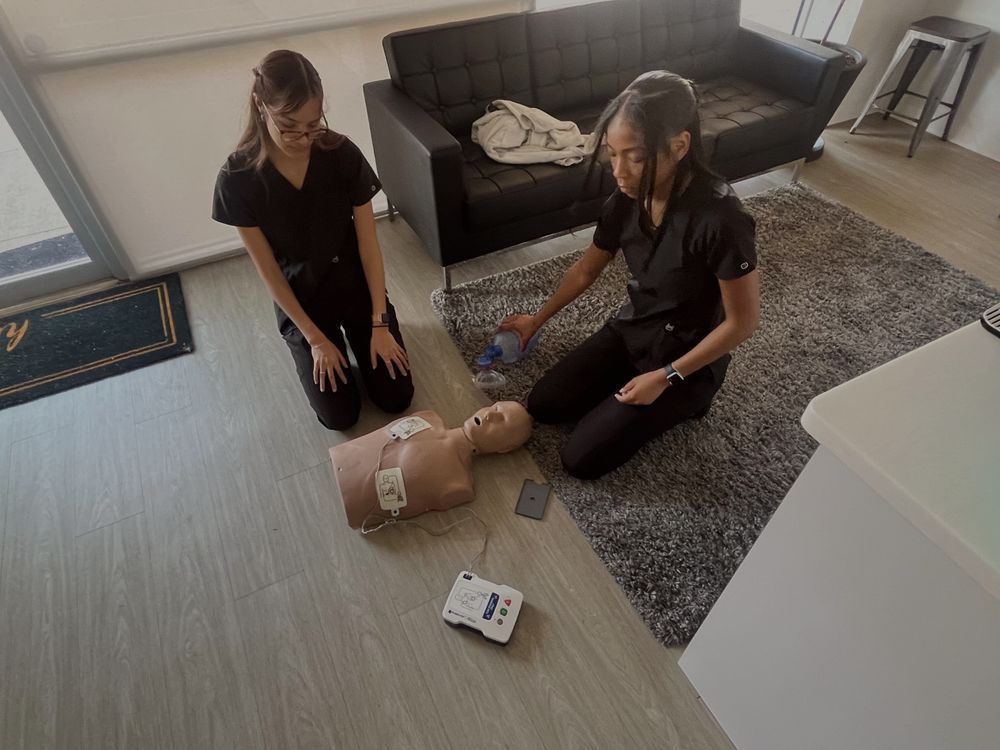
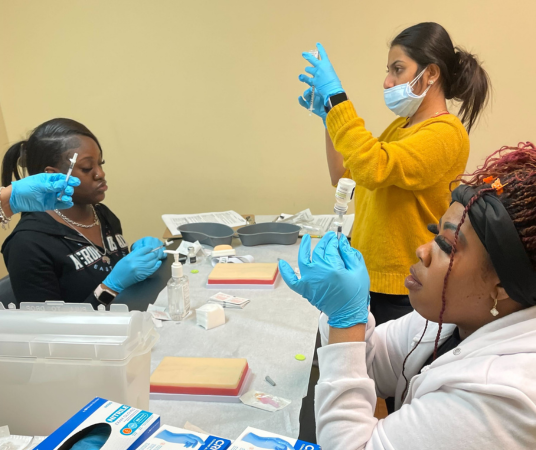
If you’re preparing for a medical assistant career or want to strengthen your EHR skills, the right training program can help you learn faster and enter the workforce with confidence. If you’re ready to become a medical assistant who feels confident using EHR systems, Pulse Medical Assistant School can help you get there. Pulse is an online-first, 16-week medical assistant program featuring intensive, in-person labs that give aspiring MAs the hands-on experience they need to help real patients receive real care. With flexible online coursework and practical training, you’ll graduate ready to succeed in clinics, hospitals, and specialty practices that rely on EHR systems every day.
You're only a few months from the medical assistant career you deserve.