Medical Assisting in Outpatient vs. Inpatient Settings_ What’s the Difference_
Medical Assisting in Outpatient vs. Inpatient Settings: What’s the Difference?
Medical assistants play a vital role across the healthcare system, supporting providers, caring for patients, and keeping clinical operations running smoothly. However, not all medical assisting roles look the same. One of the most important distinctions aspiring medical assistants should understand is the difference between working in outpatient versus inpatient healthcare settings.
Both environments offer rewarding career paths, but they differ in pace, responsibilities, patient interactions, and daily routines. Understanding these differences can help future medical assistants choose the work environment that best matches their skills, preferences, and long-term career goals.
Understanding the Two Care Settings
Understanding the Two Care Settings At a high level, the distinction between outpatient and inpatient care comes down to how long patients remain under medical supervision.
Outpatient settings treat patients who come in for appointments, procedures, or routine care and leave the same day. These environments are focused on efficiency, preventive care, and ongoing patient relationships.
Inpatient settings involve patients who are admitted to a hospital or facility for overnight stays or extended medical treatment. These environments focus on acute care, continuous monitoring, and collaboration across large care teams.
While medical assistants can work in both types of settings, the nature of their day-to-day work often differs significantly.
What Medical Assisting Looks Like in Outpatient Settings
What Medical Assisting Looks Like in Outpatient Settings Outpatient medical assisting is the most common employment path for medical assistants, especially early in their careers. These settings include primary care offices, specialty clinics, urgent care centers, outpatient surgery centers, and community health clinics.
Daily Responsibilities in Outpatient Clinics
In outpatient environments, medical assistants often split their time between clinical and administrative tasks. A typical day may include rooming patients, taking vital signs, updating medical histories, preparing patients for exams, assisting with minor procedures, and administering injections or vaccines as permitted by state law.
Administrative duties are also common, such as scheduling appointments, handling phone calls, verifying insurance, updating electronic health records (EHRs), and coordinating follow-up care. Because patients are usually seen on a scheduled basis, outpatient medical assistants play a key role in keeping appointments on time and ensuring a smooth patient flow.
Patient Relationships and Continuity of Care
One defining feature of outpatient medical assisting is the opportunity to build long-term relationships with patients. Medical assistants may see the same patients repeatedly for annual exams, chronic disease management, or follow-up visits. This continuity allows medical assistants to become familiar faces, which can help reduce patient anxiety and improve overall care experiences.
Medical assistants in outpatient settings often serve as a bridge between patients and providers, reinforcing instructions, answering basic questions, and helping patients feel comfortable during visits.
Work Schedule and Environment
Outpatient medical assistants typically work standard business hours, such as weekdays from morning to early evening. While some clinics offer extended hours or weekend appointments, schedules are generally predictable compared to hospital settings.
The environment is often smaller and more structured, with fewer emergencies and a steady, appointment-based workflow. This predictability appeals to medical assistants who value routine, work-life balance, and a calmer pace.
What Medical Assisting Looks Like in Inpatient Settings
What Medical Assisting Looks Like in Inpatient Settings Inpatient medical assisting roles are less common than outpatient roles but can be found in hospitals, rehabilitation centers, psychiatric facilities, and long-term care environments. These settings involve patients who require continuous care and monitoring.
Clinical Focus and Scope of Work
In inpatient environments, medical assistants tend to focus more heavily on clinical support rather than administrative tasks. Responsibilities may include monitoring vital signs, assisting nurses and physicians with patient care, preparing rooms for admissions or procedures, transporting patients, and supporting care teams with documentation.
Because inpatient settings operate around the clock, medical assistants may also assist with patient rounds, discharge preparation, and coordination between departments. The work is often fast-paced and requires adaptability as patient conditions can change quickly.
Patient Interaction and Care Intensity
Unlike outpatient settings, inpatient medical assistants often work with patients during acute or serious health episodes. Patients may be recovering from surgery, managing complex conditions, or receiving intensive treatment.
As a result, interactions may be more emotionally demanding. Medical assistants must communicate clearly, maintain professionalism under pressure, and show empathy to patients and families navigating stressful situations. While relationships may be shorter in duration, they can be deeply impactful.
Scheduling and Shift Work
Inpatient medical assistants are more likely to work shifts, including nights, weekends, and holidays. Hospitals and inpatient facilities operate 24/7, and staffing needs reflect that reality.
This schedule can appeal to individuals who prefer flexible or nontraditional hours, but it may be challenging for those seeking a predictable routine. The physical demands of inpatient work, including long periods on your feet, are also important considerations.
Key Differences Between Outpatient and Inpatient Medical Assisting
Key Differences Between Outpatient and Inpatient Medical Assisting While both roles require strong clinical skills and patient-centered care, several key differences stand out.
Pace and Workflow
Outpatient settings are generally structured and appointment-driven, allowing medical assistants to anticipate patient needs throughout the day. Inpatient environments are more dynamic, with unexpected changes, emergencies, and urgent care needs influencing daily priorities.
Administrative vs. Clinical Balance
Outpatient medical assistants often perform a mix of front-office and clinical duties. Inpatient medical assistants typically focus more on hands-on patient care and supporting licensed clinical staff, with fewer administrative responsibilities.
Team Structure
Outpatient medical assistants usually work closely with a small group of providers, such as one or two physicians or nurse practitioners. In inpatient settings, medical assistants may collaborate with larger, multidisciplinary teams that include nurses, specialists, therapists, and hospital staff.
Work Environment
Outpatient clinics tend to be smaller, quieter, and more controlled environments. Inpatient settings can be busier, louder, and more physically demanding, especially during peak hours or emergencies.
Skills That Translate Across Both Settings
Skills That Translate Across Both Settings Regardless of the environment, successful medical assistants share a core set of skills. Strong communication, attention to detail, professionalism, and empathy are essential in both outpatient and inpatient roles.
Clinical competencies such as taking accurate vital signs, maintaining sterile technique, assisting with procedures, and documenting patient information are foundational across settings. Adaptability is particularly important, as medical assistants must adjust to different workflows, patient populations, and provider expectations.
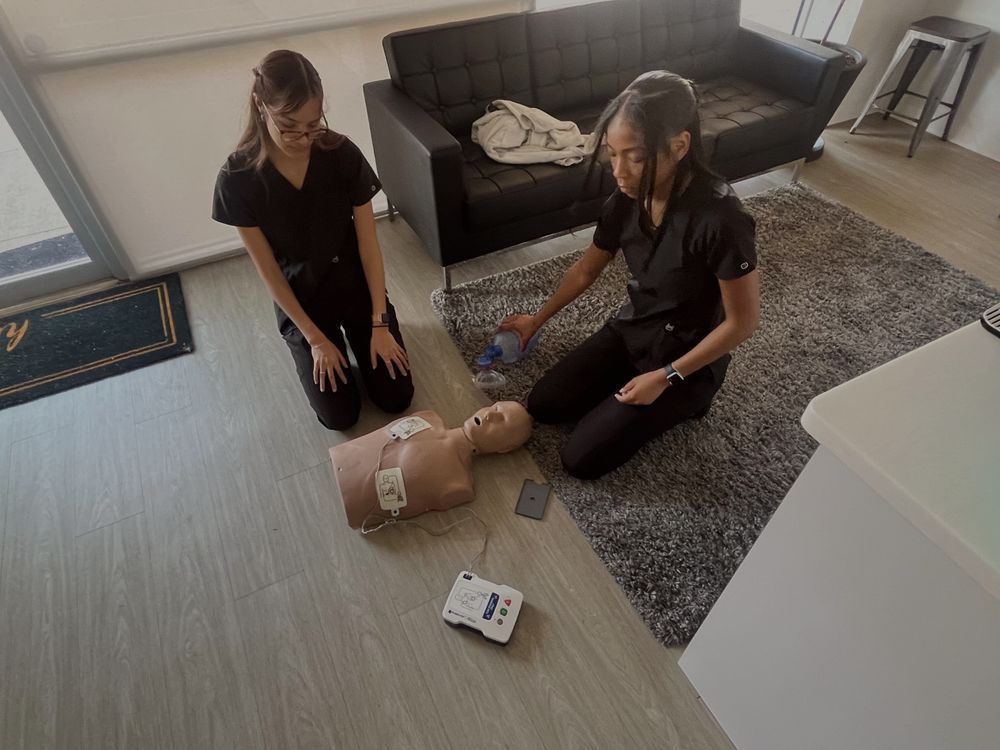
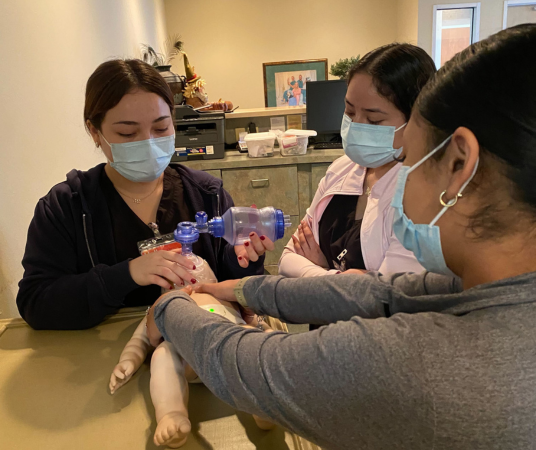
Training programs that combine online learning with hands-on practice help prepare medical assistants to transition between settings with confidence.
Training programs that combine online learning with hands-on practice help prepare medical assistants to transition between settings with confidence.
Which Setting Is Right for You?
Choosing between outpatient and inpatient medical assisting depends largely on personal preferences and career goals.
Choosing between outpatient and inpatient medical assisting depends largely on personal preferences and career goals. Outpatient medical assisting may be a good fit for individuals who value predictable schedules, long-term patient relationships, and a balanced mix of administrative and clinical work. It is often an excellent entry point into healthcare for those new to the field.
Inpatient medical assisting may appeal to those who thrive in fast-paced environments, enjoy hands-on clinical care, and are comfortable with shift work. It can also be a valuable experience for medical assistants interested in advancing within hospital systems or exploring specialized healthcare roles.
Some medical assistants work in both settings over the course of their careers, gaining a well-rounded perspective and expanding their skill sets.
Training for Success in Any Setting
Training for Success in Any Setting Because outpatient and inpatient environments demand different strengths, quality training is essential. Medical assistants benefit from programs that emphasize both foundational knowledge and real-world clinical experience.
Exposure to patient simulations, lab practice, and hands-on skills training helps aspiring medical assistants feel prepared regardless of where they work. Understanding workflows, patient communication, and clinical protocols before entering the workforce can significantly reduce stress and improve confidence.
Building a Flexible Medical Assisting Career
Building a Flexible Medical Assisting Career Medical assisting is a versatile career that offers opportunities across many healthcare environments. Whether working in an outpatient clinic or an inpatient facility, medical assistants play a critical role in delivering safe, compassionate, and efficient patient care.
By understanding the differences between outpatient and inpatient settings, aspiring medical assistants can make informed decisions about their training and career paths. With the right preparation, medical assistants can adapt, grow, and find fulfillment in either environment.
Start Your Medical Assisting Career with Confidence
Start Your Medical Assisting Career with Confidence If you’re ready to prepare for a medical assisting career that can thrive in both outpatient and inpatient settings, Pulse Medical Assistant School offers a flexible path forward. Pulse is an online-first, 16-week medical assistant program that combines convenient online coursework with intensive, in-person labs designed to build real-world clinical confidence. Graduates leave ready to help real patients receive real care—no matter where their medical assisting career takes them.
You're only a few months from the medical assistant career you deserve.