Medical Assisting in Rural Healthcare Settings_ Challenges and Rewards
Medical Assisting in Rural Healthcare Settings: Challenges and Rewards
Rural healthcare plays a vital role in keeping communities healthy, connected, and supported—often with fewer resources and smaller care teams than urban medical environments. For medical assistants, working in a rural healthcare setting can be both demanding and deeply fulfilling. These roles require adaptability, strong interpersonal skills, and a willingness to step into a wide range of responsibilities.
While rural medical assisting comes with unique challenges, it also offers meaningful rewards that many healthcare professionals find unmatched. From building long-term relationships with patients to gaining hands-on experience across multiple clinical areas, rural healthcare settings provide medical assistants with opportunities to grow professionally while making a tangible impact on their communities.
Wearing Many Hats in a Rural Clinic
One of the most defining aspects of medical assisting in rural healthcare is the broad scope of responsibilities. Unlike large hospitals or specialty clinics where roles may be narrowly defined, rural clinics often rely on medical assistants to support nearly every aspect of daily operations.
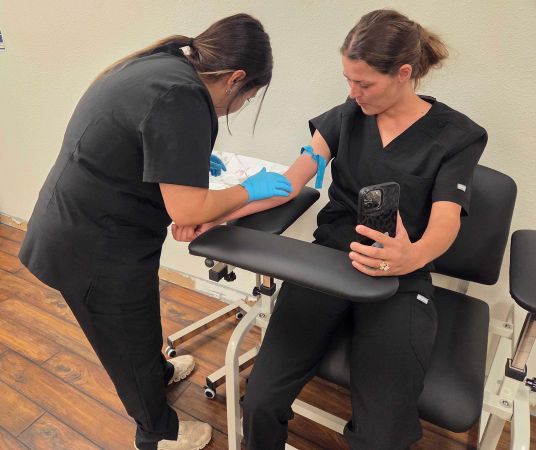
A medical assistant in a rural setting may handle patient intake, take vital signs, assist with procedures, manage lab specimens, schedule appointments, handle billing questions, and help maintain medical records—all within the same shift. This variety keeps the work dynamic but requires strong organizational skills and confidence in multitasking.
While the workload can feel intense, it also accelerates skill development. Medical assistants gain hands-on experience across both clinical and administrative functions, making them well-rounded professionals who are comfortable adapting to changing patient needs and clinic demands.
Limited Resources and Creative Problem-Solving
Rural healthcare facilities often operate with fewer resources than urban medical centers. Clinics may have limited access to advanced medical equipment, fewer support staff, and longer wait times for specialist referrals. For medical assistants, this environment requires flexibility and creative problem-solving.
Medical assistants may need to troubleshoot equipment issues, help patients navigate long-distance referrals, or assist providers in maximizing the tools and supplies available. Clear communication and teamwork become essential when resources are stretched thin.
Although limited resources can be challenging, they also encourage medical assistants to develop resilience and adaptability. Learning how to provide high-quality care within constraints strengthens critical thinking skills and prepares medical assistants to perform effectively in a wide range of healthcare environments.
Building Strong, Long-Term Patient Relationships
One of the most rewarding aspects of rural medical assisting is the opportunity to form meaningful, long-term relationships with patients. In small communities, patients often visit the same clinic for years—or even decades—and medical assistants frequently care for multiple generations of the same family.
Medical assistants become familiar faces patients trust. They may see neighbors, classmates, and local business owners during appointments, creating a strong sense of connection and accountability. This continuity of care allows medical assistants to better understand patients’ health histories, social circumstances, and ongoing needs.
These relationships can be emotionally fulfilling, as medical assistants witness the positive impact of their work firsthand. Helping patients manage chronic conditions, recover from illness, or navigate preventative care feels especially meaningful when those patients are part of the same community.
Addressing Healthcare Access Barriers
Rural patients often face significant barriers to healthcare access, including long travel distances, limited transportation, financial constraints, and shortages of healthcare providers. Medical assistants play a crucial role in helping bridge these gaps.
In rural settings, medical assistants may assist with care coordination, help patients schedule follow-up appointments, and provide education on medication adherence or lifestyle changes. They may also support telehealth appointments, helping patients connect with specialists who are located hours away.
This role requires empathy, patience, and cultural awareness. Medical assistants often serve as advocates for patients, helping them navigate the healthcare system and access the care they need despite logistical challenges. Knowing that their support directly improves access to care is a powerful motivator for many medical assistants.
A Close-Knit Healthcare Team Environment
Rural healthcare teams are typically smaller, which creates a close-knit working environment. Medical assistants often work side by side with physicians, nurse practitioners, nurses, and administrative staff, fostering strong professional relationships.
This team-based approach encourages collaboration and open communication. Medical assistants may have more direct interaction with providers and greater involvement in patient care decisions than they would in larger facilities. This exposure builds confidence and enhances clinical understanding.
The supportive nature of rural healthcare teams can also improve job satisfaction. When everyone relies on one another, medical assistants often feel valued and recognized for their contributions. This sense of belonging and shared purpose strengthens morale and creates a positive workplace culture.
Professional Growth Through Hands-On Experience
Because rural clinics serve diverse patient populations with a wide range of healthcare needs, medical assistants gain extensive hands-on experience. From preventative care and chronic disease management to urgent care visits and patient education, rural medical assistants encounter a broad spectrum of clinical scenarios.
This exposure helps medical assistants develop strong foundational skills early in their careers. They learn to think critically, communicate effectively with patients, and support providers in delivering comprehensive care.
For medical assistants interested in long-term career growth, rural healthcare experience can be a valuable asset. Employers across healthcare settings recognize the adaptability, independence, and versatility developed in rural roles.
The Emotional Rewards of Community Impact
Perhaps the most meaningful reward of working as a medical assistant in a rural setting is the sense of purpose that comes from serving a community in need. Rural clinics often act as lifelines, providing essential healthcare services where options are limited.
Medical assistants play a direct role in improving community health outcomes by supporting preventative care, managing chronic conditions, and helping patients feel seen and heard. The impact of their work is tangible, personal, and deeply appreciated by patients.
For many medical assistants, knowing that their efforts contribute to the well-being of neighbors and families makes the challenges worthwhile. The gratitude and trust of patients reinforce the importance of their role in rural healthcare.
Work-Life Balance and Lifestyle Considerations
While rural healthcare can be demanding, some medical assistants appreciate the lifestyle benefits that often come with rural work. Shorter commute times, quieter surroundings, and a slower pace of life can contribute to improved work-life balance.
Rural clinics may also offer more predictable schedules compared to large hospitals, depending on the setting. This stability can be appealing to medical assistants seeking consistent hours and a strong connection between their professional and personal lives.
Each rural setting is unique, but many medical assistants find that the lifestyle aligns well with their values and long-term goals.
Preparing for a Career in Rural Medical Assisting
Preparing for a Career in Rural Medical Assisting Success in rural healthcare starts with strong training. Medical assistants must be confident in both clinical and administrative skills, comfortable working independently, and prepared to adapt to a wide range of patient needs.
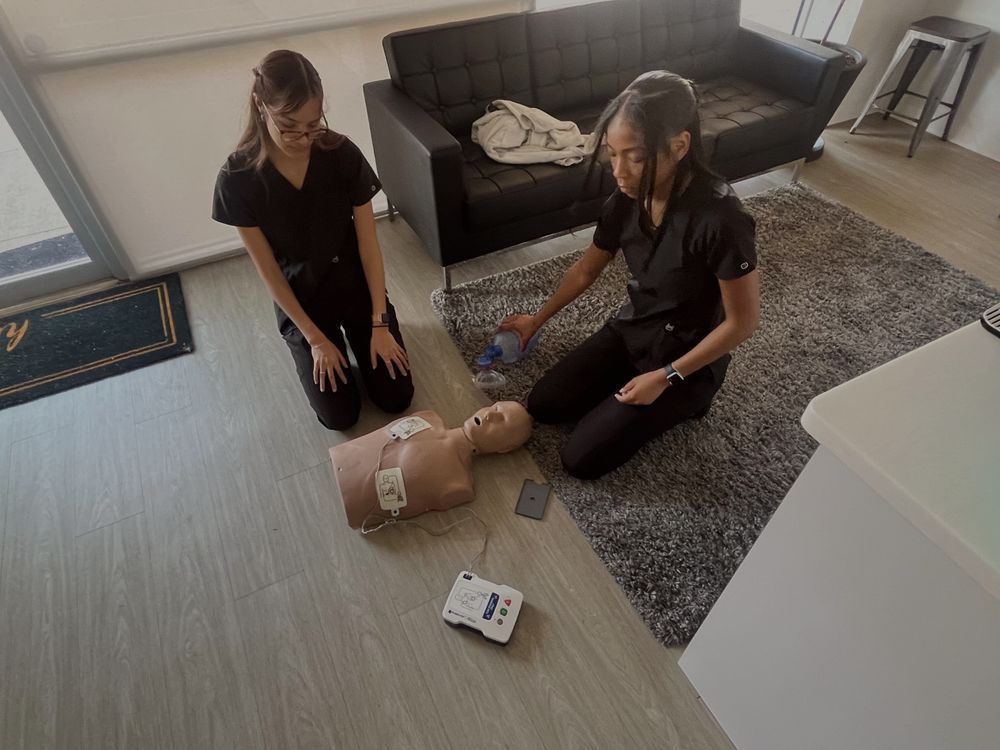
Programs that emphasize hands-on learning, real-world scenarios, and patient interaction help prepare aspiring medical assistants for the realities of rural healthcare. A solid educational foundation ensures that medical assistants can step into rural roles with confidence and competence.
Take the First Step Toward a Meaningful Medical Assisting Career
Take the First Step Toward a Meaningful Medical Assisting Career If you’re drawn to a healthcare career that combines hands-on skills, meaningful patient relationships, and real community impact, medical assisting in rural healthcare settings may be the right path for you.
Pulse Medical Assistant School offers an online-first, 16-week medical assistant program designed to prepare students for real-world clinical environments. With intensive, in-person labs, Pulse equips aspiring medical assistants with the confidence, skills, and experience needed to help real patients receive real care—whether in rural communities or beyond.
By choosing the right training program, you can build a rewarding career that makes a difference where it matters most.
You're only a few months from the medical assistant career you deserve.