Medical Assisting in Telepsychiatry and Virtual Care Environments_ 5 Things to Know
Medical Assisting in Telepsychiatry and Virtual Care Environments: 5 Things to Know
Telepsychiatry and virtual care are transforming how patients access mental health services, and medical assistants are playing a growing role in making these models successful. As behavioral health providers increasingly rely on secure video platforms, remote monitoring tools, and digital documentation, medical assistants are no longer limited to traditional in-office responsibilities. Instead, they are becoming essential connectors between patients, providers, and technology.
For aspiring medical assistants, understanding how telepsychiatry works—and what is expected in virtual care environments—can open doors to flexible, in-demand roles across mental health clinics, integrated care practices, and telehealth organizations. Whether working remotely or supporting virtual visits from a clinic setting, medical assistants must adapt their skills to meet the unique needs of digital behavioral health care. Below are five key things every medical assistant should know about working in telepsychiatry and virtual care environments.
Telepsychiatry Requires Strong Digital and Technical Competence
In telepsychiatry settings, technology is not just a tool—it is the foundation of care delivery. Medical assistants are often responsible for helping patients access virtual appointments, troubleshooting basic technical issues, and ensuring that telehealth platforms function smoothly before and during sessions. This includes verifying audio and video connections, confirming patient logins, and assisting with digital intake forms or consent documentation.
Unlike traditional clinical environments, virtual care demands comfort with multiple digital systems at once. Medical assistants may work with electronic health records (EHRs), secure messaging platforms, appointment scheduling software, and HIPAA-compliant video conferencing tools simultaneously. Understanding how these systems integrate allows medical assistants to support providers efficiently while minimizing disruptions during sensitive psychiatric appointments.
In addition, medical assistants must be proactive in identifying potential technical barriers for patients. Some individuals may struggle with internet access, device compatibility, or platform navigation. By providing clear instructions and calm guidance, medical assistants help reduce patient frustration and anxiety, ensuring that telepsychiatry visits remain focused on care rather than technology challenges.
Privacy and Confidentiality Are Even More Critical in Virtual Settings
While patient privacy is always essential in healthcare, telepsychiatry introduces additional layers of responsibility. Medical assistants must ensure that virtual visits comply with HIPAA and other privacy regulations, even when care takes place outside a traditional clinical environment. This includes verifying patient identities, confirming that patients are in a private space, and using secure communication platforms approved by the organization.
Medical assistants often assist with pre-visit protocols that protect confidentiality, such as confirming consent for telehealth services and documenting patient acknowledgment of virtual care policies. They may also help educate patients about safeguarding their own privacy—such as using headphones, closing other applications, or choosing a quiet, private room for sessions.
In mental health care, confidentiality is closely tied to trust. Medical assistants who demonstrate professionalism and attentiveness to privacy concerns help build patient confidence in telepsychiatry services. This trust is especially important for patients discussing sensitive emotional or psychological issues in a virtual environment.
Communication Skills Matter More Than Ever in Telepsychiatry
In virtual care settings, nonverbal cues can be harder to detect, and communication gaps may occur more easily. Medical assistants play a key role in bridging these gaps by using clear, empathetic, and patient-centered communication. Whether interacting with patients through video, phone, or secure messaging, medical assistants must convey warmth, clarity, and professionalism.
Medical assistants may be responsible for conducting virtual intake interviews, collecting health histories, or confirming medication lists before psychiatric appointments. Doing so requires asking thoughtful questions, listening actively, and documenting information accurately. Because telepsychiatry patients may feel disconnected or hesitant in virtual settings, medical assistants help set a supportive tone that encourages openness and engagement.
Effective communication also extends to collaboration with providers. Medical assistants often relay patient concerns, technical issues, or behavioral observations to psychiatrists, psychologists, or psychiatric nurse practitioners. Clear documentation and timely communication ensure that providers have the information they need to deliver high-quality mental health care, even from a distance.
Medical Assistants Support Care Coordination in Virtual Mental Health
Telepsychiatry does not operate in isolation—it is often part of a broader care network that includes primary care providers, therapists, social workers, and community resources. Medical assistants help coordinate this network by managing referrals, scheduling follow-up appointments, and ensuring continuity of care across virtual and in-person services.
In many telepsychiatry roles, medical assistants assist with medication management workflows. This may include documenting prescription changes, coordinating refill requests, and monitoring patient adherence through virtual check-ins. Accurate documentation and attention to detail are critical, particularly when patients receive care across multiple platforms or providers.
Medical assistants may also support crisis protocols in virtual environments. While they do not diagnose or treat mental health conditions, they are often trained to recognize warning signs and escalate concerns appropriately. Understanding emergency procedures, provider communication pathways, and patient safety protocols is essential for supporting telepsychiatry teams effectively.
Telepsychiatry Expands Career Flexibility and Opportunities
One of the most appealing aspects of telepsychiatry for medical assistants is the expanded range of career opportunities. Virtual care environments allow medical assistants to work in outpatient mental health clinics, integrated care practices, telehealth startups, and large healthcare systems offering remote services. Some roles may involve fully remote work, while others blend in-person and virtual responsibilities.
Telepsychiatry also encourages skill diversification. Medical assistants gain experience in behavioral health workflows, digital health technologies, and patient engagement strategies that are increasingly valuable across healthcare settings. These skills can support long-term career growth, including transitions into specialty clinics, care coordination roles, or leadership positions within virtual care teams.
As demand for mental health services continues to rise, telepsychiatry is expected to remain a critical access point for patients nationwide. Medical assistants who understand virtual care environments and behavioral health workflows are well-positioned to meet this demand and build resilient, future-focused careers.
Start Your Career in Virtual Care with Pulse Medical Assistant School
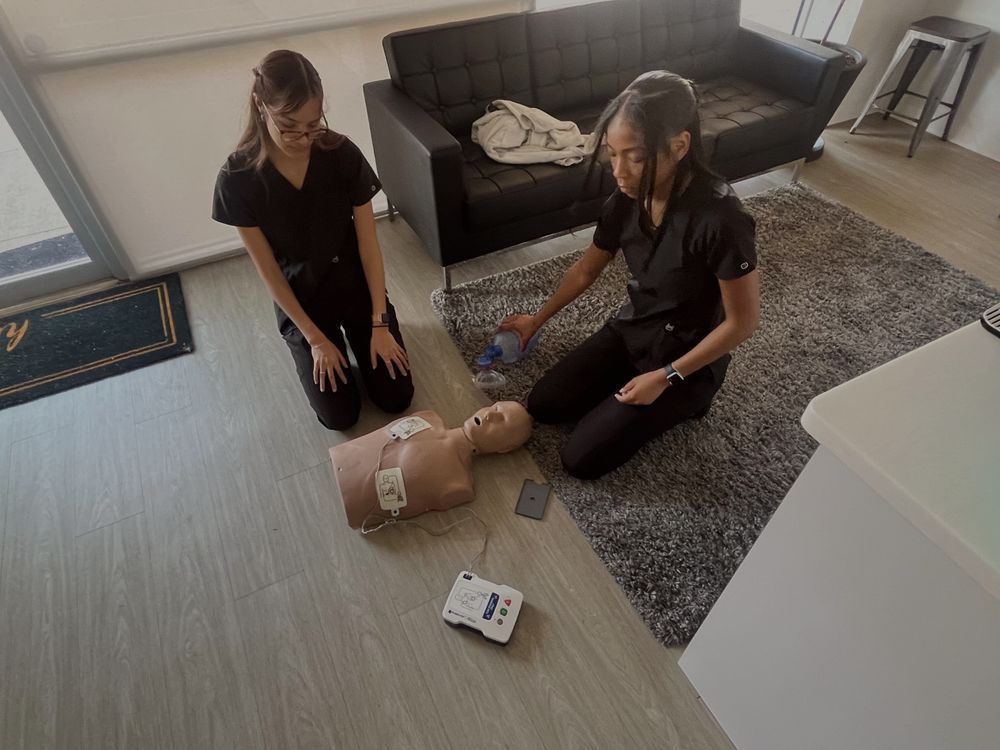
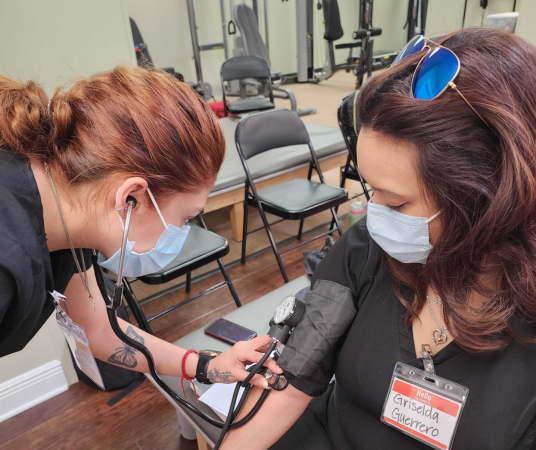
Start Your Career in Virtual Care with Pulse Medical Assistant School Medical assisting in telepsychiatry and virtual care environments requires confidence, adaptability, and hands-on clinical skills. Pulse Medical Assistant School prepares students for these modern healthcare roles through an online-first, 16-week medical assistant program designed to meet today’s industry needs. With intensive, in-person labs that reinforce real-world clinical competencies, Pulse equips aspiring medical assistants with the knowledge and confidence to support real patients and deliver real care—whether in person or through virtual platforms.
If you’re ready to build a medical assisting career that embraces the future of healthcare, Pulse Medical Assistant School offers the training, structure, and support to help you succeed.
You're only a few months from the medical assistant career you deserve.