Navigating an Allied Health Environment as a Medical Assistant_ 6 Tips
Navigating an Allied Health Environment as a Medical Assistant: 6 Tips
Working in an allied health environment means collaborating with a variety of healthcare professionals—nurses, physicians, therapists, technicians, and administrative teams—to deliver high-quality patient care. For medical assistants, this dynamic setting can be exciting, fast-paced, and full of new learning opportunities. At the same time, it requires confidence, adaptability, and a strong professional foundation to navigate effectively.
Whether you’re stepping into your first clinical role or looking to strengthen your teamwork and communication skills, knowing how to operate successfully in an allied health environment can make a huge difference in your experience and performance. The more you understand how each part of the care team works together, the more capable you’ll be of contributing meaningfully and supporting both patients and colleagues.
Below are six essential tips to help you excel in an allied health environment as a medical assistant.
Understand Each Team Member’s Role
One of the best ways to thrive in an allied health setting is to understand who does what—and why their role matters. Medical assistants may work alongside nurses, physicians, imaging technicians, physical therapists, occupational therapists, medical laboratory professionals, and other specialists. Each plays a unique part in patient care, and knowing their responsibilities helps you know where you fit in.
Take the time to observe and learn how different departments function. For example, understanding how laboratory workflows operate makes it easier to collect specimens correctly and ensure they’re processed promptly. Knowing how nurses and physicians prefer to receive patient updates helps streamline communication. When you understand the larger picture, you contribute with confidence and avoid duplication or errors.
Appreciating others’ roles also strengthens team collaboration. It allows you to anticipate needs, support colleagues, and build positive working relationships—a skill that benefits you throughout your career.
Strengthen Your Communication Skills
Communication is one of the most important skills in healthcare—especially in a busy allied health environment where many people interact with the same patients. Clear, concise communication prevents misunderstandings, reduces patient risks, and increases efficiency.
As a medical assistant, you’ll use communication skills constantly. This includes:
Relaying accurate patient information between departments
Clarifying instructions from providers
Communicating treatment steps to patients
Asking questions to ensure proper understanding
Updating colleagues during shift changes
Developing strong communication habits starts with being intentional. Practice active listening, which involves making eye contact, repeating back critical instructions, and asking clarifying questions when needed. When giving updates, avoid vague language; instead, use specific, factual details (“blood pressure was 138/84 at 9:30 AM” versus “normal earlier”).
In stressful or fast-paced moments, clear communication helps maintain calm and reduces confusion—making you an invaluable asset to your team.
Embrace Collaboration and Teamwork
An allied health environment depends heavily on teamwork. Patient care is rarely handled by one person alone; instead, it unfolds across departments, shifts, and specialties. This means the success of each patient interaction relies on shared effort and mutual respect.
As a medical assistant, you can support teamwork by being flexible, dependable, and proactive. This might look like assisting a nurse who’s overwhelmed during intake, updating a provider when a patient’s symptoms change, or helping cover another MA’s station during a short break. Even small contributions help build trust.
It’s also helpful to participate in team huddles or shift meetings. These moments give you insight into big-picture goals and potential challenges for the day. When everyone is aligned, patient care flows more smoothly and efficiently.
Collaboration also means knowing when to ask for help. Medical assistants are multitaskers, but no one can (or should) do everything alone. Asking for assistance shows responsibility—not weakness—and keeps patients safe.
Stay Organized in a Fast-Paced Setting
Allied health environments can move quickly. Patients need to be roomed efficiently, documentation must be accurate, providers require prompt updates, and schedules shift throughout the day. With so many moving parts, staying organized is essential for both patient care and your own stress management.
Strong organizational habits help you:
Prioritize tasks in the correct order
Avoid missing important patient updates
Maintain accurate medical documentation
Keep exam rooms and supplies stocked
Work efficiently during busy periods
Many medical assistants rely on checklists, standard workflows, or color-coded systems to stay on track. Keeping patient charts and electronic health record (EHR) entries up to date prevents delays and ensures providers have the information they need.
Organization also applies to your physical workspace. A clean, well-stocked exam room helps you work faster and deliver better care. Small steps like checking supplies at the start of every shift or prepping materials before procedures help the entire team run smoothly.
Continue Building Clinical and Administrative Skills
The allied health environment evolves—new technologies, new protocols, and new workflows appear all the time. Medical assistants who stay committed to learning not only feel more confident but also increase their value to the healthcare team.
As you gain experience, focus on strengthening both clinical and administrative skills. On the clinical side, this may include:
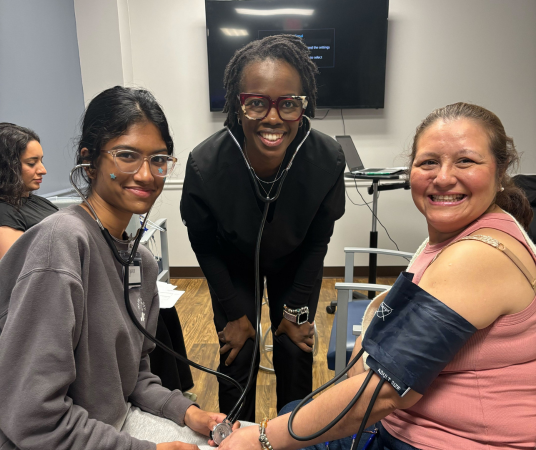
Taking vital signs with accuracy
Administering injections
Preparing patients for exams
Preparing patients for exams Conducting basic lab tests
Assisting with minor procedures
On the administrative side, skills such as scheduling, billing, insurance verification, and EHR management can significantly boost your career options.
On the administrative side, skills such as scheduling, billing, insurance verification, and EHR management can significantly boost your career options. Seeking training opportunities, volunteering for new responsibilities, and asking questions all help you grow. Many medical assistants also choose to earn national certification to expand their skills and job opportunities.
In a rapidly changing healthcare landscape, ongoing learning keeps you adaptable and prepared for new challenges.
Maintain Professionalism and Patient-Centered Care
Every decision in healthcare affects someone’s well-being, which means professionalism and compassion should guide all your actions. Medical assistants are often the first point of contact for patients, so your demeanor sets the tone for their entire visit.
Professionalism includes:
Respecting patient privacy and confidentiality
Following HIPAA regulations
Maintaining appropriate boundaries
Keeping a calm and caring tone
Being punctual, reliable, and prepared
Handling stressful situations with composure
Patient-centered care means showing empathy, listening carefully, and acknowledging patient concerns even when the clinic is busy. Something as simple as explaining the next steps, easing anxieties before a procedure, or offering reassurance can make a major difference in the patient experience.
Professionalism also extends to interactions with coworkers. Treating everyone with respect, addressing conflict calmly, and speaking kindly contribute to a positive workplace culture—and help you stand out as a dependable team member.
Thriving in an Allied Health Environment
Navigating an allied health environment as a medical assistant is both rewarding and challenging. When you understand each team member’s role, communicate clearly, stay organized, remain open to collaboration, strengthen your clinical and administrative skills, and uphold professionalism, you help create a workplace where patients receive outstanding care and healthcare teams can operate efficiently.
These skills don’t just make you effective—they make you a valued member of the healthcare community who contributes meaningfully to the patient journey. With the right training and hands-on experience, you can enter the field confident, capable, and ready to succeed.
Start Your Journey with Pulse Medical Assistant School
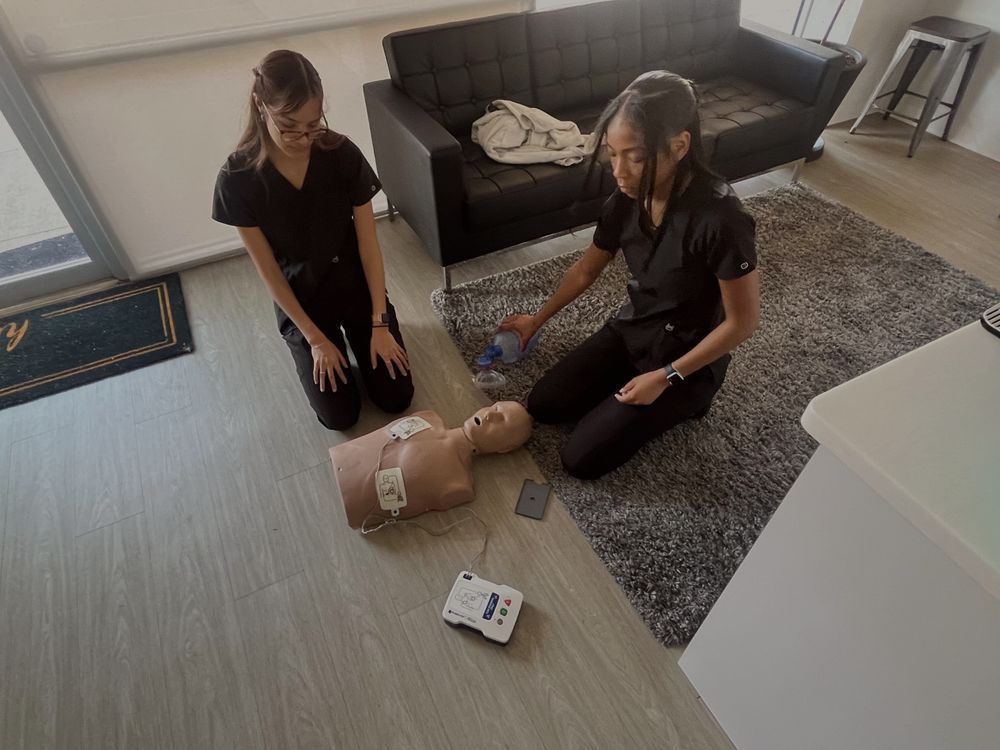
Start Your Journey with Pulse Medical Assistant School If you’re ready to build the skills and confidence needed to thrive in an allied health environment, Pulse Medical Assistant School can help you get there. Pulse is an online-first, 16-week medical assistant program designed for aspiring medical assistants who want flexible learning paired with hands-on experience. With intensive, in-person labs, you’ll gain the practical skills needed to help real patients receive real care—and enter the workforce prepared for success.
Whether you’re transitioning into healthcare or building on existing experience, Pulse gives you the foundation to excel in today’s demanding clinical settings. Your future in allied health starts with the right training.
You're only a few months from the medical assistant career you deserve.