No Degree_ No Problem—11 Healthcare Careers You Can Start Fast
No Degree? No Problem—11 Healthcare Careers You Can Start Fast
Breaking into healthcare doesn’t always require a four-year degree. In fact, many people begin meaningful, stable, and well-paying healthcare careers through short-term training programs that focus on hands-on skills rather than lengthy academic requirements. If you want to make a difference, support patients, and get your foot in the door quickly, you have more options than you may realize.
These fast-start roles are designed for career changers, recent high school graduates, working parents, and anyone who needs a quicker path to a reliable job. Most of these roles can be learned in a few weeks or months—meaning you can transition into a respected healthcare position without going deep into debt or spending years in school. Below are 11 rewarding healthcare careers you can start quickly, along with the essential skills, training expectations, and career benefits for each.
Medical Assistant
Medical assistants (MAs) are the backbone of outpatient care. They support physicians by performing clinical tasks like taking vital signs, preparing exam rooms, administering injections (depending on state regulations), scheduling appointments, and managing patient records. Because medical assistants work across specialty clinics—from pediatrics to cardiology to dermatology—they often enjoy stable schedules and strong job security.
Training to become a medical assistant can take as little as a few months. Hybrid or accelerated programs help students build both clinical and administrative skills through a combination of online learning and hands-on lab practice. This makes the career especially appealing for people who want to enter the workforce quickly while gaining practical, real-world competency.
Phlebotomy Technician
Phlebotomy technicians are trained to draw blood for tests, transfusions, research, and donations. It’s a critical responsibility—blood samples help diagnose conditions, monitor treatment, and guide preventive care. Phlebotomists work in hospitals, labs, blood donation centers, and clinics, making it a great entry point into many healthcare environments.
Most phlebotomy programs can be completed in 4–12 weeks. Students learn venipuncture techniques, safety protocols, and patient communication skills. Because nearly every healthcare setting needs phlebotomists, job openings remain consistently high, providing strong employment prospects for new entrants.
Certified Nursing Assistant (CNA)
Certified nursing assistants provide essential hands-on care for patients in nursing homes, hospitals, rehabilitation facilities, and home-care settings. They help patients with daily activities such as bathing, dressing, eating, and mobility. CNAs also support nursing staff by monitoring vital signs and reporting changes in patient behavior or condition.
CNA programs typically take 4–12 weeks, depending on your state. Training includes classroom instruction, skills labs, and supervised clinical hours. Because CNAs are in high demand—especially with an aging population—it’s one of the fastest, most reliable ways to start working in healthcare without a degree.
Patient Care Technician (PCT)
Patient care technicians take CNA work a step further, combining basic nursing care with specialized skills like EKG testing, phlebotomy, and wound care. PCTs work closely with nurses to support patient recovery, monitor health changes, and reinforce treatment plans. This makes the role ideal for anyone who wants a deeper clinical experience without committing to a long academic pathway.
Many PCT programs take 12–24 weeks and prepare students for multiple certifications. Because PCTs have a wider skill set than CNAs, they often qualify for more diverse jobs and competitive pay. This role can also act as a stepping-stone to nursing, medical assisting, or other advanced healthcare careers.
Pharmacy Technician
Pharmacy technicians assist pharmacists in preparing and dispensing medications. They also handle inventory, verify prescription information, label medications, and help customers understand basic dosage instructions. Pharmacy technicians can work in hospitals, retail pharmacies, mail-order pharmacies, and specialty pharmacies.
Training programs often take 10–20 weeks and prepare students for the Pharmacy Technician Certification Exam (PTCE). With medication needs rising across all populations, certified pharmacy technicians enjoy steady employment, flexible scheduling, and a clear path to advancement—especially if they want to become pharmacists later on.
EKG Technician
EKG (electrocardiograph) technicians perform diagnostic tests that monitor heart function. They attach electrodes to patients, operate EKG equipment, record readings, and communicate results to physicians. EKG testing is vital for identifying heart conditions such as arrhythmias, blockages, and cardiac abnormalities.
Training can be completed in just a few weeks or months. EKG technicians often work in hospitals, emergency rooms, cardiology clinics, and long-term care centers. The role is excellent for detail-oriented individuals who enjoy working directly with patients while also supporting critical diagnostic decisions.
Dental Assistant
Dental assistants keep dental offices running smoothly by assisting dentists during procedures, sterilizing instruments, taking X-rays, scheduling appointments, and supporting patient education. The role blends chairside clinical duties with office responsibilities, making it perfect for someone who enjoys variety.
Dental assistant programs generally take 8–24 weeks and include clinical practice in real dental settings. Because nearly every dental office in the country hires assistants, graduates can often secure a job quickly. Dental assisting also offers a stable, Monday-through-Friday schedule—great for work-life balance.
Medical Billing and Coding Specialist
Medical billing and coding specialists manage the behind-the-scenes work of translating healthcare services into standardized codes for insurance reimbursement. They work with electronic health records, insurance claims, fee schedules, and compliance regulations. Their accuracy directly impacts how providers get paid.
Many programs can be completed online in 4–6 months, and some graduates work remotely. Because medical billing and coding experts are essential for every healthcare organization, the field offers long-term job stability and the flexibility to work in hospitals, clinics, billing companies, or from home.
EMT (Emergency Medical Technician)
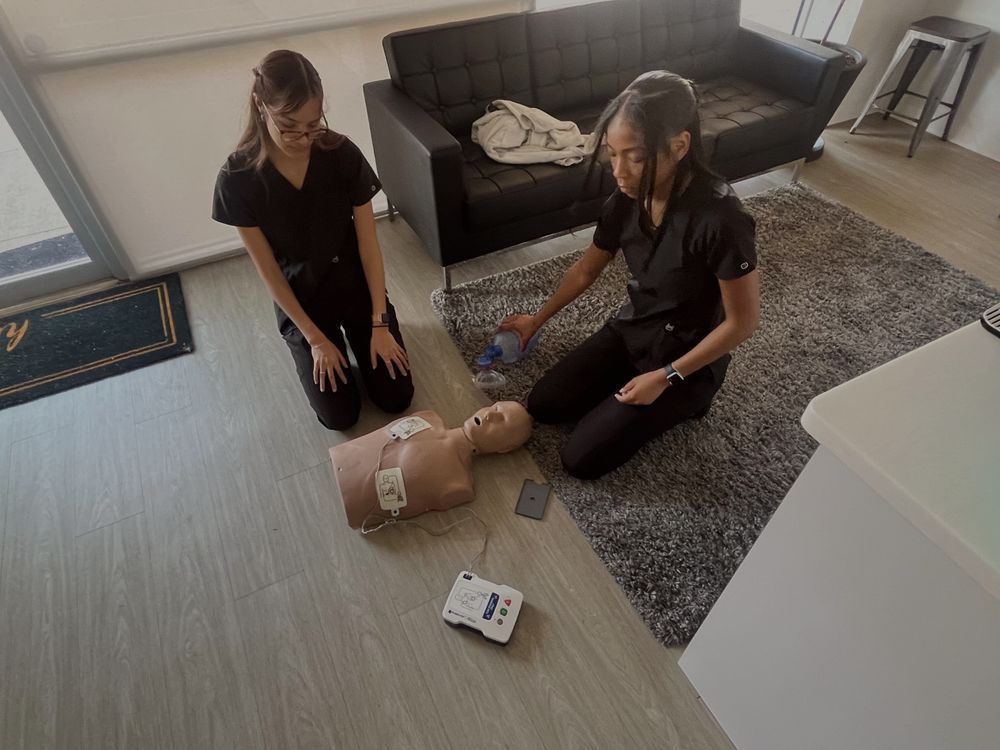
EMTs are first responders trained to provide life-saving care during emergencies. They assess patient conditions, stabilize injuries, control bleeding, perform CPR, and transport patients safely to medical facilities. This fast-paced role is perfect for people who thrive in high-intensity environments and want to make an immediate impact.
Basic EMT programs usually take 3–6 months and include coursework in anatomy, trauma response, airway management, and hands-on emergency simulations. Once certified, EMTs can work for ambulance services, fire departments, hospitals, or emergency response organizations—often with opportunities to advance to paramedic roles.
Behavioral Health Technician
Behavioral health technicians (also called mental health technicians or psychiatric technicians) assist patients receiving treatment for mental health or substance use conditions. They help implement treatment plans, observe patient behavior, manage crisis situations, and provide emotional support during recovery.
Training varies but often takes 8–16 weeks. With rising awareness around mental health, behavioral health roles offer extremely strong job prospects. This position also creates a meaningful path for individuals who want to support vulnerable populations while contributing to long-term behavioral wellness.
Physical Therapy Aide
Physical therapy aides work in rehabilitation clinics, hospitals, and sports medicine facilities to support physical therapists and physical therapist assistants (PTAs). Their responsibilities include helping patients move safely, setting up therapy equipment, cleaning treatment areas, and assisting with basic therapeutic exercises.
Training programs can typically be completed in a few weeks or months. Physical therapy aides enjoy predictable schedules and rewarding patient interactions, especially when they get to witness someone regain mobility, reduce pain, or return to daily activities after injury or surgery.
Kickstart Your Healthcare Career With Pulse Medical Assistant School
Kickstart Your Healthcare Career With Pulse Medical Assistant School You don’t need a four-year degree—or even a two-year degree—to build a fulfilling career in healthcare. With short-term training, hands-on learning, and the right support, you can step into a meaningful role that lets you help others and grow professionally. Whether you want to work directly with patients, support clinical staff, or specialize in administrative tasks behind the scenes, there’s a path that fits your goals, schedule, and long-term aspirations.
These 11 careers aren’t just quick ways to get started—they’re stepping-stones that can launch you into advanced positions in the future. Many professionals use roles like medical assisting, phlebotomy, and PCT work to explore different specialties, gain real experience, and eventually choose the path that’s right for them.
If you’re ready to begin your healthcare journey fast, Pulse Medical Assistant School offers one of the most efficient and respected pathways into patient care. Pulse is an online-first, 16-week medical assistant program with intensive, in-person labs that help students build real confidence working with real patients. With hands-on clinical training, flexible online coursework, and career-aligned instruction, Pulse prepares you to step into the field fully ready to succeed.
Your healthcare career can start sooner than you think—Pulse can help you take the first step.
You're only a few months from the medical assistant career you deserve.