OB-GYN Medical Assistant Role_ Duties, Salary & Career Path
OB-GYN Medical Assistant Role: Duties, Salary & Career Path
Choosing a path in medical assisting opens the door to many exciting specialties—but few are as personal, meaningful, and hands-on as obstetrics and gynecology. OB-GYN medical assistants support women through every stage of life, from adolescence and pregnancy to menopause and beyond. For compassionate individuals who love patient interaction and want to help deliver confident, supportive care, this specialty offers a deeply fulfilling career.
Whether you’re considering medical assisting for the first time or exploring ways to grow within the field, the OB-GYN medical assistant role provides a blend of administrative duties, clinical responsibilities, and steady career advancement. This guide explains what OB-GYN medical assistants do, what the salary looks like, and the full career path—from entry level to expanded healthcare opportunities.
What Does an OB-GYN Medical Assistant Do?
What Does an OB-GYN Medical Assistant Do? OB-GYN medical assistants work alongside obstetricians, gynecologists, midwives, nurses, and other healthcare professionals who specialize in women’s reproductive health. Their work combines traditional medical assisting responsibilities with specialty-specific tasks that support patients during routine visits, prenatal care, and reproductive health procedures.
Below are the core duties you can expect in this specialty.
Greeting and Preparing Patients
One of the most important responsibilities of an OB-GYN medical assistant is setting the tone for every patient visit. Many patients feel anxious or vulnerable during reproductive health appointments, so providing a welcoming, supportive environment is essential.
Common tasks include:
Common tasks include:
Bringing patients from the waiting room to the exam room
Updating patient health records
Reviewing symptoms and medical history
Explaining what will happen during the appointment
Ensuring patients are comfortable and informed
Because OB-GYN appointments involve sensitive topics, medical assistants must be skilled in empathy, patient education, and trauma-informed communication.
Assisting With Exams and Procedures
OB-GYN medical assistants play a direct role in patient care by supporting physicians during exams and procedures such as:
Pap smears
Pelvic exams
Prenatal check-ups
Breast exams
Contraceptive insertions (IUD, implant)
Biopsies
Minor in-office surgical procedures
You may be responsible for preparing exam rooms, laying out instruments, collecting samples, labeling specimens, and ensuring all equipment is sterilized. During procedures, you’ll hand instruments to the provider, support patient positioning, and help maintain a sterile and efficient environment.
Taking and Recording Vital Signs
Accurate data is essential in obstetrics and gynecology, especially during pregnancy. OB-GYN medical assistants must efficiently gather and record vital signs such as:
Weight
Blood pressure
Height
Temperature
Pulse
Fetal heart tones (in prenatal care settings)
These readings help providers track trends, monitor fetal development, and detect complications early.
Administering Labs, Screenings & Tests
Blood and urine tests are routine in OB-GYN practices. Medical assistants often manage:
Pregnancy tests
STI screenings
Glucose tests
Hemoglobin tests
Urinalysis
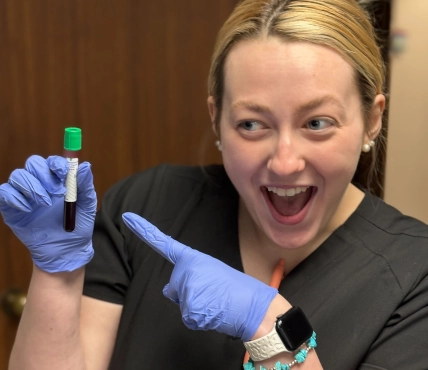
Blood draws (depending on state rules)
Sample collection support
You may also organize specimens for external labs, enter lab orders, and communicate results to patients according to your clinic’s guidelines.
Supporting Prenatal Care
Working in obstetrics means forming long-lasting relationships with patients throughout pregnancy. OB-GYN medical assistants play a major role in prenatal care by:
Working in obstetrics means forming long-lasting relationships with patients throughout pregnancy. OB-GYN medical assistants play a major role in prenatal care by:
Scheduling regular prenatal visits
Documenting fetal development
Educating patients on nutrition and prenatal vitamins
Assisting with ultrasounds (support—not performing unless trained)
Preparing patients for glucose tolerance tests
Preparing patients for glucose tolerance tests Helping monitor symptoms like swelling, contractions, or high blood pressure
Prenatal support is a major reason why OB-GYN medical assisting is one of the most rewarding specialties in the field.
Managing Patient Education
Education is a major part of reproductive health. OB-GYN medical assistants frequently help explain topics such as:
Birth control options
Pre-pregnancy planning
Safe prenatal practices
Postpartum care
Menopause symptoms and management
Screening schedules (Pap smears, mammograms, etc.)
You may provide printed materials, review medication instructions, discuss after-visit summaries, and answer basic patient questions within your scope of practice.
Administrative Responsibilities
Like all medical assistants, OB-GYN MAs help ensure the practice runs smoothly behind the scenes. Administrative tasks may include:
Scheduling appointments
Managing referrals to specialists
Coordinating imaging appointments (ultrasounds, mammograms)
Updating electronic health records (EHR/EMR)
Handling billing or insurance forms
Answering phone calls and patient questions
This blend of clinical and administrative work is ideal for individuals who enjoy variety in their day-to-day responsibilities.
OB-GYN Medical Assistant Salary
Medical assistant salaries vary by location, experience, and employer type. However, OB-GYN medical assistants frequently earn slightly more than general medical assistants due to their specialized clinical responsibilities.
Average Salary Range
Most OB-GYN medical assistants earn:
$38,000–$50,000 per year
$18–$24 per hour, depending on region
Higher salaries in large cities or hospital-based OB-GYN departments
Those with certifications (CMA, RMA, CCMA) typically earn more than non-certified medical assistants.
Factors That Increase Pay
Several factors can boost your salary potential:
Specialty experience (OB-GYN, women’s health, fertility)
Advanced skills such as phlebotomy or EKG
Certifications (especially CCMA or CMA)
Bilingual abilities
Experience with prenatal care
Medical assistants who stay in OB-GYN clinics often see steady wage increases due to the specialty knowledge they develop over time.
Medical assistants who stay in OB-GYN clinics often see steady wage increases due to the specialty knowledge they develop over time. Where OB-GYN Medical Assistants Work
You’ll find OB-GYN medical assistants in a variety of clinical settings, including:
Private OB-GYN clinics
Women’s health centers
Fertility clinics
Hospital maternity wings
Obstetrics departments
Family planning clinics
Public health departments
Midwife or doula practices
The variety of work environments means you can choose a setting that fits your pace—fast-moving hospitals or more personal, relationship-based private practices.
The variety of work environments means you can choose a setting that fits your pace—fast-moving hospitals or more personal, relationship-based private practices.
Skills Needed to Succeed in OB-GYN Medical Assisting
Skills Needed to Succeed in OB-GYN Medical Assisting Because reproductive healthcare is intimate and often emotional, OB-GYN medical assistants need strong people skills and technical abilities. Top skills include:
Empathy and Compassion
Patients may feel nervous about exams or results. Your support matters.
Excellent Communication
Clear, calm explanations help patients feel more informed and comfortable.
Attention to Detail
Accurate charting, vitals, and specimen labeling are crucial.
Knowledge of Reproductive Health
Understanding medical terminology and common OB-GYN conditions is essential.
Professionalism and Confidentiality
Patients trust you with sensitive information every day.
Ability to Work Under Pressure
Fast-paced clinics, emergency situations, and prenatal complications require calm focus.
Team Collaboration
You work closely with physicians, midwives, nurses, and administrative staff.
These skills strengthen over time and prepare you for more advanced roles in healthcare.
Career Path: How to Become an OB-GYN Medical Assistant
Career Path: How to Become an OB-GYN Medical Assistant Below is a typical progression for entering—and advancing within—this specialty.
Step 1: Complete Medical Assistant Training
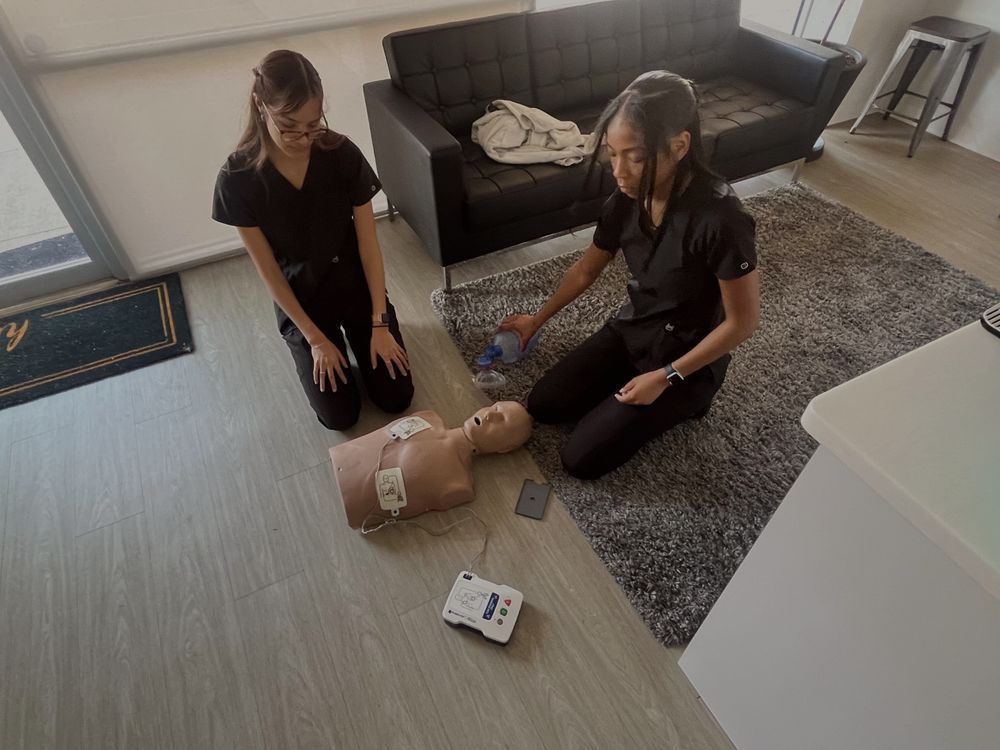
Most employers require medical assistant education from an accredited program. Many future OB-GYN MAs choose hybrid or online-first programs that allow flexibility while providing hands-on clinical practice.
Look for a program that includes:
Clinical labs
Anatomy and physiology
Women’s health modules
Phlebotomy practice
EKG basics
Medical law and ethics
Electronic health records
After training, many students complete an externship in outpatient clinics—sometimes even in OB-GYN settings.
Step 2: Earn a Certification
Certification isn’t always required but strongly preferred. It shows employers you have verified clinical skills and are ready for patient-facing work.
Popular options include:
CCMA – Certified Clinical Medical Assistant
CMA – Certified Medical Assistant
RMA – Registered Medical Assistant
Certified candidates often get hired faster and earn higher pay.
Step 3: Apply for Entry-Level Jobs
New medical assistants typically begin in roles such as:
OB-GYN medical assistant
Women’s health clinic assistant
Float MA in family medicine (with rotations in OB-GYN)
Front-desk MA hybrid roles
Once you gain experience in OB-GYN, you become more competitive for advanced responsibilities within the specialty.
Step 4: Gain Experience in the Specialty
Hands-on experience allows you to:
Assist with more complex procedures
Lead patient education
Manage prenatal care workflows
Become a go-to team member in OB-GYN settings
Become a go-to team member in OB-GYN settings Many MAs fall in love with OB-GYN because of the strong patient relationships and the chance to support women through major life events.
Step 5: Advance Your Career
OB-GYN medical assisting is an excellent foundation for long-term healthcare growth. Your experience can help you pursue:
Higher-Level Medical Assistant Roles
Lead medical assistant
Clinical supervisor
MA trainer or preceptor
Office manager
Specialized Women’s Health Roles
Ultrasound technician (requires additional training)
Lactation consultant
Doula or childbirth educator
Pathways to Other Healthcare Careers
Many medical assistants go on to become:
LPNs
Registered nurses (RNs)
Physician assistants (PAs)
Nurse midwives
Healthcare administrators
The skills gained in OB-GYN—patient communication, clinical support, and reproductive health knowledge—prepare you for a wide range of roles.
The skills gained in OB-GYN—patient communication, clinical support, and reproductive health knowledge—prepare you for a wide range of roles.
Is OB-GYN Medical Assisting Right for You?
If you enjoy working closely with patients, providing emotional support, learning specialized clinical skills, and being part of milestone moments like pregnancy and birth, this specialty may be the perfect fit.
You’ll work in a fast-paced, deeply meaningful environment where every day brings a chance to make patients feel seen, supported, and cared for. With strong job stability, competitive pay, and incredible growth potential, OB-GYN medical assisting offers a long-term career with purpose.
Start Your Healthcare Career With Confidence
Start Your Healthcare Career With Confidence If you’re ready to start a rewarding career in women’s healthcare, your first step is the right training program. Pulse Medical Assistant School offers an online-first, 16-week medical assistant program with intensive, in-person labs that give aspiring medical assistants the hands-on experience needed to help real patients receive real care.
Start your journey with clinical confidence—and take your first step toward a meaningful future in medical assisting.
You're only a few months from the medical assistant career you deserve.