Phlebotomist or Medical Assistant_ What to Know Before You Choose

Phlebotomist or Medical Assistant? What to Know Before You Choose
If you’re drawn to a career in healthcare but aren’t sure where to begin, phlebotomy and medical assisting are two of the most accessible and rewarding entry points. Both roles offer fast training, the chance to work directly with patients, and the ability to build valuable clinical experience early in your career. But while they share some overlap, the day-to-day responsibilities, training options, career growth potential, and long-term outlook can look very different.
Choosing the right path depends on what kind of work you want to do, how quickly you want to start, and where you hope your healthcare career will go. This guide breaks down everything you need to know before deciding whether becoming a phlebotomist or a medical assistant is right for you.
What Does a Phlebotomist Do?
What Does a Phlebotomist Do? Phlebotomists specialize in one primary task: drawing blood. They are trained in venipuncture, specimen labeling, and maintaining sterile procedures to protect patients and ensure accurate test results. While their role is focused, it’s also essential—bloodwork is one of the most common tools doctors use to diagnose and monitor conditions.
A phlebotomist’s day-to-day responsibilities typically include:
Collecting blood samples from patients
Preparing specimens for laboratory analysis
Preparing specimens for laboratory analysis Maintaining sanitation and safety procedures
Explaining the collection process to patients
Assisting patients who may be anxious or uncomfortable during the draw
Managing sample tracking and documentation
Some phlebotomists are also trained to perform additional duties, such as collecting non-blood specimens or performing basic point-of-care testing.
Because their work is highly specialized, phlebotomists often enjoy knowing exactly what to expect each day. If you prefer routine and want to become an expert in a single clinical skill, phlebotomy may be a great fit.
What Does a Medical Assistant Do?
What Does a Medical Assistant Do? Medical assistants (MAs) have a much broader scope of practice than phlebotomists. While they may draw blood, their work expands into many other clinical and administrative tasks that support physicians, nurses, and entire healthcare teams.
Medical assistants frequently:
Medical assistants frequently:
Take vital signs
Prep patients for exams
Perform EKGs
Handle basic wound care
Draw blood and collect specimens
Schedule appointments
Manage patient records and insurance forms
Support patient education
Assist with minor procedures
Because medical assisting includes both clinical and clerical work, no two days are alike. MAs are often the first and last healthcare professional a patient interacts with during their visit, making this an ideal role for people who enjoy fast-paced work, variety, and meaningful patient interaction.
Training Requirements: How Long Does Each Path Take?
Training Requirements: How Long Does Each Path Take? Phlebotomy Training
Phlebotomy training programs are usually short—often 4 to 12 weeks. These programs teach the essentials of blood collection, safety procedures, and anatomy related to venipuncture. After training, many states require a certification exam, although requirements vary.
Most phlebotomy students can start working in just a few months, which makes this path especially appealing if your goal is to enter the workforce quickly.
Most phlebotomy students can start working in just a few months, which makes this path especially appealing if your goal is to enter the workforce quickly.
Medical Assistant Training
Medical assistant programs take slightly longer because the role requires knowledge of both clinical and administrative skills. MA programs typically last between 12 and 16 weeks for accelerated formats and up to a year for traditional campus-based programs.
Training covers a wider range of topics:
Training covers a wider range of topics: Medical terminology
Anatomy and physiology
Clinical techniques
Patient communication
EKG performance
Phlebotomy
Administrative and billing skills
Electronic Health Records (EHR)
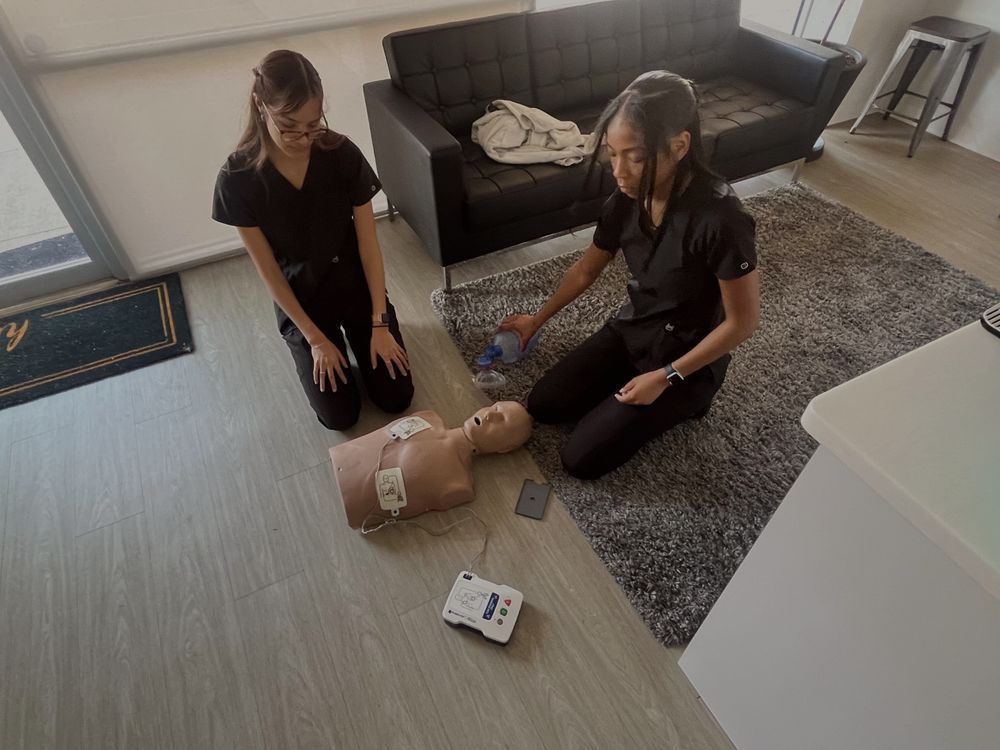
Most programs also include in-person labs or externships to help students build confidence working with real patients.
If you want a more comprehensive foundation in healthcare and the ability to take on many types of responsibilities, MA training provides a broader skill set.
Work Settings: Where Do You Work as a Phlebotomist vs. a Medical Assistant?
Phlebotomist Work Environments
Phlebotomists work wherever blood samples are collected:
Hospitals
Outpatient labs
Diagnostic centers
Mobile blood donation units
Long-term care facilities
Plasma donation centers
Because nearly every healthcare facility needs skilled phlebotomists, job opportunities are widespread. Shifts can vary significantly, especially in hospital settings, and may include nights, weekends, and holidays.
Medical Assistant Work Environments
Medical assistants typically work in:
Medical assistants typically work in:
Primary care offices
Specialty clinics
Urgent care centers
Outpatient surgical centers
Hospitals (depending on the employer)
Because medical assisting is often tied to outpatient care, many MAs enjoy regular business-hour schedules with weekends and holidays off. If work-life balance is a top priority, medical assisting may offer more predictable hours than phlebotomy.
Salary Expectations: Which Career Pays More?
Salary Expectations: Which Career Pays More? Both fields provide stable entry-level earnings, but medical assistants generally have a higher overall salary range due to their broader skill set.
Phlebotomist Salary
Phlebotomists typically earn between $36,000 and $45,000 annually depending on experience, employer, certification, and geographic location.
Those working in hospitals or specialty labs may earn more, and travel phlebotomy can offer even higher pay.
Medical Assistant Salary
Medical assistants tend to earn $38,000 to $50,000 or more per year. MAs who develop specialized skills—such as EKG testing, phlebotomy, ophthalmic assisting, or medical office leadership—may see significantly higher earning potential over time.
If maximizing long-term earning potential is important, medical assisting offers a stronger upward trajectory.
Career Growth: Which Path Has More Opportunities?
Career Growth: Which Path Has More Opportunities?
Growth Potential for Phlebotomists
Phlebotomy offers a clear and defined career path. You can advance by:
Phlebotomy offers a clear and defined career path. You can advance by:
Becoming a lead phlebotomist
Becoming a lead phlebotomist
Training new staff
Training new staff
Specializing in pediatric or neonatal phlebotomy
Transitioning into laboratory technology (with further training)
However, upward mobility can be limited without additional education. Many phlebotomists eventually pursue broader healthcare roles—often choosing to transition into medical assisting, nursing, or other clinical careers.
Growth Potential for Medical Assistants
Medical assisting provides a wider variety of long-term career options. With experience and additional certifications, MAs can move into roles such as:
Medical assisting provides a wider variety of long-term career options. With experience and additional certifications, MAs can move into roles such as:
Clinic supervisor or office manager
EKG technician
Phlebotomist
Ophthalmic or dermatology assistant
Medical billing specialist
Patient care technician
Surgical tech
Nursing pathways (LPN or RN)
Because MA programs cover many foundational clinical skills, graduates often find it easier to pivot into other healthcare careers. This makes medical assisting one of the most flexible entry-level roles for long-term growth.
Personality Fit: Which Role Matches Your Strengths?
Phlebotomy Might Be Right for You If…
You enjoy routine, predictable tasks
You want to master a single clinical skill
You are calm under pressure
You don’t mind working with needles and blood
You want to enter the workforce quickly
Phlebotomy is ideal for people who prefer technical focus over multitasking.
Medical Assisting Might Be Right for You If…
You enjoy variety and fast-paced days
You like both administrative and clinical work
You want to build a broad healthcare skill set
You love talking with and supporting patients
You want long-term career growth and flexibility
You want long-term career growth and flexibility Medical assisting appeals to people who enjoy learning multiple skills and playing an essential role in the patient care team.
Job Outlook: Which Career Is in Higher Demand?
Job Outlook: Which Career Is in Higher Demand? Both fields are growing due to increased demand for outpatient care and diagnostic testing. However, medical assisting is projected to grow faster overall.
Phlebotomy Job Growth
Demand for phlebotomists continues to rise due to increases in diagnostic testing, chronic health conditions, and expanding outpatient services. Growth is steady and reliable.
Medical Assisting Job Growth
Medical assisting is among the fastest-growing occupations in the U.S., with employers increasingly relying on MAs to support physicians and nurse practitioners. As healthcare moves toward more outpatient care, clinics need skilled medical assistants to keep operations running smoothly.
If job security and long-term demand matter to you, MA training provides a particularly strong foundation.
If job security and long-term demand matter to you, MA training provides a particularly strong foundation.
Which Path Is Better for Future Healthcare Careers?
The answer depends on your goals.
The answer depends on your goals. If you want a quick entry into a specialized role and aren’t yet sure about a long-term path, phlebotomy is an excellent way to begin. Many people use it as a stepping-stone to gain patient experience before pursuing more advanced roles.
If you want a career that offers more options, more skills, and more upward mobility, medical assisting may be the better starting point. You’ll gain clinical, technical, and administrative experience, all of which make you more versatile in any healthcare setting.
So—Phlebotomist or Medical Assistant? How to Choose
Here are a few guiding questions to help you decide:
Do you want a fast, focused role?
→ Phlebotomist
Do you want a broader, more versatile career?
→ Medical Assistant
Do you enjoy routine or do you prefer variety?
→ Routine = Phlebotomist → Variety = Medical Assistant
Do you want long-term career growth?
→ Medical Assistant offers more pathways
Do you want patient interaction?
→ Both offer it, but MAs often build longer relationships with patients
The good news? Both careers let you make a meaningful difference from day one—and both provide strong foundations for future opportunities in healthcare.
The good news? Both careers let you make a meaningful difference from day one—and both provide strong foundations for future opportunities in healthcare.
Ready to Start Your Medical Assistant Journey?
Ready to Start Your Medical Assistant Journey? If you’re leaning toward the wider opportunities, higher earning potential, and long-term stability that medical assisting provides, training is the first—and most important—step.
Pulse Medical Assistant School offers an online-first, 16-week medical assistant program with hands-on, in-person labs designed to help you build real clinical confidence. Their hybrid approach prepares aspiring MAs to support real patients and real healthcare teams from day one, making it one of the most accessible and effective ways to launch your career.
Whether you’re new to healthcare or transitioning from another role, Pulse gives you the training, support, and practical skills to succeed.
You're only a few months from the medical assistant career you deserve.