Professional Associations for Medical Assistants You Should Join

Professional Associations for Medical Assistants You Should Join
Building a long-term and fulfilling medical assisting career involves more than learning clinical skills and supporting patients every day. It also means joining a professional community—one that helps you grow, stay informed, and keep your resume competitive. Professional associations are one of the best ways to do that. These organizations give medical assistants access to resources, certifications, advocacy, and networking opportunities that aren’t always available on the job. Whether you’re new to the field or looking to take the next step, joining the right associations can open doors and strengthen your professional identity.
For medical assistants, professional associations aren’t just memberships—they’re career development engines. They help you stay current with evolving standards of care, rapidly advancing healthcare technologies, and ongoing changes in state and national regulations. They also offer continuing education, conferences, volunteer opportunities, and communities of like-minded professionals who share your goals. If you’re hoping to expand your career options, specialize, or advance into supervisory or administrative roles, becoming part of one or more medical assisting associations is a strategic first move.
American Association of Medical Assistants (AAMA)
The American Association of Medical Assistants (AAMA) is the most widely recognized organization for medical assistants in the United States—and one of the most impactful. If you want to earn the prestigious Certified Medical Assistant (CMA) credential, this is the association behind it. The AAMA sets high standards for professionalism and competence, giving employers confidence in the medical assistants who carry their certification.
Membership in the AAMA comes with a wide range of benefits. Members get access to continuing education units (CEUs), which help you maintain your CMA credential and stay up to date with clinical best practices. The association also publishes CMA Today, a respected journal full of insights about healthcare trends, patient safety, new technologies, and career development strategies. These learning tools help medical assistants stay sharp and competitive in a quickly evolving industry.
AAMA chapters across the country also host conferences, workshops, and networking events, giving medical assistants opportunities to meet mentors, discover job openings, and get involved in leadership roles. Whether you’re interested in clinical excellence, career advancement, or professional recognition, the AAMA is one of the most valuable associations you can join.
American Medical Technologists (AMT)
Another major national certification and advocacy body for allied health professionals is the American Medical Technologists (AMT). Medical assistants can earn the Registered Medical Assistant (RMA) credential through AMT, which is widely recognized by healthcare employers. AMT is known for its rigorous standards, emphasizing competence, ethical practice, and ongoing professional development.
AMT members enjoy a strong professional community with plenty of resources. The organization provides continuing education courses, study materials, and an easy-to-navigate CE tracking system that helps you manage your professional growth. Members also have access to publications, webinars, and an annual national meeting where they can learn from industry leaders and emerging voices in healthcare.
One of AMT’s most appealing features is its focus on career connection and support. The association offers a job board, volunteer leadership opportunities, and digital communities that allow medical assistants to connect with others across the country. If you’re seeking an inclusive organization with a wide scope of allied health involvement—not just medical assisting—AMT may be the perfect fit.
National Healthcareer Association (NHA)
The National Healthcareer Association (NHA) is a major certification provider and professional association for allied health workers, including medical assistants. The organization offers the Certified Clinical Medical Assistant (CCMA) credential, one of the most popular certifications for aspiring and current MAs. Because the NHA serves a variety of healthcare roles—from phlebotomists to billing specialists—it provides a broader industry perspective that can be extremely valuable for career growth.
NHA membership gives medical assistants access to a range of benefits, including continuing education, exam preparation tools, industry reports, and professional development resources. The organization focuses heavily on supporting healthcare workers as they navigate workplace changes, adopt new technologies, and improve patient outcomes. Their educational programs help medical assistants build confidence in both clinical and administrative skills.
The NHA also actively partners with employers, schools, and healthcare organizations across the country, ensuring that members remain aligned with real-world industry needs. If you want to earn a versatile credential that is recognized nationwide—and gain access to a large community of healthcare professionals—the NHA is a strong association to join.
National Center for Competency Testing (NCCT)
The National Center for Competency Testing (NCCT) offers another respected certification option for medical assistants: the National Certified Medical Assistant (NCMA) credential. NCCT is known for its thorough exam process and its emphasis on verifying real-world competency. Many employers value the NCMA because it demonstrates both foundational knowledge and practical skill readiness.
NCCT members get access to extensive study materials, practice tests, and continuing education content. For medical assistants who want structured resources to maintain their certification, NCCT’s learning tools are especially valuable. The organization also offers multiple other certifications, including phlebotomy and EKG technician credentials, making it a great choice for medical assistants who want to broaden their skill set or cross-train in related specialties.
One advantage of NCCT membership is its focus on flexibility. They offer multiple testing pathways—including options for students, graduates, and working professionals—which makes certification accessible no matter where you are in your career. Joining NCCT helps medical assistants validate their expertise, continue growing professionally, and remain competitive in the job market.
American Registry of Medical Assistants (ARMA)
For medical assistants who want to align themselves with a long-standing professional registry, the American Registry of Medical Assistants (ARMA) offers a highly respected membership option. While ARMA does not administer its own certification exam, it maintains a national registry of qualified medical assistants who have been trained or certified through approved programs. Being listed in the ARMA registry shows employers that you meet national competency standards.
ARMA membership includes access to resources such as newsletters, continuing education opportunities, and updates on changes in healthcare regulations. While the organization is smaller than some of the other national associations, many medical assistants appreciate its focus on professional recognition and ethical standards. ARMA places a strong emphasis on member accountability and adherence to high-quality patient care, which is attractive to employers.
Another benefit of ARMA is the credibility it brings to your resume. Being included in a respected national registry signals dedication to your career and commitment to maintaining professionalism. It’s an excellent option for medical assistants who want an affordable and reputable association to support their ongoing development.
Why Joining Professional Associations Matters
Why Joining Professional Associations Matters Membership in professional associations does far more than provide a line on your resume. It helps medical assistants stay connected to a field that changes rapidly, from new technologies and diagnostic tools to shifts in healthcare policy and patient expectations. Associations act as a bridge between your formal training and the everyday realities of clinical practice, ensuring that you remain adaptable and informed.
These organizations also give medical assistants access to valuable professional networks. Whether you’re looking for mentorship, job opportunities, or pathways to leadership roles, association membership can be transformative. Many medical assistants find their next role—or even their long-term specialty—through conferences, workshops, or digital forums hosted by these groups. The opportunity to learn from industry leaders and connect with peers makes associations a vital part of your career strategy.
Most associations also provide some form of continuing education, which is essential in healthcare. States and employers increasingly expect medical assistants to stay current with certifications, infection control standards, electronic health record systems, and specialized procedures. Membership ensures you always have access to the education you need to grow confidently and safely in your role.
Finally, joining professional associations signals professionalism. It shows employers that you’re serious about your career, committed to patient care, and dedicated to personal and professional growth. In a competitive job market, that commitment can make a meaningful difference.
Start Your Career With Confidence
Start Your Career With Confidence Medical assisting is one of the fastest-growing and most important roles in healthcare, and joining a professional association is one of the smartest steps you can take to strengthen your future. Organizations like the AAMA, AMT, NHA, NCCT, and ARMA support medical assistants with certifications, education, advocacy, and a sense of community—everything you need to remain confident and competitive as you grow in your career.
If you’re ready to take your next step as a medical assistant, investing in professional development through association membership is a powerful way to build momentum. Your skills and your dedication matter, and these organizations help you showcase both.
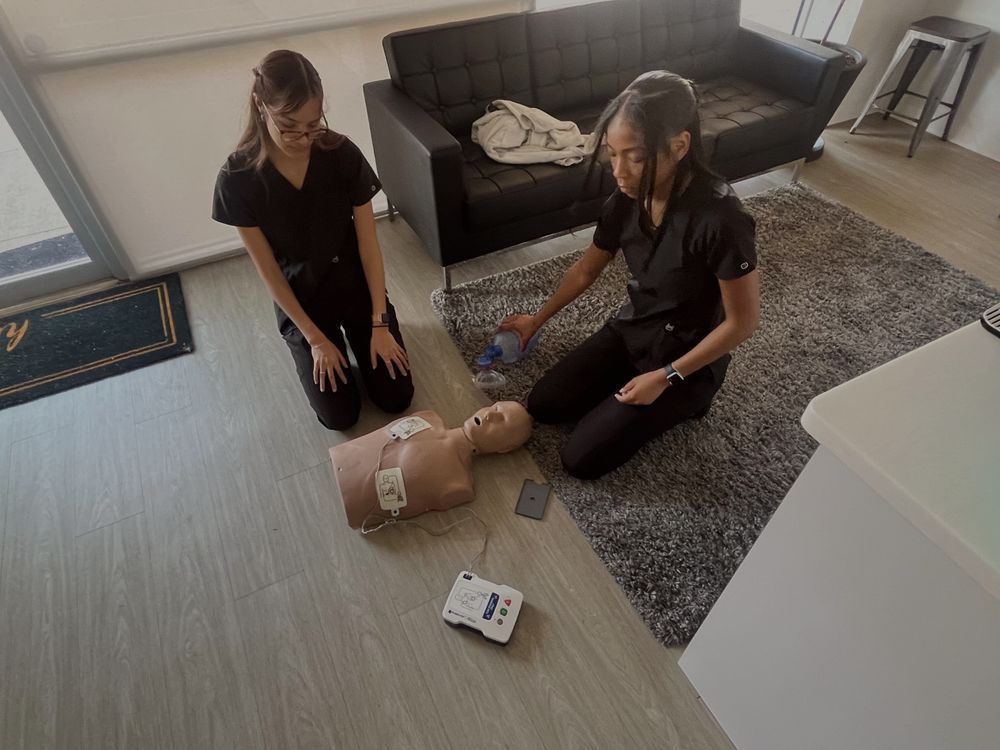
If you’re preparing for a medical assisting career—or looking to advance the one you already have—Pulse Medical Assistant School can help you get there. Pulse is an online-first, 16-week medical assistant program with intensive, in-person labs designed to give aspiring medical assistants the confidence to help real patients receive real care. With hands-on training, flexible learning, and direct support from experienced instructors, Pulse prepares you for a strong future in healthcare.
You're only a few months from the medical assistant career you deserve.