Professional Growth Tips for Medical Assistants

Professional Growth Tips for Medical Assistants
A medical assistant’s role is one of the most versatile and high-impact positions in modern healthcare. From patient communication and clinical tasks to administrative responsibilities and workflow coordination, medical assistants become essential members of every care team. Because the role touches so many parts of a medical office, there are countless opportunities to grow professionally—whether you want to advance in your current job, take on new responsibilities, or eventually transition into a more specialized healthcare role.
Professional growth is more than just learning new skills. It’s about becoming more confident, more effective, and more valuable to your employer and your patients. Whether you’re brand new to the field or several years into your career, investing in your development ensures long-term stability, better pay, and higher job satisfaction. Below are five practical and achievable professional growth tips that medical assistants can begin using right now.
Build Strong Clinical and Administrative Skills
One of the most effective ways to grow as a medical assistant is to continually sharpen the foundational skills that make you successful in both clinical and administrative settings. Your daily responsibilities already expose you to a wide range of tasks, but intentionally improving these skills helps you stand out and makes you indispensable to your team.
Clinically, this includes becoming more confident in tasks such as vital sign measurement, injections, room preparation, EKGs, and patient education. Medical assistants who stay up to date on best practices and protocols can take on more responsibility and earn more trust from nurses, physicians, and office managers. Being able to perform these duties quickly, safely, and independently is one of the clearest ways to demonstrate your professional growth.
Administratively, strengthening your skills in scheduling, charting, communicating with insurance providers, and using electronic health records (EHR) systems can set you apart. Because a medical assistant bridges the gap between the clinical and administrative sides of a practice, mastering both makes you far more valuable. Many clinics promote medical assistants who demonstrate this dual competency, especially if they show strong attention to detail and reliability.
Continue Your Education and Earn Relevant Certifications
Healthcare changes constantly, and employers look for medical assistants who take initiative to expand their knowledge. Continuing education can open doors to higher-paying opportunities and more advanced roles. Even if you already completed a training program, staying current helps you remain competitive and well-prepared for future career moves.
Certifications such as the Certified Clinical Medical Assistant (CCMA), Registered Medical Assistant (RMA), or Certified Medical Administrative Assistant (CMAA) demonstrate your commitment to professional development. Adding additional certifications—such as phlebotomy, EKG technician, or medical billing and coding—also makes you more versatile. These credentials help you take on new roles within a clinic, expand your scope of practice, and stand out during promotions or job searches.
Continuing education also prepares you for long-term career pathways. Think of your medical assistant background as a foundation. As you add new skills, you make it easier to transition into nursing, healthcare administration, phlebotomy, billing, radiology, or other specialized roles. With more credentials, you gain more control over your career path and financial future.
Improve Communication and Patient Interaction Skills
Communication is one of the most overlooked but critical skills for medical assistants. Each day, you interact with patients who may be anxious, confused, or unsure about their care. Being able to listen, explain, and guide them effectively elevates your value as a member of the care team.
Professional growth in communication includes mastering clear verbal communication, improving nonverbal cues, and learning how to tailor your communication style to different patients. For example, older patients may need slower explanations, while younger or more anxious patients may need reassurance and step-by-step guidance. Communicating effectively with physicians and other healthcare professionals is equally important. Medical assistants who can relay accurate information, take instruction well, and keep patient care flowing smoothly often stand out as leaders in their team.
Strong communication also helps build relationships that can shape your career. Employers are far more likely to promote medical assistants who demonstrate professionalism, emotional intelligence, and patience. Practices want employees who can represent them positively in every patient interaction. Strengthening these skills doesn’t just improve your current role—it sets you up for management or specialized patient-facing positions later on.
Become Proficient With Technology and EHR Systems
Technology is at the heart of modern healthcare, and medical assistants who understand digital tools have a major advantage. Clinics rely on electronic health records (EHRs), scheduling platforms, telehealth tools, and digital diagnostic devices to care for patients efficiently. The more you master these systems, the bigger your role becomes.
Start by strengthening your knowledge of major EHR systems like Epic, Cerner, NextGen, or athenahealth. Being able to chart accurately, navigate patient profiles, enter orders, and support clinicians during telehealth appointments can make you the go-to person for troubleshooting or training new team members. This type of expertise is highly valued and often leads to leadership opportunities.
Beyond EHR systems, becoming comfortable with digital scheduling, secure messaging platforms, and medical office software shows employers that you can support modern workflows. Practices often promote medical assistants who can combine clinical skill with technical efficiency. This blend of tech literacy and patient care is becoming essential as more clinics adopt virtual care and automated systems.
Seek Feedback, Mentorship, and Career Advancement Opportunities
One of the most powerful growth strategies is simply asking for feedback and actively seeking mentorship from colleagues, supervisors, or physicians. Constructive feedback helps you identify your strengths, improve weaker areas, and gain clarity on what your employer values most.
A mentor—whether it’s a nurse, doctor, lead medical assistant, or practice manager—can help you understand the expectations of advanced roles, introduce you to new responsibilities, and guide your long-term career decisions. Mentorship can also open doors to new opportunities, such as cross-training in other departments or assisting with special projects.
Additionally, don’t hesitate to express interest in advancement. Many practices promote from within, especially when a medical assistant demonstrates initiative. Whether you’re aiming for a lead medical assistant position, a specialized clinical role, or a pathway into nursing or allied health, showing ambition makes a difference.
As you grow, keep track of your achievements and the new responsibilities you take on. This helps you advocate for promotions, negotiate higher pay, and map out career milestones. Employers appreciate medical assistants who take ownership of their development—and they reward that drive.
Find a Future in Healthcare
Professional growth for medical assistants is not only possible—it’s accessible, practical, and incredibly rewarding. By building strong clinical and administrative skills, continuing your education, improving communication, mastering technology, and seeking mentorship, you can position yourself for long-term success. These strategies help you advance in your current job, earn better pay, and open doors to exciting future careers in healthcare.
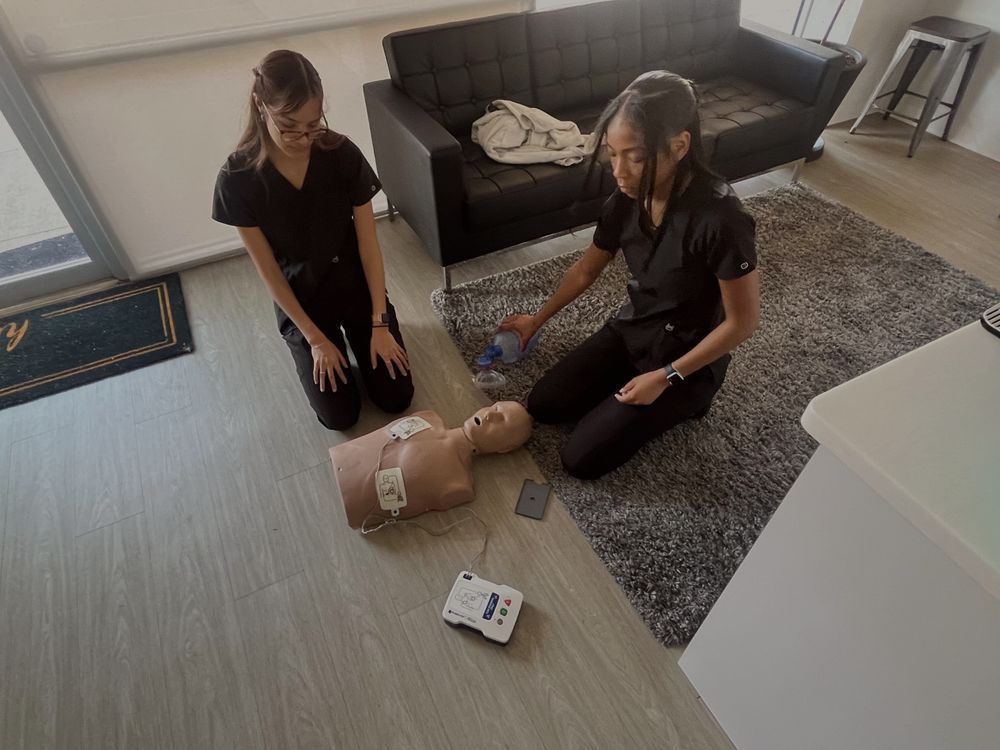
If you’re serious about taking your medical assistant career to the next level, investing in high-quality training is the first step. Pulse Medical Assistant School offers an online-first, 16-week medical assistant program with intensive, in-person labs that give aspiring medical assistants the confidence to help real patients receive real care. It’s a fast, flexible, and effective way to build the skills that fuel real professional growth.
You're only a few months from the medical assistant career you deserve.