Medical Assistant Certification: Why Pulse Includes CCMA Prep and the Exam Fee in Your Tuition
Medical assistant certification is the single fastest way to separate yourself from other candidates in the job market. It doesn’t just look good on a resume — it tells employers you’ve been trained, tested, and verified to a national standard. And at Pulse, the entire certification process is built into the program, including the exam fee.
Here’s why certification matters, how it affects what you earn, and how Pulse makes earning it as straightforward as possible.
What medical assistant certification actually does for your career
Gets you hired faster
Hiring managers reviewing applications for medical assistant positions face a simple question: “Can this person do the job?” The CCMA answers that question with a nationally recognized credential. Certified candidates consistently move through the hiring process faster because employers don’t need to spend as much time testing or verifying skills.
Increases your pay
According to Indeed, Glassdoor, and BLS salary data (2026):
- Certified MAs: approximately $44,000–$48,000/year nationally
- Non-certified MAs: approximately $38,000–$42,000/year nationally
- Typical premium: $1–$3/hour more, translating to roughly $2,000–$6,000+ per year
Over five years, that premium adds up to $10,000–$30,000 in additional income — from passing a single exam.
Opens more doors
Certain employers and settings place extra weight on certification:
- Multi-location healthcare systems with standardized hiring
- Specialty practices (cardiology, dermatology, orthopedics)
- Competitive job markets where applicants outnumber openings
- Lead or supervisory MA positions
Travels with you
The CCMA is recognized across all 50 states. If you relocate, your credential goes with you — no re-training, no re-testing.
The problem with most programs and certification
Here’s what commonly happens: you complete a training program, graduate with a certificate of completion, and then discover that certification is a separate step you need to handle on your own. That means:
- Figuring out which certification to pursue
- Finding study materials independently
- Paying a separate exam registration fee ($100–$200+)
- Scheduling and preparing for the exam without structured support
- Potentially failing because you weren’t specifically prepared for the exam format
This is where many graduates stall. They finished training but never actually get certified — and they lose the competitive advantage that comes with it.
How Pulse does it differently
Certification prep is the curriculum
At Pulse, CCMA preparation isn’t a separate course or an add-on module. It’s integrated into every week of the 16-week program. When you study anatomy, you’re studying CCMA anatomy content. When you practice phlebotomy in a lab, you’re building the exact skills the exam assesses. By graduation, you’ve been preparing for months — not cramming for weeks.
The exam fee is included in tuition
Pulse’s $2,990 tuition covers the NHA CCMA exam fee. No surprise bill, no separate registration cost. When you’re ready to test, it’s already paid for.
Hands-on labs reinforce exam content
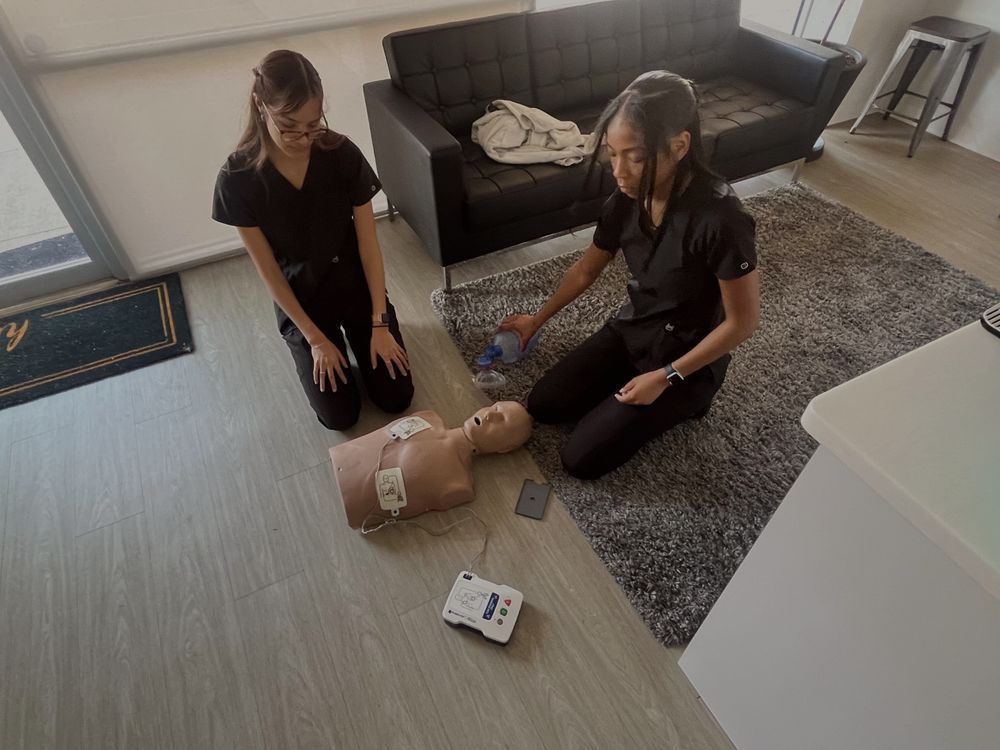
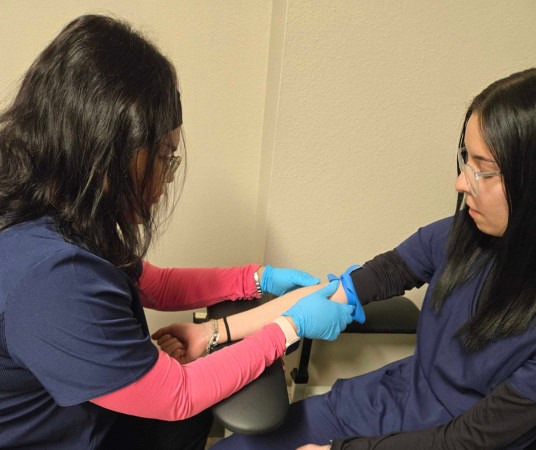
The CCMA tests both knowledge and practical competency. Pulse’s 4 in-person labs ensure you’ve physically practiced the clinical skills — vitals, phlebotomy, injections, EKGs, sterilization — that the exam covers. You’re not just studying for a test; you’re building real skills that the test verifies.
You graduate ready
By week 16, Pulse students have:
- Covered all CCMA exam content through the curriculum
- Practiced every clinical skill in supervised labs
- Completed targeted exam prep and practice questions
- Built the confidence to sit for the exam knowing they’re prepared
Is certification worth it? The ROI
Let’s keep it simple:
- Cost of certification through Pulse: $0 additional (included in $2,990 tuition)
- Additional annual income with CCMA: approximately $2,000–$6,000/year
- Payback period: Immediate — you start earning the premium from your first paycheck
Even if you paid the exam fee separately, the ROI would be obvious. When it’s already included in your tuition, it’s a no-brainer.
Get certified through Pulse
Ready to earn your medical assistant certification with everything included?
- Explore the program: Program details
- Review tuition and payment plans: Tuition
- Talk to our team: Contact
- Apply: How to apply
You're only a few months from the medical assistant career you deserve.