Medical Assistant Certification Programs: What They Include and Why Pulse's CCMA-Included Model Works

Not all medical assistant certification programs are set up the same way. Some teach you the material and leave you to figure out the certification exam on your own. Others charge thousands for the program and then hit you with a separate exam fee at the end. And some — like Pulse — build everything into one clear package.
Here’s what to look for in a certification program, how the CCMA fits in, and why the all-inclusive model saves you time, money, and stress.
What “certification program” actually means
A medical assistant certification program is a training program specifically designed to prepare you for a recognized certification exam. The most common certifications for medical assistants are:
- CCMA (Certified Clinical Medical Assistant) — through the National Healthcare Association (NHA)
- RMA (Registered Medical Assistant) — through American Medical Technologists (AMT)
- CMA (Certified Medical Assistant) — through the American Association of Medical Assistants (AAMA)
Pulse prepares students for the CCMA — one of the most widely recognized and accessible certifications in the field.
Why certification matters
Certification isn’t legally required in most states, but it consistently makes a difference:
- Employers prefer it — certified candidates demonstrate verified competency
- Higher starting pay — some employers offer better wages for certified MAs
- Faster hiring — certification reduces onboarding risk, which makes hiring managers more confident
- Career flexibility — the CCMA is recognized nationwide, so it goes wherever you go
What to look for in a certification program
When comparing medical assistant certification programs, ask these questions:
1. Is exam prep integrated into the curriculum?
The best programs don’t cram certification prep into the last week. They build toward the exam throughout the entire course, so you’re reinforcing what you’ll be tested on from day one.
2. Is the exam fee included?
Some programs charge separately for the certification exam — sometimes $100–$200+ on top of tuition. Ask upfront.
3. Does the program include hands-on training?
The CCMA tests clinical competency, not just textbook knowledge. Programs that include supervised clinical practice produce students who perform better on the exam and in the workplace.
4. How long does it take?
You don’t need a two-year program to prepare for the CCMA. Well-structured programs can get you ready in months.
5. What’s the total cost?
Add up tuition + materials + exam fees. That’s the real number you should be comparing.
How Pulse’s certification program works
Pulse Medical Assistant School is designed as an all-inclusive medical assistant certification program. Here’s what that means in practice:
16 weeks of structured training
Online-first coursework covers clinical knowledge, administrative skills, and CCMA exam content — delivered through live, instructor-led sessions.
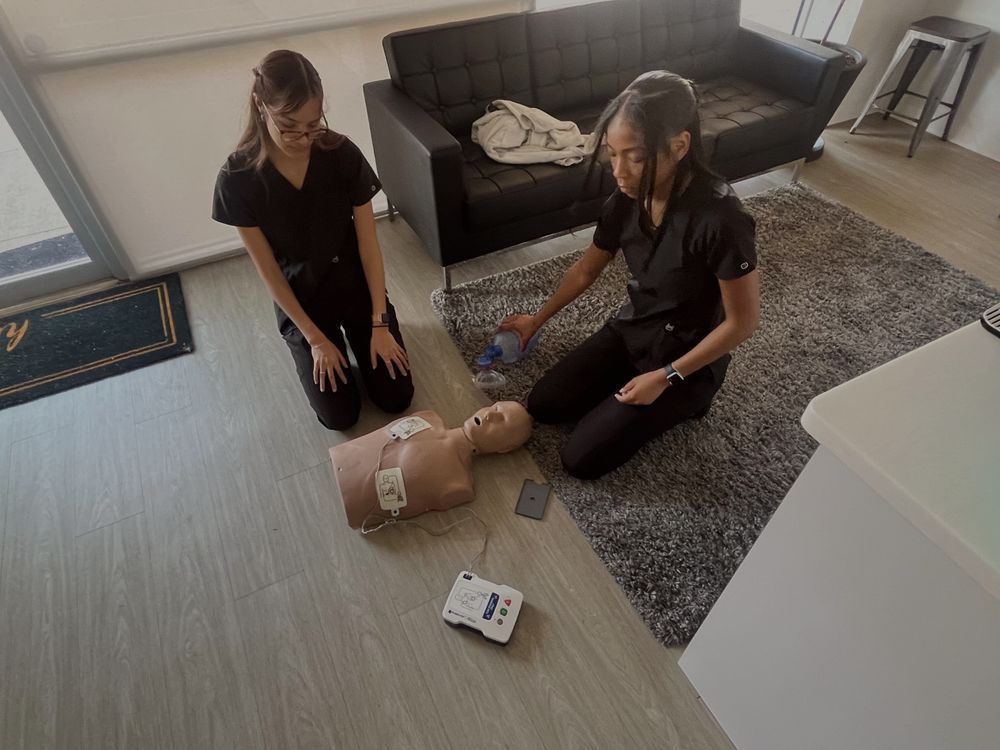
4 in-person labs
Hands-on clinical practice with real equipment: vitals, phlebotomy, injections, EKGs, infection control. Instructor feedback in real time.
CCMA exam prep + fee included
Exam preparation is integrated throughout the curriculum. The NHA exam fee is included in your tuition — no last-minute cost surprise.
$2,990 total — everything included
Tuition, materials, lab access, exam fee. Weekly payment plans available. No loans, no debt.
No prerequisites
No college credits, no science courses, no prior healthcare experience needed.
The bottom line
A lot of programs teach you the material. Fewer programs actually set you up to pass the exam and get hired. Pulse is built to do both — in 16 weeks, for $2,990, with the exam included.
Take the next step
- See the full program: Program details
- Review tuition: Tuition
- Ask questions: Contact
- Apply: How to apply
You're only a few months from the medical assistant career you deserve.