Medical Assistant Salary by Specialty: Where You'll Earn the Most in 2026
When people consider becoming a medical assistant, the salary question comes up fast — and it deserves a real answer, not a vague range and a shrug. The truth is, medical assistant salary varies significantly depending on where you work, what specialty you’re in, what credentials you hold, and how much experience you’ve built.
Here’s a full, honest breakdown of what MAs earn in 2026: national averages, specialty-by-specialty comparisons, geographic factors, and the specific decisions you can make from day one that position you at the higher end of the range.
The national baseline (2026)
According to the Bureau of Labor Statistics (BLS), the national median annual wage for medical assistants is approximately $42,000–$46,000/year, or roughly $20–$22/hour.
Breaking it down by experience level:
- Entry-level (year 1): approximately $32,000–$38,000/year ($15–$18/hour)
- Mid-career (years 2–5): approximately $40,000–$50,000/year ($19–$24/hour)
- Experienced / specialty (years 5+): $48,000–$58,000+/year ($23–$28+/hour)
Indeed and Glassdoor (2026) show similar ranges, with meaningful variation based on geography, setting, and certification status. The national median is a useful baseline, but your actual earnings will depend on several factors you can actively influence.
Medical assistant salary by specialty
Where you work matters as much as how long you’ve worked. Here’s what different practice types actually pay:
General / family medicine
- Salary range: $34,000–$44,000/year
- Notes: The most common MA setting; steady patient volume, broad skill use, good demand
- Best for: New graduates building foundational experience before moving into a specialty
Cardiology
- Salary range: $40,000–$52,000/year
- Notes: EKG skills are used constantly; cardiac practices hire actively and pay above the median
- Best for: MAs with strong cardiopulmonary skills who want above-median pay early in their career
Dermatology
- Salary range: $40,000–$54,000/year
- Notes: Procedures-heavy, aesthetics component, strong patient education element
- Best for: Detail-oriented MAs comfortable with a wide range of in-office procedures
Orthopedics and sports medicine
- Salary range: $40,000–$52,000/year
- Notes: Casting, splinting, X-ray assistance, and active patient rehabilitation support
- Best for: MAs who prefer an active, procedure-heavy work environment
OB/GYN and women’s health
- Salary range: $38,000–$50,000/year
- Notes: Strong ongoing patient relationships, sensitive communication, patient education
- Best for: MAs with strong interpersonal skills and interest in women’s health
Pediatrics
- Salary range: $36,000–$48,000/year
- Notes: Requires patience, adaptability with anxious children and concerned parents
- Best for: MAs who are calm, encouraging, and effective with nervous or uncooperative patients
Oncology
- Salary range: $44,000–$58,000/year
- Notes: Highest-paying MA specialty in most markets; emotionally demanding but financially rewarding
- Best for: Experienced MAs with strong composure and emotional resilience
Urgent care
- Salary range: $36,000–$48,000/year
- Notes: Fast-paced, highly varied patient presentations, flexible hours including evenings and weekends
- Best for: MAs who work well under pressure and value schedule flexibility
Specialty clinics (neurology, rheumatology, endocrinology)
- Salary range: $40,000–$54,000/year
- Notes: Often requires familiarity with specific procedures and documentation; pays above general medicine
- Best for: MAs who want deeper expertise in a specific patient population
What drives your salary up — from the start
1. CCMA certification
This is the single biggest salary lever at the beginning of your career. CCMA-certified MAs earn approximately $2,000–$6,000+ per year more than non-certified MAs, according to Indeed and Glassdoor (2026).
Pulse includes the CCMA exam fee in the $2,990 tuition — you graduate certified, which means you start at the higher end of the entry-level range from day one.
2. Geographic location
State-level variation is significant:
- Higher-paying states: California, Washington, Massachusetts, New York, Connecticut
- Median-range states: Texas, Florida, Georgia, Colorado, Illinois
- Lower-paying states: Rural South and Midwest markets
Within states, metro areas consistently pay more than rural settings — sometimes $5,000–$10,000/year more for identical work.
3. Moving into a specialty
Transitioning from general medicine into a specialty practice is the fastest way to increase your salary without additional schooling. Cardiology, dermatology, and oncology consistently pay above the national median. Most MAs can make this move after 1–2 years of general practice experience.
4. Expanding your skill set
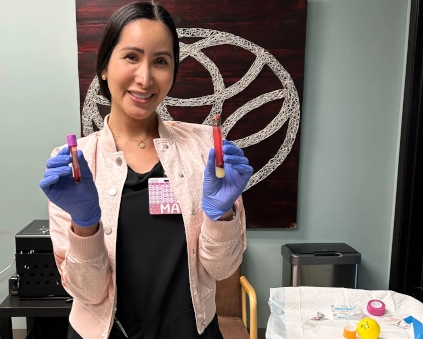
MAs who are highly proficient in phlebotomy, EKG interpretation, injection technique, and EHR navigation are more valuable than those who rely on providers for routine tasks. Employers recognize and pay for genuine clinical confidence — which starts with how thoroughly you were trained.
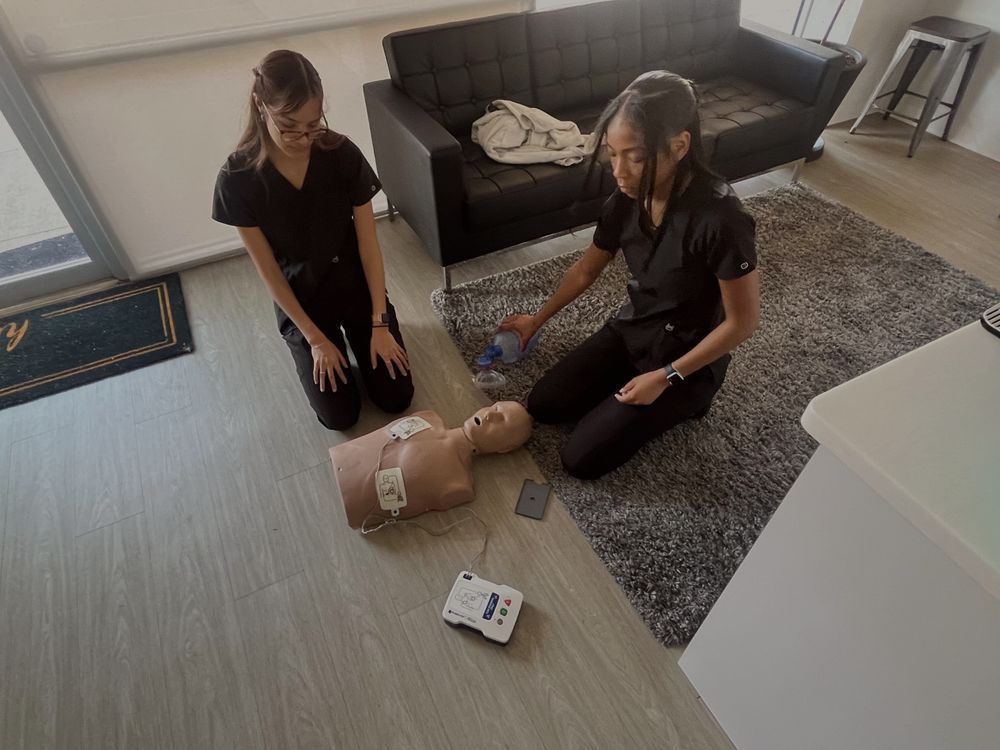
Pulse covers all of these skills in its 16-week program through four in-person lab days in real medical offices.
5. Reliability and patient skills
Soft skills move your salary over time. MAs who communicate clearly with patients, manage difficult interactions professionally, and consistently show up reliable get raises and promotions faster than technically skilled but unreliable colleagues.
The full financial picture: ROI on Pulse’s program
Here’s the math that matters:
| Training cost | $2,990 (including CCMA exam) |
| Weekly payment option | $112.50/week for 16 weeks |
| Debt at graduation | $0 |
| Estimated starting salary (certified) | $36,000–$42,000/year |
| Time to first paycheck | ~5 months from enrollment |
For context: a 2-year associate’s degree in medical assisting costs $15,000–$30,000+ and leads to a starting salary that’s essentially identical. The accelerated, debt-free path is the financially superior option for most students.
Over a 10-year career, a Pulse graduate who starts certified and moves into a specialty could accumulate $80,000–$130,000 in total earnings above what a non-certified graduate earns — while paying off zero training debt.
How salaries grow over a medical assisting career
Medical assistant pay isn’t static — it increases predictably for MAs who develop skills, earn certification, and build specialty experience. Here’s a realistic trajectory:
Year 1 (entry-level, certified): Starting at $36,000–$42,000/year. You’re building clinical speed and confidence, learning the rhythms of your practice, and establishing your professional reputation.
Years 2–3 (confident, reliable, trusted): Merit raises and job changes push salaries to $42,000–$48,000/year. MAs who are efficient, accurate, and genuinely good with patients tend to get their first raise within 12–18 months.
Years 4–6 (experienced, potentially specialty): MAs who move into specialty practices — or take on clinical lead responsibilities — can earn $48,000–$56,000/year. Some take on phlebotomy or EKG lead roles, which come with additional compensation.
Years 7+ (senior, specialized, potentially supervisory): Senior MAs, clinical supervisors, or practice managers with an MA background often earn $55,000–$68,000+/year depending on the practice size and location.
The certification you earn at graduation — the CCMA — is the first step in that progression. It sets your starting point higher and opens the specialty doors faster than starting uncertified.
Common questions about MA salary
Do medical assistants get benefits? Yes — most practices that employ MAs full-time offer health insurance, paid time off, and retirement contributions. Benefits add $5,000–$15,000 in annual compensation value on top of base salary.
Is medical assistant pay competitive compared to other healthcare support roles? MAs earn more than CNAs (certified nursing assistants) in most markets and have a comparable starting salary to pharmacy technicians, medical billing specialists, and phlebotomists — but the scope of the role is broader and the career ceiling is higher.
Can I negotiate salary as a new MA graduate? Yes — especially if you’re CCMA certified. Certification gives you documented proof of competency, which strengthens your position. Research the local market rate before your first offer conversation.
Job market outlook
The BLS projects 15% growth in medical assistant employment through 2032 — well above the national average for all occupations. That growth rate translates directly to:
- Consistent year-round hiring (not seasonal or cyclical)
- Multiple employers competing for certified candidates
- Faster job searches after graduation
- Stronger salary negotiating position in markets with multiple openings
Medical assistants are hired continuously because the need is structural — as long as medical offices operate, they need trained, certified clinical staff.
Ready to start?
Pulse’s 16-week program trains the clinical skills employers pay for, includes CCMA certification and exam prep, and costs under $3,000 total. Payment plans make it accessible without student loans.
- See the full program: Program details
- Review tuition and payment plans: Tuition
- Talk to our team: Contact
- Apply: How to apply
You're only a few months from the medical assistant career you deserve.