Medical Assistant Training Programs: How to Choose One (and What Makes Pulse Different)
There are a lot of medical assistant training programs out there — and they’re not all built the same. Some are rigorous and hands-on. Some are mostly online quizzes with a certificate at the end. Some take two years and cost $20,000+. Others get you trained in months for a fraction of that.
The question isn’t whether programs exist. It’s whether the one you choose will actually prepare you to walk into a clinic and perform. Here’s how to evaluate your options — and where Pulse fits in.
What every good training program should include
Regardless of length, format, or price, a strong medical assistant training program covers:
Clinical skills:
- Vital signs measurement and documentation
- Phlebotomy and specimen collection
- Injection techniques
- EKG/ECG procedures
- Infection control and sterilization
- Assisting during exams and procedures
Administrative skills:
- Patient intake and scheduling
- EHR documentation
- Insurance verification basics
- HIPAA compliance
- Professional communication
Certification preparation:
- Integrated prep for a recognized exam (like the CCMA through NHA)
- Not bolted on at the end — built into the curriculum from the start
How to compare programs: 5 questions to ask
- Does the program include supervised, hands-on clinical practice? If all the training happens on a screen, you won’t be prepared for real clinical work.
- How long is the program? Months of focused training can be more effective than years of coursework padded with general education.
- What’s the total cost? Look for all-inclusive pricing — tuition, materials, exam fees. No surprises.
- Is certification prep included? Programs that include CCMA exam preparation (and the exam fee) save you time and money.
- Is career support available? Resume help, interview coaching, and job search guidance should be part of the package.
What makes Pulse different from most programs
Pulse isn’t a traditional classroom program, and it’s not an online-only certificate mill. It’s a hybrid model designed for people with busy lives who still want serious, hands-on training.
Online-first learning
Live, instructor-led sessions — not pre-recorded videos. Your schedule stays flexible, but the structure and accountability are real.
4 intensive in-person labs
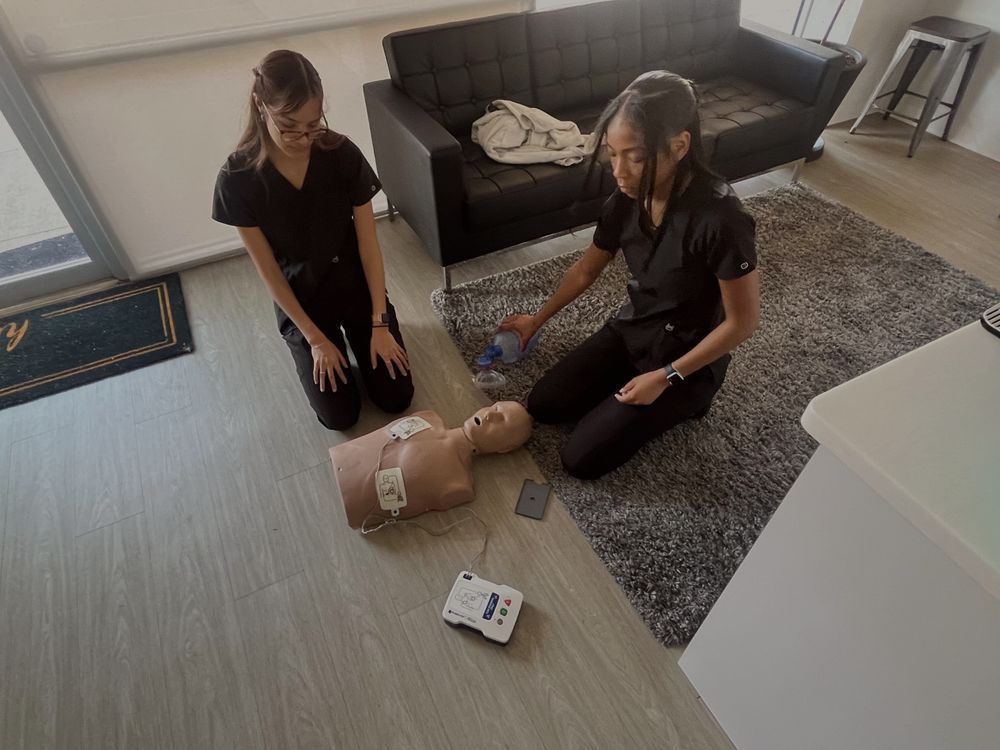
About once a month, you attend hands-on lab sessions where you practice clinical skills with real equipment and instructor feedback. This is where the confidence gets built — phlebotomy, vitals, injections, EKGs, all under supervision.
CCMA exam included
Exam prep is integrated throughout the 16-week curriculum, and the exam fee is included in your tuition. You graduate ready to sit for the CCMA through the National Healthcare Association.
$2,990 total tuition
Weekly payment plans available. No loans, no debt. What you see is what you pay.
No prerequisites
No college credits, science courses, or prior healthcare experience required. The program is designed for beginners.
Who Pulse is built for
- People balancing work, family, or other commitments
- Career changers who want into healthcare without spending years in school
- Motivated learners who want real training, not just a piece of paper
- Anyone who wants to graduate debt-free with a recognized certification
Take the next step
- Explore the program: Program details
- Review tuition: Tuition
- Ask questions: Contact
- Apply: How to apply
You're only a few months from the medical assistant career you deserve.