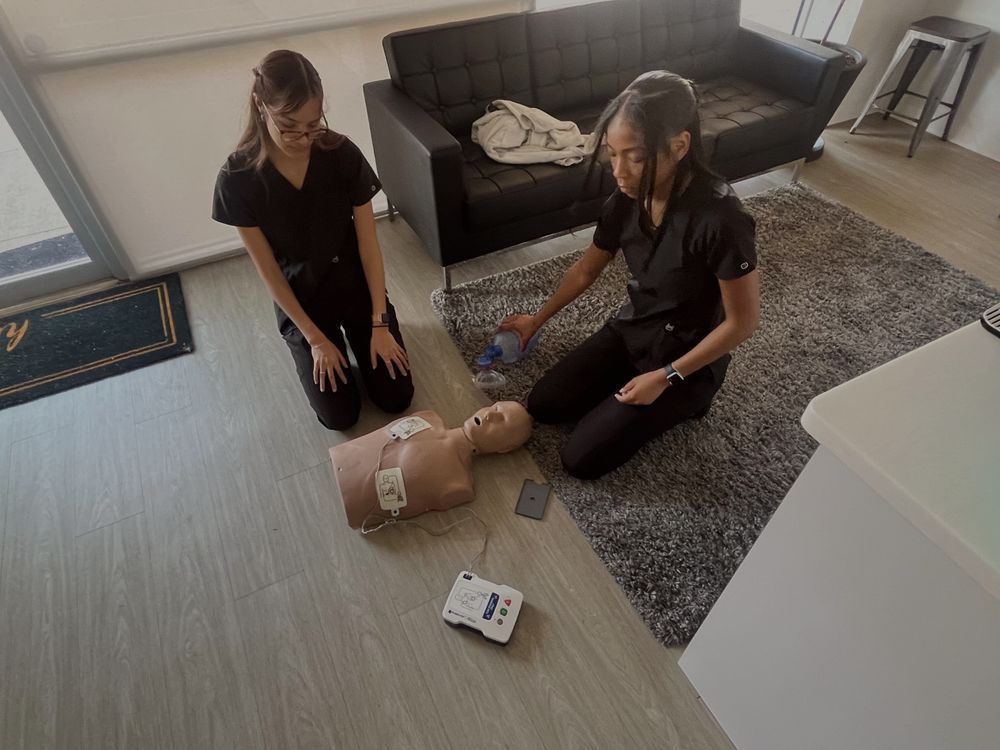
Self-Paced vs. Instructor-Led Medical Assistant Courses

Self-Paced vs. Instructor-Led Medical Assistant Courses
Becoming a medical assistant is one of the fastest and most flexible paths into the healthcare industry. With demand rising across hospitals, clinics, specialty practices, and urgent care centers, many students want training options that fit their schedule, budget, and learning style. Fortunately, today’s medical assistant programs offer more variety than ever—especially when it comes to how the coursework is delivered.
The two most common learning formats are self-paced medical assistant courses and instructor-led medical assistant courses. Both can prepare you for entry-level work, but the experience, structure, support, and outcomes vary significantly. Understanding these differences can help you choose a program that aligns with your goals, lifestyle, and preferred way of learning.
This guide breaks down how each format works, the benefits and challenges of both, and how to determine the best path for your healthcare journey.
What Are Self-Paced Medical Assistant Courses?
What Are Self-Paced Medical Assistant Courses? Self-paced medical assistant programs give learners the flexibility to complete coursework on their own time. Instead of attending live classes, students access recorded lectures, reading materials, quizzes, and skill demonstrations through an online platform. You can typically start lessons whenever you like and progress through units at a pace that fits your schedule.
Who tends to choose self-paced programs?
Many students who select self-paced training are balancing full-time jobs, parenting responsibilities, or busy personal schedules. Others simply prefer learning independently and appreciate the ability to move faster through familiar topics or slow down when a concept is more challenging.
What do self-paced programs typically include?
What do self-paced programs typically include? While every program is different, most include:
Online learning modules
Video demonstrations for basic clinical skills
Interactive quizzes
Electronic textbooks or study guides
Optional tutoring or support resources
A required externship for hands-on practice (varies by school)
The biggest appeal is the freedom to complete coursework at your convenience. But that freedom may also present challenges for the learners who need structure.
The biggest appeal is the freedom to complete coursework at your convenience. But that freedom may also present challenges for the learners who need structure.
Pros of Self-Paced Medical Assistant Courses
Self-paced learning offers several major advantages. Here are the most significant benefits students often mention:
Flexible Scheduling
Self-paced programs are ideal for learners who need total control over when and where they study. Whether you work overnight shifts, care for young children, or simply learn best outside of a traditional classroom setting, this flexibility can make career training far more accessible.
Ability to Move at Your Own Speed
If you grasp theoretical content quickly, you can speed up your progress. If you need additional time on subjects such as anatomy, pharmacology, or patient communication, you can slow down without feeling behind.
Reduced Pressure and Stress
For some, the absence of deadlines, live lectures, and group schedules reduces performance anxiety. You can focus on comprehension rather than rushing to keep up with a class.
Good Option for Self-Motivated Learners
If you are disciplined, organized, and comfortable studying independently, you may thrive in a self-directed environment. Students who take charge of their learning can often complete the program efficiently.
Cons of Self-Paced Medical Assistant Courses
Although self-paced learning works well for some students, it also comes with challenges that may affect your preparation for a healthcare career.
Limited Real-Time Instructor Support
Without live teaching, it may take longer to get answers to questions or feedback on your progress. Healthcare is a hands-on field, and having immediate access to an expert can be beneficial.
Minimal Structure
Self-paced learning requires strong time-management skills. Without set deadlines or scheduled classes, some students may fall behind or struggle to stay consistent.
Less Interaction With Peers
Self-paced programs often lack the community and collaboration that instructor-led classrooms provide. Peer support can be extremely helpful when learning medical terminology, clinical skills, and patient communication techniques.
Potential Gaps in Hands-On Learning
Some self-paced programs rely heavily on theory and simulations, offering fewer opportunities for supervised practice. Since employers value hands-on experience, this can impact confidence when transitioning into a clinical role.
What Are Instructor-Led Medical Assistant Courses?
What Are Instructor-Led Medical Assistant Courses? Instructor-led medical assistant programs follow a structured format that includes live teaching—either online or in person. Students meet at scheduled times, participate in discussions, complete assignments with deadlines, and receive direct, real-time instruction.
How instructor-led programs typically work
How instructor-led programs typically work These programs may include:
Live online or in-person lectures
Instructor demonstrations of clinical procedures
Guided lab sessions
Group discussions and peer collaboration
Real-time Q&A and troubleshooting
Scheduled exams and assessments
A supervised externship
Instructor-led training mirrors the structure of traditional education but is often accelerated, allowing students to complete their training faster.
Pros of Instructor-Led Medical Assistant Courses
Instructor-led instruction offers several advantages that can significantly enhance a student’s learning experience.
Real-Time Support and Feedback
Students can ask questions, clarify confusing topics, and receive immediate feedback. This interactive environment is especially valuable when learning clinical skills such as taking vital signs, preparing exam rooms, administering injections, or performing EKGs.
Stronger Accountability and Motivation
Scheduled classes and deadlines help students stay on track. For many learners, this structure creates momentum and reduces the risk of procrastination.
Peer Interaction and Collaboration
Learning alongside peers allows you to connect, ask questions, role-play patient scenarios, and practice communication skills. These relationships can also become valuable networking opportunities.
Better Hands-On Skill Development
Instructor-led programs typically include structured lab sessions and supervised practice. This is essential in medical assisting, where confidence and accuracy directly impact patient care.
Preparation for Real-World Medical Environments
Since healthcare settings are fast-paced, collaborative, and highly interactive, learning in a similar environment helps students build workplace-ready professionalism and clinical abilities.
Cons of Instructor-Led Medical Assistant Courses
Although many students prefer instructor-led learning, it’s not the right fit for everyone.
Less Flexibility
Scheduled classes and deadlines mean you must consistently be available at specific times. This can be challenging for learners with demanding work schedules or family responsibilities.
Faster Pace May Be Challenging for Some Learners
Accelerated programs move quickly. If you prefer to take more time with complex subjects, the timeline may feel intense.
Potentially Higher Tuition
Instructor-led programs often require more staffing, technology, lab supplies, and faculty involvement, which can make them more expensive than fully self-paced options.
Comparing Learning Experience: Self-Paced vs. Instructor-Led
The differences between the two learning styles are clear, but how do they compare in practical terms?
The differences between the two learning styles are clear, but how do they compare in practical terms?
Learning Style Fit
Self-paced: Best for students who enjoy independent study and need maximum flexibility.
Instructor-led: Best for learners who prefer structure, direct interaction, and hands-on practice.
Time Commitment
Self-paced: Variable; can complete quickly or slowly depending on your motivation and availability.
Instructor-led: Set timeline; typically 12–20 weeks with scheduled sessions and deadlines.
Skill Development
Self-paced: Strong in theory but may offer limited real-world clinical training unless paired with labs.
Instructor-led: Strong blend of theory and hands-on experience, often producing more clinic-ready graduates.
Support and Accountability
Self-paced: Support is available but not immediate; accountability is self-managed.
Instructor-led: Direct feedback, built-in deadlines, and ongoing instructor oversight.
How Employers View Self-Paced vs. Instructor-Led Training
How Employers View Self-Paced vs. Instructor-Led Training
Ultimately, employers look for medical assistants who can demonstrate:
Strong communication skills
Accurate and confident clinical technique
Understanding of healthcare workflows
Understanding of healthcare workflows
Professionalism and reliability
Experience working directly with patients
Instructor-led programs often provide more opportunities to develop these competencies through live labs, supervised practice, and interactive lessons. While self-paced students can still be excellent candidates, many employers prefer graduates who received structured, hands-on training.
For this reason, many students choose hybrid models that combine self-paced lessons with instructor-led labs—giving them the best of both worlds.
For this reason, many students choose hybrid models that combine self-paced lessons with instructor-led labs—giving them the best of both worlds.
Which Format Is Best for You? Key Questions to Ask
Choosing between a self-paced or instructor-led medical assistant course comes down to your personal needs. Ask yourself:
How much structure do I need to stay motivated?
If you thrive with deadlines and scheduled class times, an instructor-led program may be better.
How confident am I in learning clinical skills independently?
Hands-on skills such as injections, EKGs, and phlebotomy are easier to master with expert feedback.
What is my weekly availability?
If your schedule changes frequently, a self-paced option might be more realistic.
What is my desired timeline for graduation?
Instructor-led programs often accelerate your training and help you finish faster.
What type of learning environment helps me understand complex concepts?
If you like asking questions and learning through discussion, instructor-led may be ideal.
The Best of Both Worlds: Why Many Students Choose Hybrid Programs
The Best of Both Worlds: Why Many Students Choose Hybrid Programs Many modern medical assistant programs blend self-paced learning with instructor-led labs to create a balanced approach. These hybrid models:
Offer flexibility during the theory portion
Provide live training during lab sessions
Build both confidence and competence
Ensure graduates are ready to work with real patients
Hybrid formats are increasingly popular because they combine the convenience of self-paced coursework with essential hands-on clinical instruction.
Choosing the Right Medical Assistant Program for Your Goals
Choosing the Right Medical Assistant Program for Your Goals There is no one-size-fits-all answer when it comes to choosing between self-paced and instructor-led medical assistant courses. The right choice depends on your learning style, lifestyle, support needs, and long-term career goals.
If you prefer working independently and need a highly flexible schedule, a self-paced option may suit you. If you want structure, real-time guidance, and more hands-on experience, instructor-led training may provide the stronger foundation.
Most importantly, choose a program that equips you with the skills, confidence, and practical experience to provide excellent patient care from day one.
Take the Next Step Toward Your Medical Assistant Career
Take the Next Step Toward Your Medical Assistant Career If you want a program that blends flexibility with hands-on clinical instruction, Pulse Medical Assistant School offers the ideal training model. As an online-first, 16-week medical assistant program, Pulse delivers convenient self-paced coursework paired with intensive, in-person labs that give aspiring medical assistants the confidence to help real patients receive real care. It’s the perfect path for students who want strong instruction, real-world experience, and a fast, focused entry into healthcare.
You're only a few months from the medical assistant career you deserve.