Serving Unhoused or Underserved Populations as an MA
Serving Unhoused or Underserved Populations as an MA
Medical assistants play a vital role in expanding access to care—especially for patients who face systemic barriers to healthcare. Unhoused and underserved populations often rely on community clinics, mobile health units, public hospitals, and nonprofit organizations for essential medical services. In these settings, medical assistants are often on the front lines, supporting providers while helping patients navigate complex medical and social challenges.
Working with unhoused or underserved patients can be deeply meaningful, but it also requires adaptability, empathy, and strong communication skills. Medical assistants who choose this path should understand that the work may look different from a traditional private practice role. From addressing social determinants of health to building trust with patients who may feel marginalized, this type of care demands both clinical competence and emotional intelligence. Here are five important things to expect when serving unhoused or underserved populations as a medical assistant.
You’ll Work With Patients Facing Complex Health Challenges
Unhoused and underserved patients often experience higher rates of chronic illness, untreated conditions, and preventable diseases. Limited access to consistent healthcare, nutritious food, stable housing, and transportation can make it difficult for patients to manage conditions like diabetes, hypertension, asthma, mental health disorders, and substance use disorders. As a medical assistant, you may encounter patients whose conditions are more advanced than what you would typically see in other settings.
In addition to chronic illnesses, many patients may present with acute issues that could have been addressed earlier if access to care had been available. Medical assistants may assist with wound care, infection screenings, immunizations, vital signs monitoring, and medication reconciliation for patients who have not seen a provider in months—or even years. This requires careful attention to detail and a strong understanding of clinical protocols.
Because health concerns are often interconnected with social circumstances, medical assistants must be prepared to take a holistic view of patient care. Understanding how housing instability, food insecurity, and lack of insurance impact health outcomes can help you better support both the provider and the patient during each visit.
Building Trust Will Be a Core Part of Your Role
Building Trust Will Be a Core Part of Your Role Many unhoused or underserved patients have experienced stigma, discrimination, or negative interactions within the healthcare system. As a result, they may be hesitant to seek care or skeptical of medical professionals. One of the most important roles a medical assistant plays in these environments is helping to rebuild trust.
Medical assistants are often the first and last point of contact during an appointment. Simple actions—such as greeting patients respectfully, explaining procedures clearly, and listening without judgment—can make a significant difference. Patients who feel heard and respected are more likely to engage in their care, follow treatment plans, and return for follow-up visits.
Consistency and compassion go a long way in trust-building. Even when clinics are busy or resources are limited, taking a few moments to acknowledge a patient’s concerns can help establish rapport. Over time, medical assistants often become familiar faces that patients rely on, making their presence an essential part of the care team.
You’ll Need Strong Communication and Cultural Awareness Skills
Serving underserved populations often means working with patients from diverse cultural, linguistic, and socioeconomic backgrounds. Medical assistants must be prepared to communicate clearly and effectively with patients who may have limited health literacy or who speak English as a second language. Explaining medical instructions in simple, accessible terms is essential to patient safety and understanding.
Cultural awareness also plays a critical role. Patients may have different beliefs about healthcare, medications, mental health, or preventive care. Medical assistants should approach each interaction with openness and respect, avoiding assumptions and remaining sensitive to cultural norms that may influence patient behavior.
In many settings, medical assistants work closely with interpreters, social workers, and community health advocates. Learning how to collaborate with these professionals helps ensure patients receive accurate information and appropriate support. Clear documentation and communication within the care team are especially important when managing patients with complex needs.
Flexibility and Adaptability Are Essential
Healthcare settings that serve unhoused or underserved populations often operate with limited resources. Clinics may be understaffed, appointment schedules may change quickly, and patient needs can be unpredictable. Medical assistants must be adaptable and willing to take on a variety of responsibilities throughout the day.
One moment, you may be assisting with patient intake and vital signs; the next, you could be helping coordinate referrals, restocking supplies, or supporting outreach efforts. In mobile clinics or community health events, medical assistants may work in nontraditional environments that require quick problem-solving and teamwork.
Flexibility also extends to patient interactions. Some patients may arrive late, miss appointments, or struggle to follow treatment plans due to circumstances beyond their control. Medical assistants who remain patient, professional, and solution-oriented are better equipped to provide effective care in these situations.
The Work Can Be Challenging—but Incredibly Rewarding
The Work Can Be Challenging—but Incredibly Rewarding Serving unhoused or underserved populations can be emotionally demanding. Medical assistants may witness the effects of poverty, trauma, and systemic inequality on a daily basis. It is important to recognize the potential for compassion fatigue and to prioritize self-care, boundaries, and support from colleagues.
At the same time, many medical assistants find this work deeply fulfilling. Helping patients receive care they might not otherwise access can create a strong sense of purpose. Small victories—such as helping a patient manage a chronic condition, receive preventive care, or feel respected during a visit—can have a lasting impact.
Medical assistants in these roles often develop strong professional skills, including resilience, empathy, and leadership. These experiences can open doors to future opportunities in community health, public health, care coordination, or advanced clinical roles. For many, the ability to make a tangible difference in patients’ lives is one of the most rewarding aspects of the profession.
Preparing for a Meaningful Career in Medical Assisting
Preparing for a Meaningful Career in Medical Assisting Working with unhoused or underserved populations requires more than compassion—it requires solid clinical training, confidence, and hands-on experience. Medical assistants must be prepared to perform their duties accurately while navigating complex patient needs and fast-paced environments.
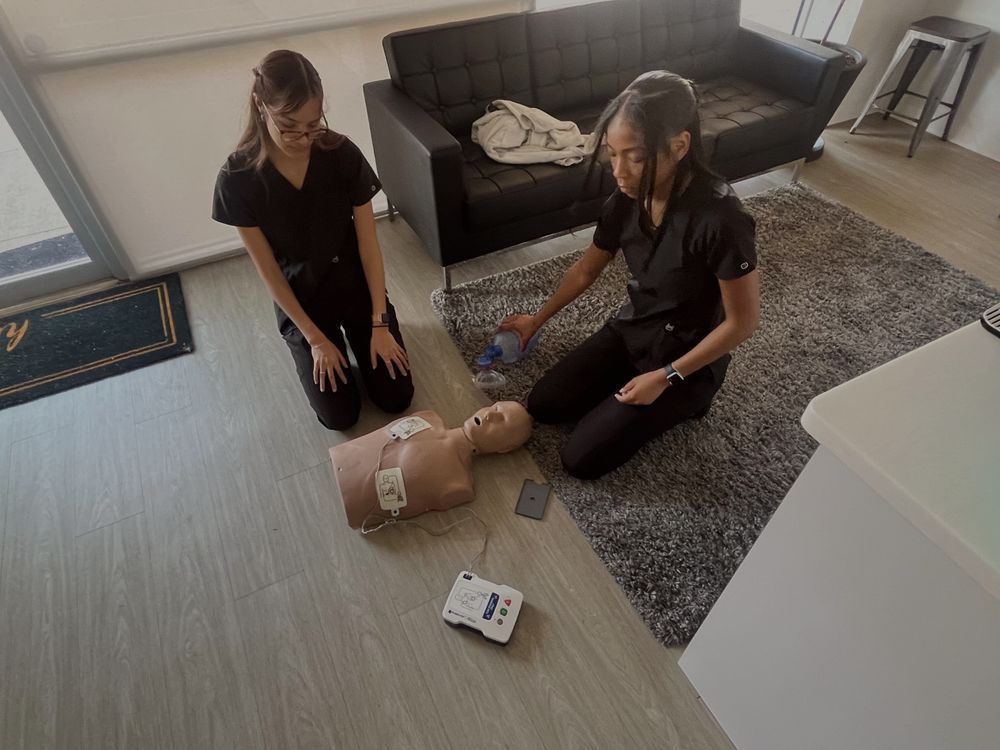
Pulse Medical Assistant School helps prepare students for these real-world challenges through an online-first, 16-week medical assistant program designed for modern healthcare settings. With intensive, in-person labs, students gain practical experience performing essential clinical skills while learning how to communicate professionally and support diverse patient populations.
Graduates leave Pulse Medical Assistant School with the confidence to help real patients receive real care—whether in community clinics, public health settings, or traditional medical offices. For those passionate about making healthcare more accessible and equitable, medical assisting can be a powerful and impactful career path.
You're only a few months from the medical assistant career you deserve.