Setting Short-Term Career Goals in Medical Assisting
Setting Short-Term Career Goals in Medical Assisting
Starting or advancing a career in medical assisting can feel both exciting and overwhelming. Medical assistants work in fast-paced environments where clinical responsibilities, administrative tasks, and patient interactions all intersect. With so many moving parts, it can be difficult to know where to focus your energy—especially early in your career. That’s where short-term career goals come in. Rather than thinking years ahead, short-term goals help you stay grounded, motivated, and purposeful in your day-to-day work.
Short-term career goals are practical, achievable objectives you can work toward over weeks or months instead of years. For medical assistants, these goals provide clarity in a demanding role, help build confidence, and create measurable progress toward long-term success. Whether you’re new to the field or looking to grow professionally, setting the right short-term goals can make your career path feel more intentional and manageable.
Focus on Building Core Clinical Skills
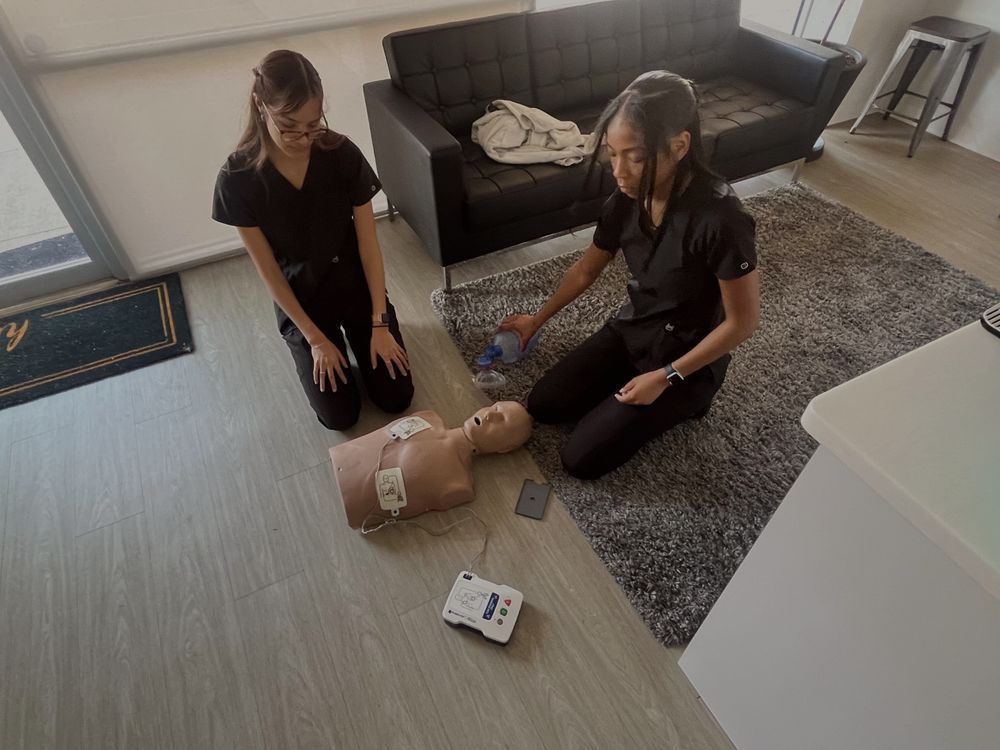
One of the most effective short-term goals for medical assistants is strengthening essential clinical skills. These are the hands-on tasks that form the backbone of your daily responsibilities, such as taking vital signs, preparing patients for exams, administering injections, drawing blood, and assisting with minor procedures. Early in your career especially, it’s normal to feel less confident performing these tasks efficiently and independently.
Setting a goal to improve specific clinical skills gives you something tangible to work toward. For example, you might aim to become fully comfortable performing patient intake without supervision or to reduce the time it takes to accurately document vitals. These goals can often be achieved within a few months through repetition, feedback, and focused practice. As your confidence grows, so does your value to your healthcare team.
Improving clinical skills also directly impacts patient care. Patients are more likely to feel comfortable and confident when they interact with a medical assistant who appears calm, capable, and knowledgeable. By prioritizing skill development as a short-term goal, you’re not just advancing your career—you’re also contributing to better patient experiences and outcomes.
Strengthen Communication and Patient Interaction
Medical assisting is as much about people as it is about procedures. A short-term goal centered on communication can significantly improve both your work environment and your professional reputation. Medical assistants regularly interact with patients who may be anxious, confused, or frustrated. Learning how to communicate clearly, compassionately, and professionally is a skill that develops over time.
A realistic short-term goal might be to improve how you explain procedures to patients or how you handle difficult conversations at the front desk or in exam rooms. You could also focus on active listening—making sure patients feel heard and understood before moving forward with care. These goals are achievable through daily awareness, reflection, and practice.
Strong communication skills also improve teamwork. Medical assistants collaborate with physicians, nurses, and administrative staff, often acting as a bridge between patients and providers. Setting a goal to communicate more effectively with your team—such as clarifying instructions or asking questions confidently—can reduce errors, improve workflow, and help you feel more integrated into the healthcare setting.
Improve Time Management and Organization
Healthcare environments are busy, and medical assistants are often expected to juggle multiple tasks at once. From rooming patients and updating electronic health records to handling phone calls and preparing exam rooms, it’s easy to feel stretched thin. That’s why time management is an ideal focus for short-term goal setting.
A practical goal might be to streamline your daily workflow or reduce feelings of being rushed during shifts. For example, you could work on completing documentation more efficiently or organizing supplies so tasks flow more smoothly. These goals don’t require dramatic changes—small adjustments can lead to noticeable improvements within weeks.
Better time management also reduces stress and burnout. When you feel more in control of your schedule, your workday becomes more predictable and manageable. Over time, this can lead to increased job satisfaction and better performance. Short-term goals related to organization and efficiency lay the foundation for long-term career sustainability in medical assisting.
Learn and Adapt to Technology and Office Systems
Medical assistants rely heavily on technology, including electronic health record (EHR) systems, scheduling software, and digital communication tools. For many new medical assistants, navigating these systems can feel intimidating at first. Setting short-term goals related to technology use can help you become more confident and efficient in your role.
A realistic goal might be to become proficient in a specific EHR system used in your practice or to reduce errors in digital documentation. You could also aim to better understand appointment scheduling workflows or insurance verification processes. These skills are often learned on the job, making them ideal short-term objectives.
Being comfortable with technology also makes you more adaptable. Healthcare practices regularly update systems and processes, and medical assistants who can quickly learn new tools are highly valued. By focusing on mastering technology in manageable steps, you position yourself as a reliable and forward-thinking member of the team.
Seek Feedback and Professional Growth Opportunities
One of the most overlooked short-term goals in medical assisting is actively seeking feedback. While it can feel uncomfortable at first, feedback is one of the fastest ways to grow professionally. Setting a goal to regularly ask supervisors or experienced colleagues for input shows initiative and a commitment to improvement.
A simple short-term goal might be to request feedback after a certain period, such as your first 30 or 90 days in a role. You can ask specific questions about your performance, strengths, and areas for improvement. This helps you focus your efforts and avoid guesswork about how you’re doing.
Professional growth goals can also include learning more about specialized areas of care, such as pediatrics, cardiology, or urgent care. You might set a goal to observe procedures, ask questions, or take on new responsibilities when appropriate. These short-term goals can help you explore interests and determine potential long-term career paths within medical assisting.
Turning Short-Term Goals Into Long-Term Success
Short-term career goals are powerful because they create momentum. Each goal you achieve builds confidence and reinforces your ability to grow and adapt in a healthcare environment. Over time, these small wins accumulate, shaping your professional identity and opening doors to new opportunities.
For medical assistants, goal setting isn’t about perfection—it’s about progress. Some goals may need adjustment as you gain experience or encounter new challenges. That’s normal and healthy. The key is staying engaged with your development and viewing your career as something you actively shape rather than something that simply happens to you.
By focusing on skill-building, communication, organization, technology, and feedback, medical assistants can create a strong foundation for long-term success. These short-term goals keep your career moving forward while helping you provide the best possible care to patients every day.
Take the First Step Toward Your Medical Assisting Career
Take the First Step Toward Your Medical Assisting Career Achieving meaningful career goals starts with the right training. Pulse Medical Assistant School offers an online-first, 16-week medical assistant program designed to prepare students for real-world healthcare environments. With intensive, in-person labs, Pulse ensures aspiring medical assistants gain hands-on experience that builds confidence and competence.
By combining flexible online learning with practical lab training, Pulse Medical Assistant School helps students develop the skills needed to support real patients and deliver real care. If you’re ready to take control of your career path and start working toward your short-term goals, Pulse provides the structure, support, and preparation to help you succeed.
You're only a few months from the medical assistant career you deserve.