Teamwork in the Clinic_ Medical Assistant Do’s and Don’ts
Teamwork in the Clinic: Medical Assistant Do’s and Don’ts
A successful clinic doesn’t run on medical knowledge alone—it runs on teamwork. Medical assistants (MAs) are often the center of that teamwork, connecting patients, physicians, nurses, and administrative staff. When MAs practice strong collaboration skills, the entire clinic benefits from faster workflows, better communication, higher patient satisfaction, and fewer mistakes. When teamwork breaks down, however, even the most efficient clinical processes become stressful, chaotic, or unsafe.
For medical assistants, learning how to become a reliable team player is just as important as mastering vitals, injections, or EHR documentation. Understanding what helps—and what hinders—teamwork in a clinical setting prepares MAs to contribute meaningfully from day one. Below, we explore essential do’s and don’ts that help medical assistants build trust, support colleagues, and keep patient care running smoothly.
Do: Communicate Clearly and Frequently
One of the biggest factors behind strong teamwork is communication. Medical assistants often act as the first point of contact for patients and the bridge between clinical and administrative teams. Clear communication prevents errors, reduces redundancy, and ensures the entire care team stays aligned.
MAs should aim to speak in straightforward, respectful language, especially when discussing clinical information. Confirm instructions before carrying them out, clarify anything uncertain, and keep providers updated on patient concerns, room status, and workflow changes. When speaking with patients, set expectations clearly—such as wait times or next steps—so the rest of the team doesn’t have to manage confusion later.
Don’t: Assume Others Know What You’re Thinking
In a fast-paced clinical environment, assumptions can cause more problems than speed ever solves. If an MA doesn’t pass along crucial information—like abnormal vitals, a patient’s mobility concerns, or a missing lab result—the entire team may struggle to fill in the gaps. Even seemingly small omissions can trigger delays or patient dissatisfaction.
Remember: effective teamwork relies on shared knowledge. Never assume someone else knows what you know unless you’ve communicated it directly.
Do: Be Willing to Step In and Help
No clinic is perfectly predictable. Walk-ins arrive, procedures run long, emergencies arise, and providers fall behind schedule. Medical assistants who thrive in these environments are the ones who help where help is needed.
If another MA is overloaded, step in to room a patient, restock supplies, or process paperwork. Offering assistance without being asked not only improves the clinic flow but also builds trust among coworkers. Over time, your team will naturally reciprocate, creating a workplace where everyone looks out for one another.
Don’t: Say “That’s Not My Job”
Healthcare is collaborative by design. Even when responsibilities are clearly defined, a rigid mindset can slow operations and create resentment. While boundaries are important—and scope of practice must always be respected—being unwilling to do anything outside your usual routine prevents the team from working efficiently.
Successful MAs understand the difference between tasks outside their legal scope and tasks that merely fall outside their comfort zone. The first must be avoided; the second is often an opportunity for growth.
Do: Manage Your Time Thoughtfully
Time management plays a vital role in maintaining team flow. When one MA falls behind, the entire schedule can unravel. Prioritizing tasks, staying organized, and anticipating needs helps keep the day running smoothly for everyone.
Effective strategies include batching tasks when possible, checking supply stocks early, preparing exam rooms in advance, and completing documentation promptly after each patient encounter. The more structured your workflow, the more dependable you become as a teammate.
Don’t: Wait Until the Last Minute
Waiting until the end of the shift to complete charting, stock rooms, run overdue tests, or return calls creates extra work for the entire team. It also increases the likelihood of mistakes due to fatigue or rushing.
Clinics function best when tasks are handled in real time. Postponing work may feel easier in the moment, but it often results in a heavier workload and unnecessary stress for both you and your colleagues.
Do: Respect Boundaries and Roles
While teamwork requires flexibility, respecting each team member’s role is just as important. Physicians rely on MAs to manage clinical prep and patient flow, nurses rely on MAs for efficient support, and patients rely on everyone to work within their appropriate scope.
Respecting boundaries ensures safety, compliance, and smooth operations. If you ever feel unsure whether a task is appropriate for your position, ask your supervisor for clarification rather than risking an error.
Don’t: Overstep Your Scope of Practice
Every state has specific rules governing what medical assistants can and cannot do. Going beyond these limits—even with good intentions—can jeopardize patient safety, violate regulations, and damage the trust of your team.
If a provider asks you to perform a task you’re unsure about, speak up. Asking questions does not make you less capable—it makes you a responsible healthcare professional.
If a provider asks you to perform a task you’re unsure about, speak up. Asking questions does not make you less capable—it makes you a responsible healthcare professional.
Do: Maintain a Positive Attitude
Healthcare can be stressful, but positivity has a ripple effect. Medical assistants who approach challenges with optimism contribute to a calmer, more supportive workplace culture. Their attitude also directly affects patient experiences, since MAs often set the tone for a visit.
Even when situations are difficult, staying patient, compassionate, and solutions-oriented helps the entire team function more effectively. If an issue arises, addressing it with respect and clarity—rather than frustration—strengthens relationships rather than straining them.
Don’t: Bring Negativity Into Patient Care Areas
Every clinic experiences tough days, but venting frustrations in front of patients or staff can quickly lower morale. Complaining about coworkers, criticizing workflow changes, or sharing personal grievances doesn’t just affect team dynamics—it also makes patients feel uneasy.
If issues need to be addressed, bring them up privately with the appropriate supervisor or during staff meetings where problem-solving—not venting—is the goal.
Do: Ask Questions and Seek Feedback
Teamwork improves when medical assistants actively seek guidance. Asking questions demonstrates initiative, not incompetence. Feedback—whether from nurses, providers, or fellow MAs—helps you strengthen skills, improve patient interactions, and better support your team.
In clinics, no one knows everything. A strong team is one where learning is ongoing.
Don’t: Pretend to Understand Something You Don’t
Guessing in a clinical environment can lead to serious errors. If instructions are unclear or a procedure is unfamiliar, it’s safer—and far more professional—to ask for clarification.
Your team expects you to prioritize accuracy over speed. Transparency protects patients, supports coworkers, and reflects professionalism.
Do: Stay Organized Behind the Scenes
A well-organized MA helps the entire clinic operate more smoothly. Stocking exam rooms, labeling specimens clearly, updating patient charts accurately, and maintaining a clean workspace all contribute to better teamwork.
Other staff should be able to step into any room and know exactly where to find supplies. When areas are disorganized, it slows down every member of the team.
Don’t: Leave Messes for Others to Manage
An overflowing sharps container, a cluttered counter, or an unstocked exam room doesn’t just inconvenience coworkers—it can disrupt patient care. Clinicians depend on MAs to create safe, orderly environments. Taking shortcuts or leaving tasks unfinished forces teammates to pick up the slack.
Cleaning up as you go shows respect for others and demonstrates reliability.
Do: Support Providers by Anticipating Needs
The best MAs learn to anticipate what providers need before they ask. Understanding common procedures, knowing which tools or supplies are required, preparing exam rooms based on appointment type, and monitoring patient flow all help keep the clinic running efficiently.
This proactive approach reduces downtime, improves patient satisfaction, and strengthens trust between MAs and the rest of the care team.
Don’t: Wait to Be Told Every Step
Providers value MAs who think ahead. If you wait for instructions for every small task, your team will spend unnecessary time directing instead of caring for patients.
Autonomy—within the proper scope—allows the clinic to function more effectively. Taking initiative is a hallmark of a dependable medical assistant.
Do: Embrace Flexibility
Shifts rarely go exactly as planned. Providers may adjust schedules, equipment may malfunction, or urgent cases may arise. Strong teamwork requires adaptability. Being willing to shift priorities, change tasks, or help wherever needed makes you an asset to any clinical team.
Flexibility demonstrates professionalism and resilience—qualities valued in all healthcare settings.
Don’t: Resist Change Simply Because It’s New
Healthcare evolves constantly. Clinics update technologies, revise workflows, introduce new protocols, and shift responsibilities based on staffing needs. MAs who resist change make transitions more difficult for the entire team.
Instead of rejecting new approaches, ask questions, learn the reasoning, and find ways to support the improvement process.
Do: Celebrate Team Wins
Whether it’s a successful flu shot clinic, a day with zero scheduling delays, or a challenging patient case that resolved smoothly, recognizing team achievements boosts morale. Positivity fosters a culture where coworkers feel appreciated, respected, and motivated to continue doing their best work.
Acknowledging your team’s strengths builds stronger working relationships—and a more enjoyable clinic environment.
Don’t: Ignore the Effort Others Put In
Everyone in a clinic works hard, from the front desk to the back office. If you only focus on what others aren’t doing, you miss the daily contributions that keep the clinic running. Expressing gratitude helps create an atmosphere where teamwork thrives.
When MAs make a habit of recognizing their colleagues’ work, collaboration becomes natural rather than forced.
Start Your Medical Assistant Career with Confidence
Start Your Medical Assistant Career with Confidence Teamwork is the backbone of every effective clinic, and medical assistants play a pivotal role in shaping that teamwork. By communicating clearly, maintaining professionalism, respecting boundaries, embracing flexibility, and supporting colleagues, MAs help create an environment where patients receive timely, high-quality care. Avoiding the common pitfalls—like unnecessary negativity, disorganization, overstepping scope, or resisting change—keeps the entire team functioning at its best.
Becoming a great team player isn’t just a skill—it’s an ongoing practice. As medical assistants grow in their careers, their ability to collaborate makes them indispensable members of the healthcare team.
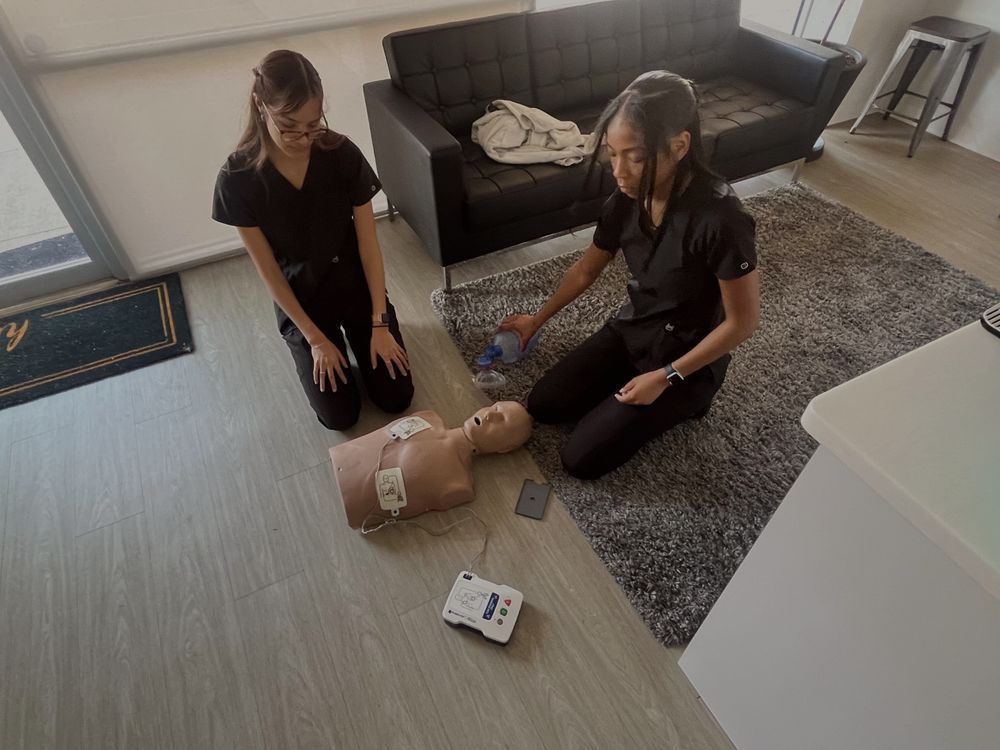
If you’re ready to become the kind of medical assistant every clinic wants on their team, Pulse Medical Assistant School can help you get there. Pulse offers an online-first, 16-week medical assistant program designed for busy learners—complete with intensive, in-person labs that give you the hands-on confidence to help real patients receive real care.
Train with experienced instructors, build clinical teamwork skills, and enter the workforce prepared to make a meaningful difference. Your healthcare career starts here.
You're only a few months from the medical assistant career you deserve.