The Future of Medical Assisting_ Where the Career Is Headed

Medical assisting has always been at the heart of patient care, bridging the gap between clinical and administrative responsibilities. But today’s medical assistants work in an environment that is changing faster than ever. Advancements in technology, growing patient populations, and shifting healthcare needs are redefining how these professionals support physicians, nurses, and care teams. For those interested in joining the field—or already working in it—understanding where the profession is going can help you stay competitive and prepared for long-term success.
As we look ahead, one thing is clear: medical assisting is not only here to stay but is rapidly becoming more essential to modern healthcare systems. The career is expanding into new specialties, adopting advanced tools, and evolving alongside patient expectations. Whether you want to work in a traditional physician’s office or explore a growing specialty area, the future of medical assisting promises more opportunities, more responsibilities, and more ways to make a meaningful impact on patient lives.
The Rise of Advanced Clinical Responsibilities
Medical assistants have always balanced administrative and clinical duties, but the future points toward an increase in hands-on clinical responsibilities. As healthcare providers face ongoing staffing shortages, more practices are training medical assistants to take on expanded tasks that once fell to nurses or other clinicians.
In many states, supervised medical assistants are stepping into roles involving advanced patient intake, administering certain medications, running diagnostic equipment, and preparing patients for increasingly complex procedures. As laws and regulations evolve, some regions may allow additional clinical responsibilities such as limited injections, vaccine administration, or support in telehealth monitoring.
This shift does not replace licensed roles—it enhances them. By taking on more clinical tasks, medical assistants free up physicians and nurses to focus on higher-level care, improving workflow and patient outcomes. For aspiring medical assistants, this means more opportunities to gain meaningful, hands-on experience that can lead to higher-paying positions and potential career advancement into nursing, allied health specialties, or medical leadership roles down the line.
Increased Demand in Specialized Care Settings
Historically, most medical assistants worked in primary care or family medicine. While these remain core employment areas, the future of the profession is expanding rapidly into specialty practices. As patients live longer and chronic conditions become more common, specialized clinics need skilled support professionals to manage care efficiently.
Medical assistants are increasingly essential in fields such as:
Medical assistants are increasingly essential in fields such as: Dermatology
Cardiology
Pediatrics
Orthopedics
Oncology
OB/GYN
Urgent care and walk-in clinics
Specialty settings allow medical assistants to focus on more defined skills and procedures, making them valuable members of disease-specific care teams. For example, dermatology medical assistants might learn to assist with biopsies or laser treatments, while orthopedic medical assistants may support casting, bracing, or physical therapy-related procedures.
The rise of specialized medicine means medical assistants who invest in their training and build strong clinical foundations will have access to a wider variety of roles, stronger job stability, and potentially higher earnings.
Growing Impact of Technology and Digital Tools
Healthcare tech is evolving rapidly—and medical assistants are at the center of this transformation. From digital patient records to AI-powered scheduling tools, the modern medical office relies heavily on technology to stay organized and efficient. Future medical assistants will need strong digital literacy skills to thrive.
Some of the key technology trends shaping the role include:
Electronic Health Record (EHR) Optimization
EHR systems have become more intuitive, but they are also more essential than ever. Medical assistants are often responsible for updating, reviewing, and organizing patient charts, helping providers maintain accurate and compliant records. Future MAs will work even more closely with advanced EHR features, including automated workflows and voice-enabled documentation.
AI-Driven Office Tools
Artificial intelligence is reshaping administrative tasks such as scheduling, insurance verification, and patient reminders. While AI assists with efficiency, medical assistants will still play a vital role in human-centered support, such as answering patient questions or resolving billing concerns.
Wearable and Remote Monitoring Devices
Medical assistants may increasingly help track data from wearable devices that monitor heart rate, glucose levels, blood pressure, and more. As remote monitoring becomes a standard part of care, MAs will help coordinate data flows and ensure providers receive accurate updates.
Telehealth Support
The telehealth boom is not slowing down. Medical assistants now help set up virtual appointments, educate patients on video visit platforms, manage virtual intake forms, and support remote vitals collection. Their role in digital patient access will only grow as telemedicine continues to expand.
Medical assistants who embrace this technology-driven future will stand out as invaluable assets to modern healthcare practices.
Greater Emphasis on Patient Experience and Communication Skills
As healthcare models evolve, practices are prioritizing patient satisfaction more than ever. Medical assistants—often the first and last people patients interact with—play a major role in shaping the overall experience. The future of the profession emphasizes strong communication, empathy, and service-oriented skills.
Medical assistants will take on broader responsibilities related to:
Medical assistants will take on broader responsibilities related to:
Patient education about medications, procedures, and after-visit care instructions
Coordination of follow-up appointments and referrals
Managing patient expectations by explaining wait times and next steps
Supporting diverse populations through cultural competency and inclusive communication
Ensuring patient comfort during procedures and intake
Patient-centered care means that emotional intelligence matters just as much as technical skill. Providers increasingly rely on MAs to deliver reassurance, clarity, and compassionate support. Those who excel in interpersonal communication will be in a strong position to build trust, enhance practice reputation, and contribute to positive patient outcomes.
More Professional Growth Pathways and Long-Term Career Opportunities
The future of medical assisting includes more long-term career pathways than ever before. What once was considered an entry-level role has expanded into a launching pad for various healthcare careers. As demand grows and more employers recognize the value of experienced MAs, new opportunities continue to emerge.
Potential paths include:
Lead or Senior Medical Assistant
Experienced MAs can supervise new employees, handle complex procedures, and support practice operations.
Office Manager or Practice Administrator
Those with strong organizational and leadership skills can transition into healthcare management roles.
Specialized Medical Assistant Roles
Focused areas such as cardiology, dermatology, pediatrics, fertility care, and urgent care offer higher-skill and higher-pay positions.
Allied Health Careers
Many medical assistants later pursue becoming registered nurses (RNs), LPNs, surgical technologists, or radiology technicians.
Medical Billing, Coding, and Insurance
Some MAs find rewarding careers in the administrative side of healthcare operations.
As employers invest more in training and professional development, medical assistants can expect clearer career ladders and more advanced responsibilities. This shift makes the profession a smart long-term choice for anyone seeking stability, growth, and flexibility.
A Career Growing in Importance, Skill, and Opportunity
A Career Growing in Importance, Skill, and Opportunity The future of medical assisting is bright, dynamic, and increasingly essential to modern healthcare. As clinical responsibilities expand, specialty roles grow, technology continues to evolve, and patient expectations rise, medical assistants will remain at the center of care delivery. These professionals provide the support, skill, and compassion that keep healthcare systems running smoothly—a role that will only become more critical in the coming years.
Whether you’re just beginning your career or looking for ways to grow within the field, now is an ideal time to pursue high-quality training that prepares you for the demands of tomorrow’s healthcare landscape.
Start Your Medical Assisting Career With Confidence
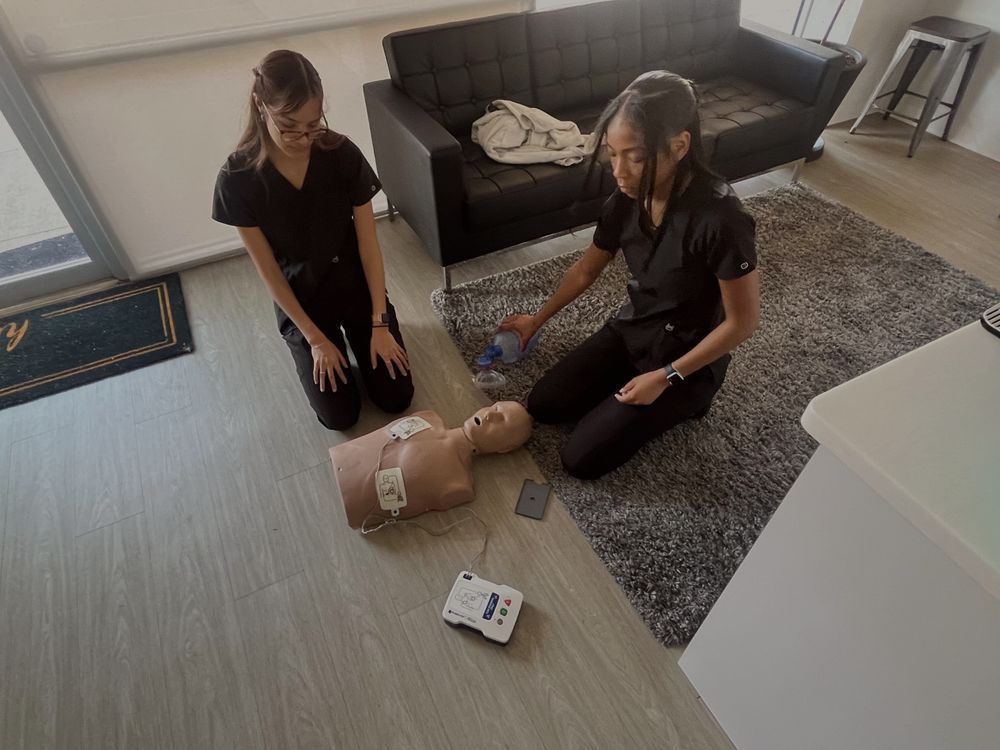
Start Your Medical Assisting Career With Confidence If you’re ready to step into a career with a strong future, Pulse Medical Assistant School provides the hands-on preparation you need. Pulse is an online-first, 16-week medical assistant program with intensive, in-person labs that give aspiring medical assistants the confidence to help real patients receive real care. With flexible online coursework and practical lab experience, Pulse helps students develop the skills employers want—today and in the future.
You're only a few months from the medical assistant career you deserve.